Water Heater Installation Services
The right water heater makes everyday life easier.
Roto-Rooter installs water heaters for homes and businesses. We can help you choose a system that fits your space and hot water needs, then explain what the installation will involve.
If you’re adding a bathroom, moving the unit, or switching from a tank to a tankless model, we can check the space, power or gas supply, and any venting the new system needs. Before installation, we’ll walk you through the plan so you know what to expect on the day of your appointment.

What Your Water Heater Installation Requires
See what we check before installing each type of water heater.

Gas Water Heaters
We check whether your gas supply and venting can support the tank model you’re considering.

Electric Water Heaters
We check the electrical supply, tank capacity, and clearance at the installation site.

Tankless Water Heater
We size the unit for the fixtures you use together and check whether existing connections need changes.
Heat Pump Water Heaters
We assess the installation space, airflow, electrical supply, and a route for condensate drainage.
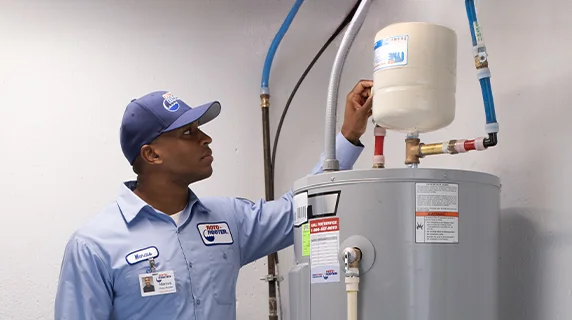

Plan Your Water Heater Installation
Know what fits your property and what to expect before the plumber arrives.
- Choosing Your New Water Heater
Tell us when your household or business uses the most hot water. We can use that information to compare tank capacity or tankless flow and explain which options fit your property.
- Preparing for Installation Day
Clear a path to the installation area. If you’re replacing a unit or changing its location, ask what will happen to the old heater and whether any connections need to be updated.
A New Water Heater Should Fit the Way You Use Hot Water
Not every household needs the same water heater.
A smaller home with one bathroom may have very different hot water needs than a busy household where multiple people shower, run the dishwasher, and do laundry around the same time.
Choosing the right water heater involves more than picking a familiar brand or a larger tank.
Before recommending a system, it's important to consider:
- Your household's hot water demand: How many people use hot water, and how often do several fixtures or appliances run at once?
- The type of system you prefer: Would a traditional storage tank meet your needs, or are you interested in a tankless option?
- Available space: Where will the water heater be installed, and what clearance and ventilation requirements apply?
- Energy source: Does your property currently use gas or electricity for water heating?
- Energy efficiency: How does the unit's efficiency compare with other options, and what might that mean for ongoing energy use?
- Future needs: Are you adding a bathroom, renovating, or anticipating changes in how much hot water your household uses?
Roto-Rooter can help you evaluate these factors so you can choose a water heater that's appropriate for your property rather than relying on guesswork.
Types of Water Heaters We Install
Different systems offer different advantages. The right choice depends on how your home or business uses hot water and what your property can accommodate.
Traditional Tank Water Heaters
Storage tank water heaters heat and hold a supply of water that's ready when you turn on a hot tap.
They're available in gas and electric models and come in different capacities to accommodate different levels of demand.
A traditional tank may be a practical option if you prefer a familiar system or want to use existing connections where suitable.
Proper sizing matters. A tank that's too small may leave you running out of hot water, while an unnecessarily large system may use more energy than your household needs.
Tankless Water Heaters
Tankless water heaters heat water as it flows through the unit instead of keeping a tank of hot water ready throughout the day.
They can be an appealing option for homeowners who want to reduce the space used by a traditional tank or explore a more energy-efficient system.
However, tankless water heaters have flow-rate limits. A unit must be sized to accommodate the number of fixtures that may need hot water simultaneously and the temperature rise required.
Switching from a tank to a tankless system can also involve changes to gas, electrical, or venting connections.
Roto-Rooter can help you understand whether tankless installation makes sense for your property.
Heat Pump and Other High-Efficiency Options
Some properties may also be suitable for a hybrid heat pump water heater, which transfers heat from the surrounding air to help heat the water.
These systems have particular space, temperature, electrical, and installation requirements, so they aren't appropriate for every property.
If you're interested in a high-efficiency upgrade, ask your local Roto-Rooter about available water heater options and whether your installation area is suitable.
Explore Our Water Heater Services
Water Heater Repair
Find the cause of leaks, poor heating, or other problems with your water heater.
Water Heater Replacement
Replace a failing water heater with a model that meets your hot water needs.
Water Heater Maintenance
Plan routine inspections, flushing, and care for your tank or tankless water heater.
Water Heater Services
Compare water heater types and find the right service for your home or business.
What to Expect During Your Water Heater Installation
Installing a new water heater involves more than connecting a few pipes. Proper sizing, placement, connections, and safety checks all affect how the system performs.
Here's what you can expect when planning a professional installation.
1. Review Your Hot Water Needs
We'll discuss what you need from your water heater, including the size of your property, typical hot water use, and any problems you've experienced with your previous system.
2. Evaluate the Installation Location
Your plumbing professional will assess the intended installation area and relevant requirements, including available connections, space, venting, and other factors that may affect which equipment can be installed.
3. Confirm the Installation Plan
We'll explain the proposed system and the work involved. If an upgrade requires changes to existing infrastructure or additional qualified trades, those requirements can be identified before installation proceeds.
4. Install and Connect the Water Heater
The new unit is positioned and connected according to applicable installation requirements. This includes the necessary water connections and, depending on the model, gas, electrical, and venting components.
5. Check Operation and Explain the System
After installation, the system is checked for proper operation and leaks. You'll also have the opportunity to learn about basic controls, operating considerations, and recommended maintenance.
The goal is to leave you with a properly installed water heater and a clear understanding of how to use and care for it.
Why Professional Water Heater Installation Matters
A water heater needs to do more than produce hot water. It must also operate safely and accommodate the demands placed on it.
Incorrect installation can contribute to leaks, poor performance, inadequate hot water, and safety concerns.
Depending on the type of unit, installation may involve gas connections, electrical components, venting, pressure relief protection, and local permit or code requirements.
Professional installation helps ensure these details are addressed appropriately.
It also gives you an opportunity to ask questions and understand the equipment you're adding to your home before it goes into service.
Why Choose Roto-Rooter for Your Water Heater Installation?
When you're investing in a new water heater, you want confidence that the system is suitable for your needs and installed with care.
Roto-Rooter offers:
- Knowledge of different water heater systems: Help with traditional tank, gas, electric, and tankless water heaters.
- Guidance on choosing the right unit: Consideration of your hot water needs, available space, and existing plumbing.
- Professional installation: Attention to the connections and installation requirements that affect safe operation.
- Clear communication: An explanation of your options and the installation work involved.
- Ongoing water heater support: Access to repair and replacement services if your needs change over time.
Whether you're building, renovating, or adding a new water heater, we're here to help you make an informed decision.
Ask your local Roto-Rooter about financing availability and terms. If you’re choosing a new water heater, check the ENERGY STAR Rebate Finder for offers on eligible models.
Ready for Hot Water That Keeps Up With Your Household?
Whether you're installing your first water heater, adding capacity, or exploring a tankless option, Roto-Rooter can help you understand what your property needs and plan the installation.
Frequently Asked Questions
What size water heater do I need?
The right water heater size depends on how much hot water your household uses, especially during busy periods. Storage tank water heaters are typically sized using capacity and first-hour delivery, while tankless systems are sized according to flow rate and required temperature rise. A plumbing professional can help evaluate these factors.
Can I install a tankless water heater in a home that currently has a tank?
You can often install a tankless water heater in a home that has a tank, but switching may require changes to gas piping, electrical service, venting, or plumbing connections. The installation area and existing infrastructure need to be evaluated first.
How long does water heater installation take?
Water heater installation time depends on the type of water heater, the condition of existing connections, and whether additional work is needed. A straightforward installation is generally less involved than relocating a water heater or converting from a storage tank to a tankless system.
Do I need to purchase a water heater before scheduling installation?
You don't need to buy a water heater before discussing installation with a plumbing professional. That way, you can confirm the appropriate size, type, and installation requirements. Contact your local Roto-Rooter to discuss equipment and installation options.
Does water heater installation require a permit?
A water heater installation may require a permit and inspection, depending on your location and the work involved. Some installations, particularly those involving fuel or venting changes, have additional requirements. Your installer can help identify the applicable local requirements.