Drain Cleaning in Durham, NC
Red Clay and Root Tangles Under the Bull City
Durham sits in North Carolina's Piedmont region, where deep red clay weathered from ancient granite and gneiss defines what happens beneath every property in the city. That clay swells during spring downpours and contracts through summer drought, putting constant stress on underground drain lines. Homes in Old North Durham, Morehead Hill, and Trinity Park carry original clay tile and cast iron pipes from the early 1900s that have absorbed a century of this seasonal push and pull.
Roto-Rooter has provided professional drain cleaning since 1935. Our experienced plumbing technicians use professional-grade equipment to clear blockages and identify the root cause so the same problem does not come back.
Call 919-598-0255 or schedule service online.
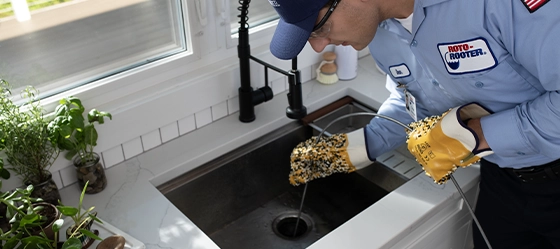
What Durham's Geology Does to Residential Drains
Piedmont red clay and mature hardwood canopies put Durham drain lines under pressure that most other cities never experience. Mineral-rich water from Lake Michie and Little River Reservoir adds another layer of buildup inside pipes already stressed by shifting soil.
- Tree root intrusion: Clay soil cracks and shifts around aging pipe joints, and roots from Durham's mature oaks and sweetgums exploit every gap. Watts Hospital-Hillandale, Forest Hills, and Cleveland Holloway face the heaviest root pressure during growing season.
- Grease and mineral scale: Durham's water supply carries calcium and magnesium that deposit mineral scale inside pipes over time. Combined with cooking grease and soap residue, this scale narrows pipe diameter until flow slows to a crawl.
- Pipe belly and sag: Clay soil movement creates low spots where waste, grease, and sediment pool. Chemical drain cleaners cannot fix a structural sag - only professional clearing and repair restore full flow.
- Offset and separated joints: Seasonal clay expansion pushes pipe sections out of alignment. Each offset joint becomes a trap for debris, hair, and grease that compounds over months.
- Deteriorated pipe material: Cast iron corrodes from the inside out, and clay tile joints crumble after decades of soil stress. Early-1900s plumbing in Morehead Hill and Old North Durham faces the highest risk of partial collapse.
Call 919-598-0255 or book online for a professional assessment.
Durham Neighborhoods Served by Roto-Rooter Drain Cleaning
Our drain cleaning technicians serve all of Durham with fully equipped service vehicles stationed throughout Durham County.
- Old North Durham and Trinity Park: Early 1900s homes with original clay tile drain lines and mature street trees near Duke University.
- Morehead Hill and Cleveland Holloway: Durham's oldest residential districts with aging cast iron and clay tile infrastructure beneath deep root systems.
- Watts Hospital-Hillandale and Forest Hills: 1920s-1930s homes with dense canopy cover and hilly terrain prone to root intrusion and pipe sag.
- Hope Valley and Woodcroft: Established neighborhoods on rolling terrain where clay soil movement puts extra pressure on drain lines.
- South Durham and RTP corridor: Newer subdivisions with PVC drain systems. Common issues include grease buildup and mineral scale.
Drain Emergency Steps for Durham Homeowners
A backed-up drain can escalate quickly during a Piedmont thunderstorm. Taking the right steps before a technician arrives helps minimize water damage.
- Stop using water: Turn off faucets, dishwashers, and washing machines so the backup does not reach additional fixtures and rooms.
- Check other fixtures: If multiple drains back up at the same time, the blockage is likely in the main sewer line rather than a single branch line.
- Locate the cleanout: Most Durham homes have a cleanout access point in the yard near the foundation. Opening it can relieve pressure while you wait for service.
- Call 919-598-0255: Roto-Rooter responds days, evenings, and weekends across Durham County with fully equipped service vehicles.
Serving Durham and surrounding communities, Including:
Counties in the Durham Area
How Piedmont Clay Breaks Down Drain Lines Over Time
Red clay packs tightly when saturated, forming an almost waterproof layer around pipe exteriors. When it dries during summer heat, it shrinks and pulls away, leaving voids that fill with loose soil and root material. This wet-dry cycle repeats annually, and the cumulative effect cracks joints, separates connections, and creates underground voids that cause yard depressions over drain lines.
Homes on rolling terrain around Forest Hills and Hope Valley also contend with gravity-driven soil creep that gradually shifts pipes downhill. Annual preventive drain cleaning catches these problems before they cause a full backup.
Protecting Durham Drains Between Service Visits
- Handle grease correctly: Pour cooled cooking grease into a sealed container and dispose of it in the trash. Even small amounts solidify inside pipes and trap food particles.
- Install drain screens: Mesh screens over shower, tub, and sink drains catch hair and debris before they enter the pipe system.
- Watch trees near sewer lines: If you have mature oaks, sweetgums, or magnolias within 25 feet of your sewer line, schedule annual camera inspections to catch root intrusion early.
- Avoid chemical drain cleaners: Chemical products corrode older clay tile and cast iron pipes common in pre-1960 Durham homes and provide only temporary relief at best.
- Flush with hot water: Run hot water for 30 seconds after using the kitchen sink to push grease residue through the trap.
What to Expect During Drain Cleaning Service
- Diagnosis first: The technician inspects affected drains and determines the most likely cause based on your home's age, pipe material, and Durham's clay soil conditions.
- Camera inspection: A fiber-optic camera reveals the exact location and nature of the blockage inside the pipe.
- Professional cleaning: The technician selects the right tool - cable machine for root masses, hydro jetting for grease and scale, or a combination approach.
- Verification: A second camera pass confirms the blockage is cleared and the pipe is in good condition.
- Upfront pricing: You receive a clear explanation of the work performed and any recommendations for preventing future issues.
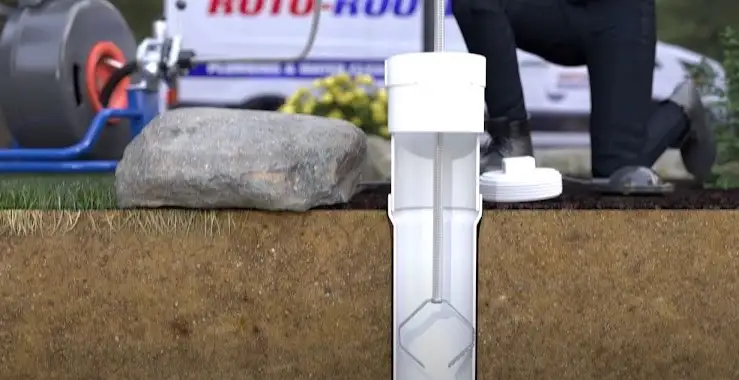
Same-Day Drain Cleaning in Durham
Frequently Asked Questions
Will hydro jetting damage my older pipes?
Roto-Rooter technicians adjust water pressure based on pipe material and condition. For older clay tile or cast iron pipes, lower pressure settings remove buildup safely. A camera inspection before jetting confirms the pipe can handle the process.
How often should Durham homeowners schedule drain cleaning?
Annual drain cleaning is recommended for most Durham homes, especially those with mature trees near sewer lines or pre-1960 homes with original clay tile or cast iron pipes. Properties with recurring clogs benefit from service every six months.
Can Roto-Rooter handle commercial drain cleaning in Durham?
Roto-Rooter provides commercial drain cleaning for restaurants, office buildings, retail spaces, and industrial facilities across Durham County. Our commercial equipment handles lines up to 10 inches in diameter.
Does Durham's water quality affect drain buildup?
Durham's water supply carries calcium and magnesium minerals that deposit scale inside drain pipes over time. This scale narrows pipe diameter and creates rough surfaces where grease and debris accumulate faster.
Do basements in Durham homes have drain problems?
Some Durham homes have basements, though they are less common than in northern states. Basement floor drains can back up when the main sewer line is blocked. If you notice water pooling around a basement floor drain, stop using water and call 919-598-0255.
What causes recurring drain clogs in Durham?
Tree root intrusion is the most common cause. Durham's Piedmont red clay cracks and shifts around drain pipes, and roots grow into those gaps seeking moisture. Grease buildup and pipe deterioration are also frequent contributors. A camera inspection identifies the specific cause.
How long does drain cleaning take?
Most residential drain cleaning jobs take 30 to 90 minutes depending on blockage severity and location. Main sewer line cleanings with camera inspection typically take one to two hours.
How do I know if my drain needs professional cleaning?
Slow drainage in multiple fixtures, gurgling sounds during flushes, or sewage odors near floor drains all indicate a blockage deeper than a plunger can reach. Chemical products damage older pipes common in Durham homes. Call 919-598-0255 for assessment.
SPECIAL FINANCING AVAILABLE
We have partnered with Synchrony Bank to offer financing options to make your plumbing repair expenses as convenient and stress-free as possible.