Sewer Line Repair in Sacramento, CA
Delta Clay, Seasonal Extremes, and Aging Infrastructure Test Sacramento Sewer Lines
Sacramento sits at the confluence of the American and Sacramento Rivers, where clay-heavy alluvial soil dominates the subsurface beneath residential neighborhoods across the metro area. This clay expands significantly when winter rains saturate the ground, then shrinks and cracks during the long, dry summers that routinely push temperatures past 100 degrees. That relentless expansion-contraction cycle shifts buried pipes, cracks rigid joints, and creates low spots where waste pools and blockages form.
The city's mature urban tree canopy adds another layer of pressure. Valley oaks, elms, and sycamores send aggressive root systems toward the moisture inside sewer pipes, entering through every gap in deteriorated joints. Many Sacramento homes still rely on cast iron or clay tile sewer laterals installed during the postwar building boom of the 1940s through 1960s - pipes that have now endured 60 to 80 years of clay soil movement and root assault.
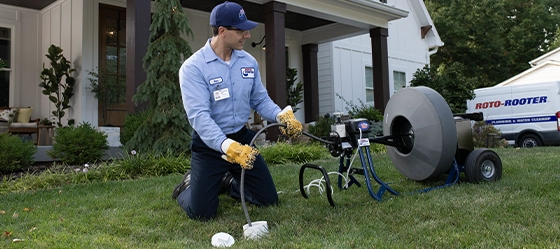
Roto-Rooter provides comprehensive sewer line repair throughout Sacramento, CA. Our experienced plumbing technicians understand the challenges that delta clay, seasonal moisture extremes, and aging pipe materials create for residential and commercial sewer systems across the region.
- Full sewer line inspection, repair, and replacement: Covering all pipe materials found in Sacramento homes
- Trenchless repair options: Preserve landscaping and hardscaping during repair
- Video camera inspection: Pinpoint cracks, root masses, and pipe settlement precisely
- Root removal and preventive treatments: Clear blockages and seal entry points
- Free on-site estimates: Know your options and costs before any work begins
- Available 24/7, 365 days a year: Emergency sewer response when your line fails
Call Roto-Rooter at 916-482-1400 or schedule your sewer line service online.
What Breaks Sewer Lines Across the Sacramento Region
Sewer line failures in Sacramento follow predictable patterns driven by the region's river-deposited soils, extreme seasonal shifts, and construction history.
- Delta clay soil movement: Sacramento's clay soil expands when wet and contracts when dry, and this constant shifting puts immense pressure on underground sewer lines. The cycle leads to cracks, misaligned joints, and bellied pipes where waste pools and clogs form. Properties near the American River Parkway and in the Pocket area experience some of the most aggressive soil movement.
- Mature tree root intrusion: Sacramento's urban canopy of valley oaks, elms, and sycamores supports root systems that actively seek the moisture inside sewer pipes. Roots enter through deteriorated joints and grow into dense mats that reduce flow capacity to a trickle.
- Aging cast iron and clay tile pipes: Homes built during Sacramento's postwar expansion typically have cast iron drain stacks and clay tile sewer laterals. Cast iron corrodes internally after decades of exposure to moisture and sewer gases, while clay tile cracks at stressed joints.
- Seasonal thermal stress: Sacramento summers regularly exceed 100 degrees, drying clay soil and shrinking it away from pipe surfaces. Winter rains then re-saturate the ground rapidly, causing sudden expansion. This annual extreme reversal stresses pipe joints more aggressively than gradual seasonal changes in milder climates.
Sacramento Neighborhoods Where Sewer Lines Face the Greatest Stress
Sewer line condition varies across Sacramento based on construction era, proximity to the rivers, and original pipe materials.
- Land Park and Curtis Park: These established neighborhoods contain homes dating to the 1920s and 1930s with some of the oldest residential sewer laterals in the city. Dense tree canopy along the streets and in William Land Park drives persistent root intrusion.
- East Sacramento and Tahoe Park: Homes built during the 1940s and 1950s have cast iron and clay tile laterals that are now 70 to 80 years old. Mature elms and oaks line the residential streets, sending roots into aging pipe connections.
- Pocket-Greenhaven: Low-lying terrain near the Sacramento River means elevated soil moisture and a higher water table. Clay soil in this area retains water longer, amplifying the expansion-contraction cycle that stresses buried pipes.
- Natomas and North Sacramento: Newer development uses modern materials, but properties near the older urban core face aging infrastructure challenges. Reclaimed farmland beneath some Natomas neighborhoods contains organic delta soils that settle unevenly over time.
Serving the entire Sacramento metro area, Including:
Counties in the Sacramento Metro Area
Warning Signs Your Sacramento Sewer Line Needs Attention
Sewer line damage develops gradually as pipes age, roots grow, and delta clay cycles through wet and dry seasons. These early signs can help you avoid a full sewer emergency.
- Multiple slow drains throughout the house: When several fixtures drain slowly at the same time, the blockage is in the main sewer lateral.
- Sewage odors in the yard or near the foundation: A cracked lateral leaks sewage into surrounding clay soil, producing noticeable odors near the ground surface.
- Unusually green or lush patches in the lawn: Sewage leaking underground fertilizes the soil above the damaged pipe section.
- Gurgling sounds during water use: Air trapped in a partially blocked lateral escapes through fixture drains, producing gurgling or bubbling sounds.
- Sewage backups through floor drains: Raw sewage backing up through the lowest drains signals a serious blockage or collapse.
- Standing water or soggy spots after dry weather: Persistent wet areas during Sacramento's dry summer months indicate a pipe leak saturating the soil below.

Same-Day Sewer Line Repair in Sacramento
Call Roto-Rooter for Sewer Line Repair in Sacramento - Available 24/7

SPECIAL FINANCING AVAILABLE
We have partnered with Synchrony Bank to offer financing options to make your plumbing repair expenses as convenient and stress-free as possible.