Water Damage Restoration in Richmond, VA
The James River and Aging Infrastructure Create a Dual Water Damage Threat
Richmond straddles the James River at the fall line where the Piedmont meets the coastal plain, and that geography shapes every aspect of the city's water damage profile. Approximately 5,067 properties currently face flood risk, a number projected to grow by 3.5 percent over the next 30 years. When the James crests at 15 feet - a level reached during recent storm events - residences along Riverside Drive and in Shockoe Bottom face direct flood damage. Low-lying neighborhoods like Manchester sit in the historical floodplain where the river has overflowed repeatedly over the centuries.
Richmond's infrastructure adds a second layer of risk. The city needs significant upgrades to antiquated sewage and water systems, and impervious surfaces from continued urban growth prevent rainwater absorption, directing more volume into drainage systems that were designed for a smaller footprint. Flash flooding events that were once labeled thousand-year occurrences are happening with increasing frequency, striking neighborhoods far from the river where residents have no flood insurance.
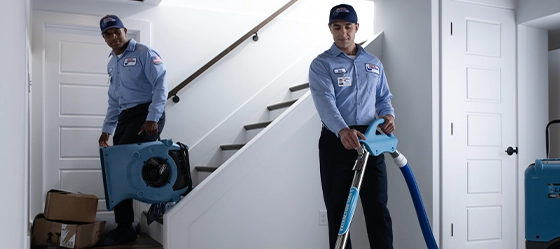
Roto-Rooter provides comprehensive water damage restoration in Richmond, backed by decades of plumbing expertise since 1935. Our experienced plumbing technicians respond promptly with professional-grade extraction, structural drying, and restoration equipment. Call Roto-Rooter at 804-794-7474 or schedule service online for immediate water damage assistance.
Water Damage Situations Richmond Properties Face
Central Virginia's variable climate, river geography, and aging urban infrastructure create multiple water damage pathways.
- James River flooding: The James rises rapidly during sustained heavy rainfall and tropical storm remnants. Properties in Shockoe Bottom, Manchester, and along Riverside Drive face direct riverine flood exposure. At 13 feet, lowland areas begin flooding; at 15 feet, residential damage becomes widespread.
- Flash flooding from intense storms: Richmond experiences flash flooding during severe thunderstorms and tropical moisture events. Impervious urban surfaces direct runoff into drainage systems faster than they can handle, flooding streets and properties in neighborhoods well above the river floodplain.
- Burst or leaking pipes: Richmond's housing stock spans from pre-Civil War to modern construction. Older homes in the Fan, Church Hill, and Museum District contain galvanized supply lines and cast iron drain stacks that corrode over decades, creating elevated risk for sudden failures.
- Crawl space moisture: Many Richmond homes use pier-and-beam construction with crawl spaces. The transition between Piedmont clay and coastal plain soils creates variable groundwater conditions that push moisture into crawl spaces during wet periods.
- Appliance failures: Water heaters, washing machines, and dishwashers are leading sources of residential water damage. Supply hose deterioration and fitting corrosion cause failures without warning.
- Tidal flooding in eastern Richmond: Low-lying eastern neighborhoods near the James River experience tidal influence that elevates water levels during storm events, compounding riverine and rainfall flooding.
Richmond Neighborhoods We Serve
Roto-Rooter provides water damage restoration throughout Richmond, VA. Our technicians respond promptly to emergencies across the city.
- Shockoe Bottom, Manchester, and the Riverfront: Properties in the James River floodplain face the highest riverine flood risk. Historic industrial conversions and residential buildings in these low-lying areas experience repeated water intrusion during major rain events.
- The Fan, Museum District, and Carytown: Dense blocks of row houses and Victorian homes with aging plumbing systems. Original cast iron and galvanized piping creates elevated risk for pipe failures, and shared party walls allow water to migrate between units.
- Church Hill and Chimborazo: Historic neighborhood with homes dating to the 1800s. Original plumbing, limited waterproofing, and steep terrain that channels runoff toward lower properties during storms.
- West End, Short Pump, and Glen Allen: Suburban growth areas with newer construction. Development on previously wooded or agricultural land has altered drainage patterns, and intense storms can overwhelm engineered stormwater systems.
Operated as an Independent Contractor - All available services, hours of operations, pricing structure, and guarantees may vary by location
Serving the entire Richmond metro area, Including:
Counties in the Richmond Area
Financing Options for Water Damage Restoration
Restoration costs can add up quickly after unexpected water damage. Roto-Rooter offers convenient financing through Synchrony Bank to help Richmond homeowners manage expenses without delaying critical repairs. Financing lets you authorize work right away while spreading costs into manageable monthly payments.
Roto-Rooter provides free estimates so you understand costs before work begins. Our team also works with your insurance company to document damage and support your claim. Call 804-794-7474 to discuss restoration needs and financing options.
What to Do When You Discover Water Damage in Your Richmond Home
Acting quickly after discovering water damage limits destruction and reduces costs.
- Stop the water source: If the water is coming from a plumbing failure, shut off the main water supply valve. For appliance leaks, disconnect the unit. For river or flash flooding, focus on safety and evacuate if water levels are rising.
- Protect yourself and your property: Avoid contact with standing water near electrical outlets. Floodwater carries contaminants. Move valuable items to dry upper levels.
- Call Roto-Rooter immediately: Contact Roto-Rooter at 804-794-7474 as soon as the situation is safe. Our technicians respond promptly to begin extraction and prevent mold growth.
- Document the damage: Take photos and videos of all affected areas before cleanup begins. This documentation supports your insurance claim.

Same-Day Water Damage Restoration in Richmond
Trusted Water Damage Restoration Across Richmond

Frequently Asked Questions
How can I tell if I have hidden water damage?
Warning signs include musty odors, wall discoloration, bubbling paint, warped flooring, and unexplained water bill increases. Many Richmond homes have crawl spaces where moisture damage develops unseen. Roto-Rooter technicians use infrared cameras and moisture meters to detect hidden water.
Can water damage in a row house affect my neighbor?
Yes. Richmond's row houses share party walls, and water from a burst pipe or overflow can travel through shared wall cavities and floor structures into adjacent properties. Rapid professional response limits the spread of damage across multiple units.
Are flash floods becoming more common in Richmond?
Yes. Events once classified as thousand-year floods are occurring more frequently. Urban growth has increased impervious surfaces, directing more stormwater into drainage systems faster than they can handle. Neighborhoods that have never flooded before are now experiencing water intrusion during intense storms.
Does Roto-Rooter handle James River flooding damage?
Yes. Roto-Rooter provides emergency water extraction, structural drying, and sanitization for Richmond properties affected by James River flooding. River floodwater carries sediment and contaminants that require professional Category 3 cleanup.
How quickly should water damage be addressed in Richmond?
Water damage should be addressed within hours. Virginia's humid summers create conditions where mold can begin colonizing damp materials within 24 to 48 hours. Rapid extraction and dehumidification reduce secondary damage. Call Roto-Rooter at 804-794-7474 for prompt response.
Will my homeowners insurance cover water damage?
Most Richmond homeowners policies cover sudden and accidental water damage from plumbing failures. Flood damage from the James River or flash flooding typically requires a separate flood insurance policy. Roto-Rooter provides documentation to support your claim.
SPECIAL FINANCING AVAILABLE
We have partnered with Synchrony Bank to offer financing options to make your plumbing repair expenses as convenient and stress-free as possible.