Drain Cleaning in Richmond, VA
Clay Soil and Century-Old Pipes Put Richmond Drains to the Test
Richmond sits on some of Virginia's heaviest clay soil - a dense, slow-draining earth that retains moisture and shifts with seasonal temperature changes. That constant soil movement stresses the cast iron and clay tile drain lines still running beneath neighborhoods like the Fan District, Church Hill, and Jackson Ward, many installed when these homes were built in the late 1800s and early 1900s.
Compounding the challenge, roughly two-thirds of the city's combined sewer system drains through the Shockoe Basin, where stormwater and wastewater share the same pipes. During heavy rain events along the James River corridor, that system pushes to capacity and residential drains feel the pressure first.
Roto-Rooter has provided professional drain cleaning since 1935. Our technicians work with every pipe material found in Richmond homes, from pre-war cast iron stacks to modern PVC installations. 24/7 emergency response available.
Call 804-794-7474 or schedule service online.
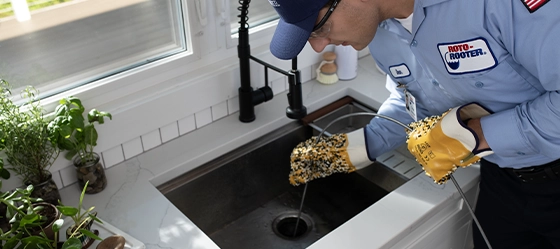
What Clogs Richmond Drains Most Often
Aging infrastructure, heavy clay soil, and a mature urban tree canopy create persistent drain problems across Richmond.
- Tree root intrusion: Mature oaks and maples push roots into aging pipe joints and hairline cracks. The Fan District and Monument Avenue see persistent root damage in clay tile sewer connections.
- Cast iron deterioration: Homes built between 1890 and 1950 in Church Hill, Oregon Hill, and the Museum District have cast iron stacks that corrode internally, narrowing pipe diameter and trapping debris.
- Clay soil pipe shifting: Virginia's clay expands when wet and contracts during dry spells, knocking pipe joints out of alignment and creating bellies where waste collects.
- Combined sewer backup: Richmond's CSO system has 31 outfall points along the James River. During heavy rainfall, volume exceeds capacity and backs into residential lines, particularly near Shockoe Bottom and Gillies Creek.
- Grease and mineral buildup: Grease hardens along pipe walls while mineral scale narrows openings over time. Together they restrict flow until drains barely function.
Call 804-794-7474 or book online for a professional assessment.
Richmond Neighborhoods We Serve
Our drain cleaning technicians respond across Richmond and surrounding communities with fully equipped service vehicles, ready to clear blockages on the first visit.
- The Fan District and Museum District: Late 1800s rowhouses with original cast iron stacks and mature street trees. Shared walls and tight lots make drain access a specialized task.
- Church Hill and Shockoe Bottom: Some of Richmond's oldest homes, dating to the 18th century. Church Hill drains toward Shockoe Bottom, where the combined sewer system concentrates stormwater. Basement backups during heavy rain are a recurring concern.
- Scott's Addition and Jackson Ward: Converted warehouses and early 1900s residences with mixed plumbing. Older sections rely on clay tile connections vulnerable to roots and soil shifting.
- Bon Air and Chesterfield County: Mid-century homes with cast iron stacks approaching or past their expected lifespan. Mature landscaping drives root intrusion into aging joints.
- Short Pump, West End, and Henrico County: Newer PVC systems, though pre-1990s homes along Patterson Avenue and Three Chopt Road have older materials. Clay soil settlement affects line grade throughout.
- Extended coverage: Oregon Hill, Carytown, Lakeside, Glen Allen, Mechanicsville, Midlothian, and surrounding communities.
Drain Emergency in Richmond? Here Is What to Do
A backed-up drain escalates fast, especially during a James River basin storm when the combined sewer system is already strained. These steps minimize damage before a technician arrives.
- Stop using water: Turn off faucets, dishwashers, and washing machines to prevent the backup from spreading.
- Check other fixtures: Multiple drains backing up simultaneously points to a main sewer line blockage. This helps our technicians arrive with the right equipment.
- Locate the cleanout: Most Richmond homes have a cleanout in the basement or near the foundation wall. Opening it can relieve pressure while you wait.
- Call 804-794-7474: Roto-Rooter responds 24/7, 365 days a year across Richmond with equipped service vehicles.
Operated as an Independent Contractor - All available services, hours of operations, pricing structure, and guarantees may vary by location
Serving the entire Richmond metro area, Including:
Counties in the Richmond Area
Basement Drain Protection for Richmond Homes
Basements are common throughout Richmond, Henrico, and Chesterfield counties. Virginia's clay soil retains water around foundations, and hydrostatic pressure forces groundwater toward basement floor drains. When the main sewer line backs up or soil saturates during prolonged rain, basement drains are the first fixtures affected.
Our technicians inspect basement floor drains, sump connections, and cleanout access points as part of every service call. A slow basement drain or odors between rainstorms usually signals a developing main line blockage. Catching it early prevents sewage backup across a finished basement floor.
For homes with recurring basement issues, a backwater valve prevents the city sewer from pushing wastewater back during storm events. Call 804-794-7474 to discuss options.
What to Expect During Drain Cleaning Service
- Diagnosis first: The technician inspects affected drains and evaluates the likely cause based on your home's age, pipe material, and neighborhood conditions.
- Camera inspection: A fiber-optic camera goes into the drain line to reveal the exact location and nature of the blockage. You can watch the live feed on the technician's monitor.
- Professional cleaning: The technician selects the right method - cable machine for root masses and compacted debris, hydro jetting for grease and mineral scale, or a combination for severe blockages.
- Verification: A second camera pass confirms the blockage is fully cleared and the pipe is in good condition. If the inspection reveals damage requiring repair, you receive a written estimate with financing options.
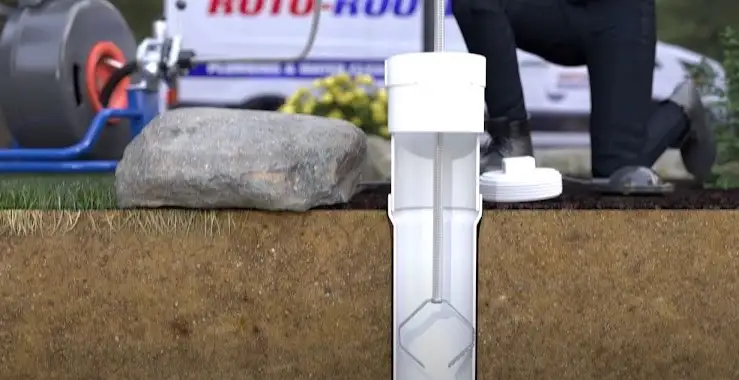
Same-Day Drain Cleaning in Richmond
Frequently Asked Questions
What causes recurring drain clogs in Richmond homes?
Tree root intrusion is the leading cause. Richmond's mature oaks and maples grow roots into cracks in aging pipes, and roots regrow after each cleaning. Cast iron corrosion, clay soil shifting, and grease buildup also contribute. A camera inspection identifies the specific cause so you can address it permanently.
How long does a typical drain cleaning take?
Most residential jobs take 30 to 90 minutes depending on severity and access. Main sewer line cleanings with camera inspection typically run one to two hours.
Does Richmond's combined sewer system affect my home drains?
Yes. Much of Richmond uses a combined system handling wastewater and stormwater through the same pipes. During heavy rain, capacity is exceeded and water pushes back into residential lines. Low-lying areas near the James River, Shockoe Creek, and Gillies Creek are most vulnerable. A backwater valve helps protect against these events.
How often should Richmond homeowners schedule drain cleaning?
Annual cleaning is recommended for most homes, particularly those with mature trees near sewer lines or pre-1950 construction. Properties with recurring clogs or basement drain issues may benefit from service every six months.
Will hydro jetting damage my older pipes?
Technicians adjust pressure based on pipe material and condition. For cast iron or clay tile pipes common in Richmond's historic neighborhoods, lower settings effectively remove buildup without risking damage. A camera inspection before jetting confirms the pipe can handle the process.
Can Roto-Rooter handle commercial drain cleaning in Richmond?
Yes. Our commercial equipment handles lines up to 10 inches in diameter for restaurants, offices, and retail spaces, with scheduled maintenance programs available.
How do I know if my drain needs professional cleaning?
Slow drainage in multiple fixtures, gurgling toilets, or sewage odors from floor drains indicate a blockage deeper than store-bought products can reach. Chemical drain cleaners damage the cast iron and clay tile pipes in most Richmond homes built before 1960. Call 804-794-7474 for a professional assessment.
SPECIAL FINANCING AVAILABLE
We have partnered with Synchrony Bank to offer financing options to make your plumbing repair expenses as convenient and stress-free as possible.