Leak Detection in Raleigh, NC
Red Clay and Rapid Growth - Locating Hidden Leaks Across the Triangle
Raleigh's Piedmont clay soil shifts with seasonal moisture changes, placing constant stress on underground plumbing connections throughout the metro area. The city's rapid growth over the past three decades means properties range from century-old homes in historic neighborhoods with galvanized steel pipes to recent developments using modern PEX supply lines. In every case, hidden water leaks waste treated water, drive up utility bills through the City of Raleigh's tiered rate structure, and create conditions for mold growth and structural damage in the humid Carolina climate.
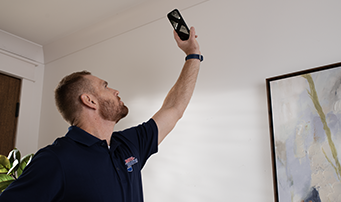
Roto-Rooter's experienced plumbing technicians use professional-grade leak detection equipment to locate hidden leaks without tearing apart walls, floors, or landscaping. Our approach pinpoints the exact source so repairs target the problem directly.
- Available 24/7, 365 days a year: Emergency and scheduled leak detection for residential and commercial properties throughout the Raleigh metro area.
- Non-invasive detection methods: Roto-Rooter is fully licensed and insured with experienced plumbing technicians trained in acoustic, thermal, and pressure-based detection that preserves your home's interior and landscaping.
- Accurate location technology: Identifies slab leaks, underground line leaks, and hidden pipe failures without guesswork or unnecessary demolition.
Call Roto-Rooter at 919-546-8689 or schedule service online to locate and stop leaks fast.
Why Raleigh's Environment Creates Persistent Leak Risks
The Piedmont region's clay-heavy soil, humid subtropical climate, and diverse housing stock create conditions that stress plumbing systems throughout the year.
- Piedmont red clay soil: Raleigh sits on heavy red clay that swells when saturated by spring and summer rains, then contracts during dry periods. This seasonal heaving shifts underground water lines, separates pipe joints, and stresses connections beneath foundations.
- Humid climate and moisture retention: Raleigh averages more than 46 inches of rainfall annually. High humidity and persistent soil moisture accelerate external pipe corrosion and keep tree roots actively growing toward plumbing connections year-round.
- Aging pipe materials: Homes built during Raleigh's pre-boom era before the 1980s often contain galvanized steel supply lines and clay sewer pipes that corrode internally and crack under soil pressure.
- Freeze-thaw cycling: Raleigh winters bring periodic freezes that catch exposed pipes in crawl spaces and exterior walls. The relatively mild climate means many homeowners neglect pipe insulation, increasing vulnerability during unexpected cold snaps.
- Tree root intrusion: Raleigh's mature pine, oak, and maple trees extend root systems that seek moisture in underground pipe joints. Roots penetrate cracks, expand inside pipes, and accelerate joint failure in both supply and drain lines.
Neighborhoods and Areas We Serve Across Raleigh
Roto-Rooter provides leak detection services to residential and commercial properties throughout the Raleigh metro area. Each neighborhood presents distinct challenges based on construction era and soil conditions.
- Historic Oakwood and Mordecai: Homes built during the late 1800s and early 1900s contain the oldest plumbing infrastructure in the city, including galvanized steel, cast iron, and lead service connections that have been in the ground for over a century.
- Five Points and Cameron Park: Mid-century properties built during the 1940s and 1960s feature aging copper and galvanized steel installations under stress from decades of Piedmont clay movement.
- North Raleigh and Brier Creek: Newer development during the 1990s and 2000s uses modern materials, but the red clay soil creates persistent foundation movement that stresses slab connections and underground supply lines.
- Cary and Apex: Rapid suburban growth means properties of varying ages sit side by side, each with different pipe materials and vulnerabilities. Older Cary properties face aging infrastructure concerns while newer homes contend with construction-era settlement.
Serving the entire Raleigh metro area, Including:
Counties in the Raleigh Metro Area
Protecting Your Raleigh Property Year-Round
- Insulate pipes before winter: Pipes in crawl spaces and along exterior walls need insulation before Raleigh's first freeze. Many Raleigh homeowners underestimate freeze risk in the mild climate.
- Monitor your water bill: The City of Raleigh provides online usage tracking. A sudden increase with no change in habits indicates a likely hidden leak.
- Manage tree roots proactively: Raleigh's mature trees send roots toward plumbing connections. Regular video inspection catches root intrusion before it causes pipe failure.
- Schedule annual leak inspections: A professional detection survey catches developing problems before they cause structural damage or water waste.
Same-Day Leak Detection in Raleigh
Call Roto-Rooter for Leak Detection in Raleigh - Available 24/7
Frequently Asked Questions
How long does a professional leak detection inspection take?
Most residential inspections take one to two hours depending on property size and plumbing complexity. Slab leak detection may require additional time for acoustic mapping and pressure testing. Our technicians arrive with all necessary equipment on every service call.
Are tree roots a plumbing concern in Raleigh?
Yes. Raleigh's mature pines, oaks, and maples have extensive root systems that grow toward moisture in underground pipe joints. Roots penetrate small cracks and expand inside pipes, creating blockages and leaks. Regular video inspection catches intrusion early.
Does Roto-Rooter provide leak detection for commercial properties in Raleigh?
Yes. Roto-Rooter provides leak detection for commercial buildings, office parks, restaurants, and industrial facilities throughout the Raleigh-Durham metro area. Our commercial detection teams handle the larger and more complex plumbing systems found in commercial properties.
What causes slab leaks in Raleigh homes?
Raleigh's Piedmont red clay swells during wet periods and contracts when dry. This movement shifts foundations and stresses supply lines running beneath them. Copper pipe corrosion and aging joints compound the problem, creating pinhole leaks beneath the slab.
How does Raleigh's red clay soil affect my plumbing?
Piedmont red clay expands significantly when wet and shrinks when dry. This seasonal movement shifts underground pipes, separates joints, and creates stress points where leaks develop. Properties on clay soil require more frequent plumbing inspections than those on stable ground.
How do I know if I have a hidden water leak in my Raleigh home?
Common signs include unexplained increases in your water bill, the sound of running water when all fixtures are off, warm or damp spots on floors, musty odors, and new cracks in walls or foundation. Check your water meter with all water turned off - if the dial continues to move, call Roto-Rooter at 919-546-8689 for professional leak detection.
SPECIAL FINANCING AVAILABLE
We have partnered with Synchrony Bank to offer financing options to make your plumbing repair expenses as convenient and stress-free as possible.