Commercial Backflow Inspection
Roto-Rooter can help you arrange commercial backflow inspection and discuss the condition of the equipment protecting your property's drinking water connection. Contact your local team to confirm available services and explain any deadline or concern.
An inspection looks at the assembly and its installation. A separate performance test checks how its internal components operate. Understanding both helps you schedule the right service without assuming a device is working just because it looks intact.
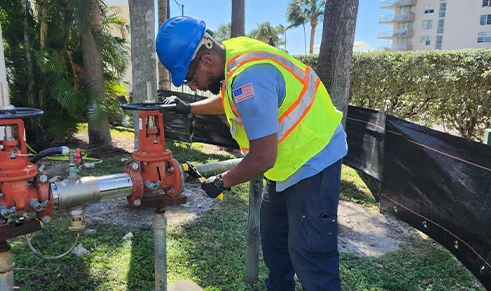
What a Backflow Inspection Can Identify
A backflow inspection provides an opportunity to review visible condition and identify issues that need closer attention with your backflow assembly and system.
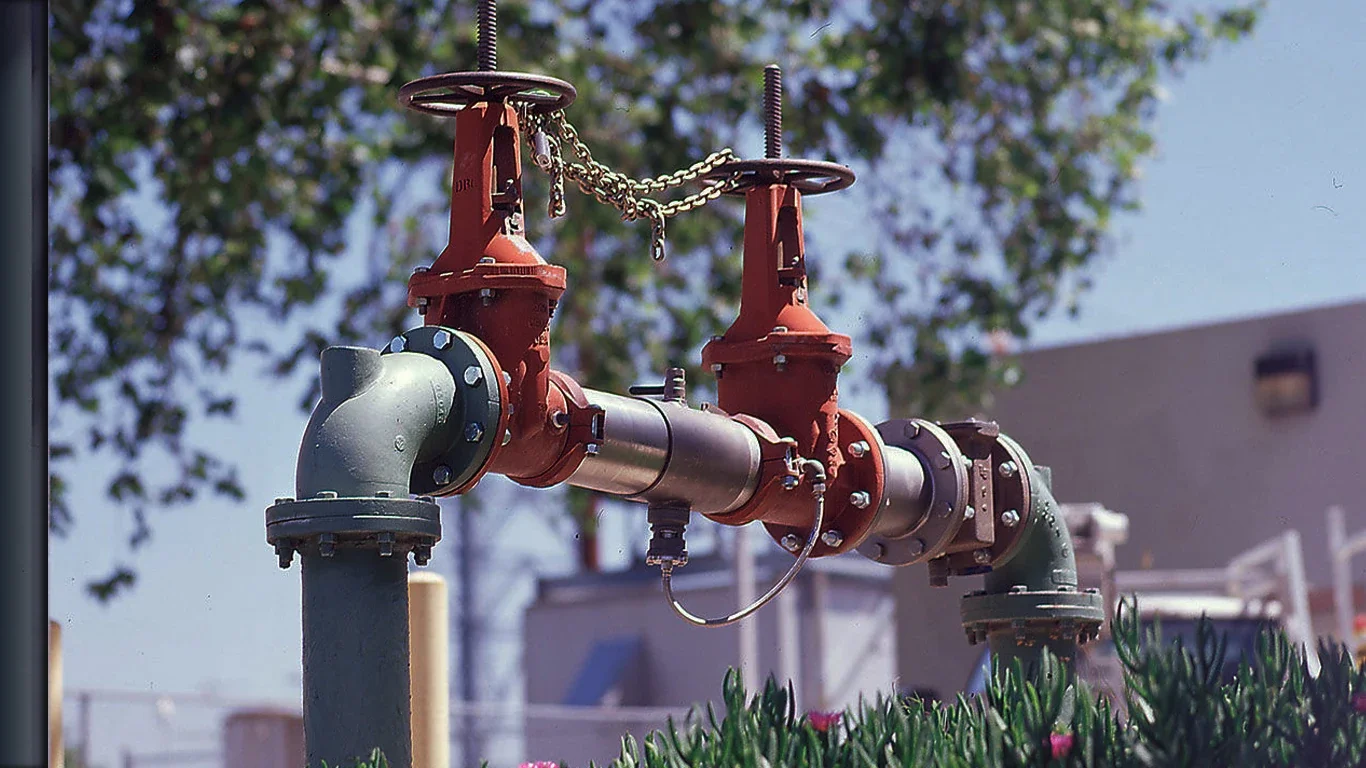
Discuss the assembly's location, any visible leaks or damage, access to shutoff valves and test connections, and changes to nearby piping or equipment. For a reduced pressure zone (RPZ) assembly, the review should also consider the relief valve discharge area and drainage. Discharge needs a safe route; a blocked relief opening is not a solution to a leaking device.
Bring up recent construction, new equipment or a change in how a tenant uses the space. These details can help determine if further review of the connection and its backflow protection is needed. An inspection of one assembly does not establish the condition of every water connection in the building.
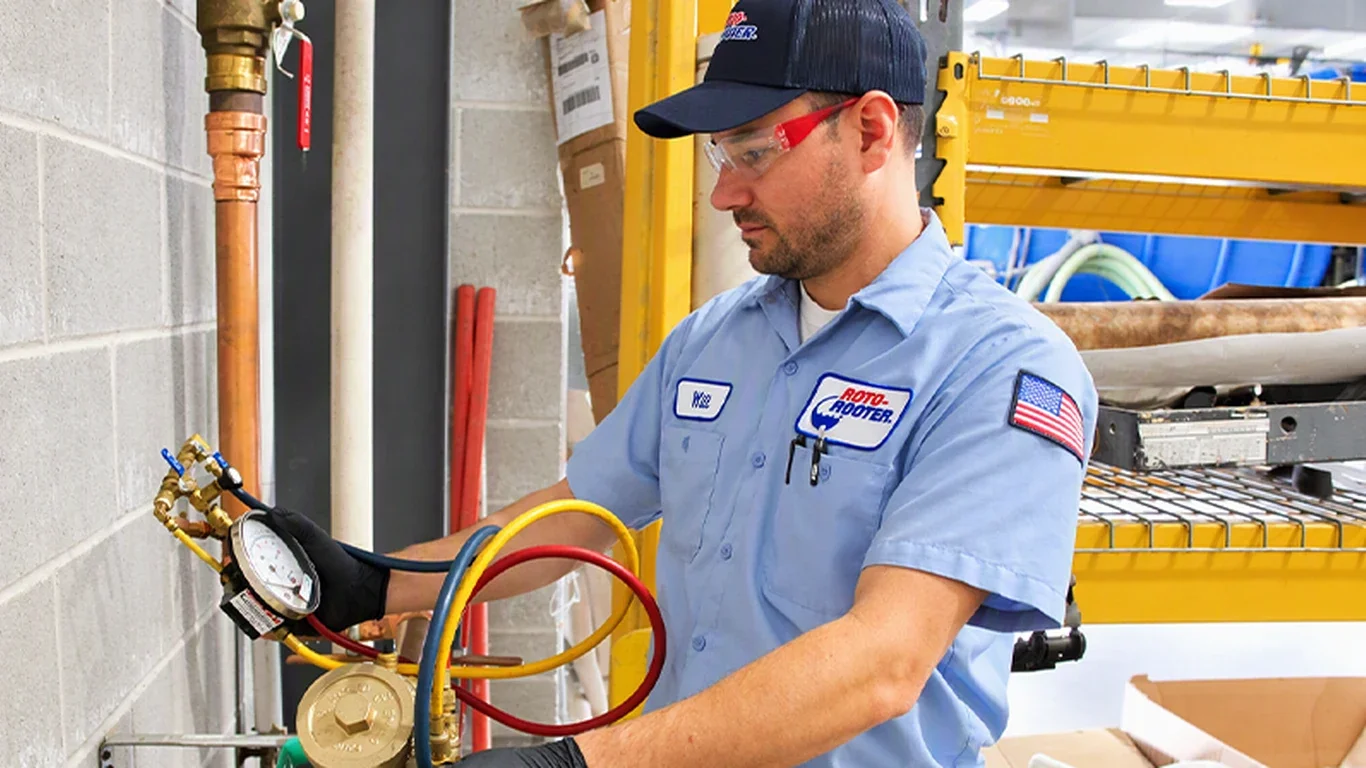
Inspection and Testing Serve Different Purposes
Plan the Next Step for Your Property
Commercial Backflow Inspection Questions
Is a backflow inspection the same as a backflow test?
No. A backflow inspection reviews the assembly's visible condition and installation. A performance test uses test equipment to evaluate the operation of a testable assembly. If your water provider requires a test report, a visual inspection alone does not satisfy that request.
When should I arrange a commercial backflow inspection?
Arrange a review if you notice leakage or damage, receive a notice from your water provider, or change equipment or plumbing connected to the water supply. Follow the inspection and testing schedule set by your local authority and the assembly manufacturer.
What information should I provide when booking a backflow inspection?
Share the property address, any water-provider notice, previous test records and the assembly's make and model if available. Explain visible problems, access restrictions and operating-hour needs. Confirm local service availability and any testing or documentation requirements when scheduling.