Drain Cleaning in Plano, TX
Hard Water, Cast Iron, and 50 Years of Buildup Under Plano's Slab Foundations
Plano's residential plumbing faces a unique double threat. The North Texas Municipal Water District delivers some of the hardest water in the state at 17.2 grains per gallon - nearly double the national average - and those dissolved minerals coat pipe walls with calcium and magnesium scale year after year. Beneath the slab foundations of homes built during Plano's massive growth period in the 1970s and 1980s, cast iron drain lines have absorbed decades of that mineral-heavy water while the surrounding Blackland Prairie clay shifts and presses against them through every wet-dry cycle. The result is pipes that narrow from the inside while cracking from the outside.
Roto-Rooter has provided professional drain cleaning since 1935. Our experienced plumbing technicians use professional-grade equipment to clear blockages and identify the root cause so the same problem does not return next month. We serve Plano and Collin County during days, evenings, and weekends.
Call 972-890-0695 or schedule service online.
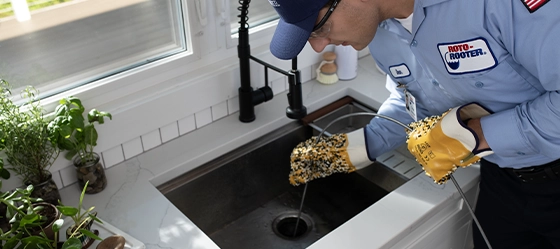
What Builds Up Inside Plano's Aging Drain Lines
The combination of very hard water, expansive clay soil, and cast iron pipes installed during the 1970s-1980s building boom makes Plano drains especially prone to blockages that worsen over time. With total dissolved solids measuring 504 parts per million - well above the EPA's recommended 300 ppm - mineral deposits accumulate faster in Plano than in most North Texas cities.
- Hard water mineral scale: Water sourced from Lavon Lake and Lake Texoma through the NTMWD system carries elevated calcium and magnesium. These minerals deposit inside drain pipes year after year, narrowing the interior diameter and creating rough surfaces where grease and debris catch easily.
- Tree root intrusion: Mature oaks and pecans throughout established Plano neighborhoods push roots into cracks and joint separations in aging drain pipes. Roots seek the moisture inside sewer lines and grow dense blockages that worsen each season.
- Cast iron pipe corrosion: Thousands of Plano homes built between 1970 and 1988 have original cast iron drain lines beneath slab foundations. After five decades, these pipes corrode from the inside out, developing rough surfaces that trap grease and creating weak spots where collapses begin.
- Clay soil pipe displacement: Plano's Blackland Prairie clay swells during spring rains and contracts through dry summer months. That seasonal movement shifts pipe sections out of alignment, creates low spots where waste collects, and opens joint gaps where roots enter.
- Grease and soap accumulation: Cooking grease, soap residue, and food particles layer onto pipe walls already roughened by mineral deposits and corrosion, gradually restricting flow until drains stop working entirely.
Call 972-890-0695 or book online for a professional assessment.
Serving Plano and surrounding communities, Including:
Counties in the Plano Area
Plano Neighborhoods Our Technicians Know Well
Our drain cleaning technicians respond across Plano and Collin County with fully equipped service vehicles.
- Pitman Creek Estates and Park Forest: These established neighborhoods hold homes built during the 1970s and 1980s on quarter-acre lots with mature tree canopies. Original cast iron drain lines under slab foundations are reaching the end of their expected service life, making root intrusion and pipe corrosion the primary drain concerns here.
- Willow Bend and Deerfield: West Plano's larger-lot neighborhoods feature homes surrounded by mature landscaping. Tree roots and clay soil movement drive most drain calls in this area, particularly along the older sections closer to Preston Road.
- Kings Ridge and East Plano: A mix of construction eras creates varied plumbing conditions. Older sections near downtown Plano have pre-1980 pipe materials, while newer development further east uses PVC that resists mineral buildup but remains vulnerable to clay soil displacement.
- Legacy and surrounding areas: Newer commercial and residential development in north Plano generally has modern PVC drain lines, but hard water mineral scale still accumulates over time in these pipes, and heavy landscape irrigation saturates clay soil around sewer connections.
Steps to Take When a Plano Drain Backs Up
A backed-up drain can escalate quickly, especially during a North Texas thunderstorm when storm runoff saturates clay soil and pressures sewer lines. Taking the right steps before a technician arrives helps minimize water damage.
- Stop using water: Turn off faucets, dishwashers, and washing machines to prevent the backup from spreading further into your home.
- Check other fixtures: If multiple drains back up simultaneously, the blockage is likely in the main sewer line rather than a single branch line. This helps our technicians arrive with the right equipment.
- Locate the cleanout: Most Plano homes have a cleanout access point in the yard, usually a white PVC or cast iron cap near the foundation. Opening it can relieve pressure while you wait for service.
- Call 972-890-0695: Roto-Rooter responds during days, evenings, and weekends across Plano and Collin County with fully equipped service vehicles ready to clear the blockage on the first visit.
What Happens During Your Drain Cleaning Appointment
- Diagnosis first: The technician inspects the affected drains and determines the most likely cause based on your home's age, pipe material, and local soil conditions.
- Camera inspection: A fiber-optic camera goes into the drain line to show the exact location and nature of the blockage. You can watch the live feed on the monitor.
- Professional cleaning: Based on the diagnosis, the technician selects the right tool - cable machine for root masses, hydro jetting for mineral scale and grease, or a combination approach for stubborn blockages.
- Verification: A second camera pass confirms the blockage is fully cleared and the pipe is in good condition.
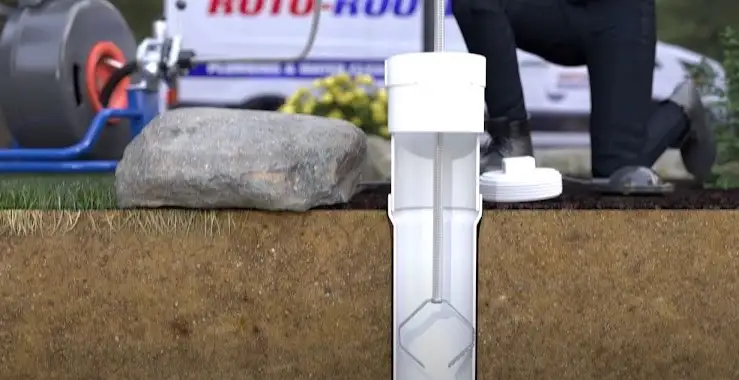
Same-Day Drain Cleaning in Plano
SPECIAL FINANCING AVAILABLE
We have partnered with Synchrony Bank to offer financing options to make your plumbing repair expenses as convenient and stress-free as possible.