Expert Phoenix Slab Leak Detection: Pinpointing Underground Leaks Without the Guesswork
Signs You Have a Hidden Leak in Phoenix
- Unexplained Water Bill Increases - Active Supply Line Leak: Phoenix water rates are among the highest in the Southwest. Hard water mineral scale creates weak points inside supply lines that develop pinhole leaks - invisible at the fixture but significant on your monthly bill.
- Damp Walls, Ceilings, or Soft Flooring - Leak Inside Building Structure: Surface staining and soft spots are evidence of a leak that has been saturating surrounding building materials for some time. In central Phoenix, Tempe, and South Scottsdale's older ranch homes, original copper and galvanized lines have been under hard water attack for decades.
- Mold or Mildew Odors Without Visible Source - Leak Inside Wall Cavity: In Phoenix's dry climate, mold odor near a dry-looking wall almost always signals a hidden leak. Summer heat means wet building materials develop significant mold growth within 48 hours - the smell arrives long before any visible sign.
- Low Water Pressure Throughout the Property - Supply Line Failure: Reduced pressure across multiple fixtures simultaneously points to a leak in the main supply line. In Phoenix properties with original galvanized steel lines, internal corrosion narrows the pipe while creating the weak points where leaks develop.
- Warm Spots on Slab Flooring - Slab Leak: A section of tile noticeably warmer than surrounding areas is one of the most reliable slab leak indicators in Phoenix. Hard water accelerates the copper pipe corrosion beneath concrete foundations, and caliche soil movement stresses supply line joints over decades.
- Meter Movement With All Fixtures Off - Leak Confirmed: Turn off every fixture and watch the meter. If it moves, water is flowing somewhere it shouldn't. Professional detection then locates the source without opening walls or breaking concrete unnecessarily.
- Foundation Cracks or Shifting - Long-Term Underground Leak: Doors that won't align, visible foundation cracks, or sloping floors are late-stage signs of a leak saturating soil beneath the structure. In Phoenix's caliche-heavy soil this causes uneven foundation movement that becomes a structural problem if left unaddressed.

Why Leak Detection Is Critical for Phoenix Properties
- Mold Risk in Desert Heat: Phoenix summer temperatures mean a slow leak inside a wall cavity can produce significant mold growth within days - turning a pipe repair into a costly remediation project affecting the health of everyone inside the building.
- Structural Integrity: Water beneath a Phoenix foundation softens the caliche hardpan layer unevenly, causing the foundation to crack and shift in ways that are expensive and sometimes irreversible. A slab leak found early is a pipe repair. Found late, it's a structural engineering problem.
- Water Waste in a Drought-Stressed State: Arizona is among the most water-stressed states in the country. A single pinhole leak wasting thousands of gallons per month isn't just a billing issue - in a desert city managing long-term water scarcity, it's a resource the Valley cannot afford to lose underground.
- Escalating Repair Costs: Every week a hidden leak runs, the scope of the repair grows. Saturated drywall becomes mold-colonized drywall. A compromised joint becomes a failed pipe. Softened soil becomes a structural repair. Early detection is almost always the least expensive decision a Phoenix property owner can make.
Don't wait for a hidden leak to become a structural repair, a mold problem, or a water bill you can't explain. Call Roto-Rooter at 623-915-0995 or book online now.
Serving the entire Phoenix metro area, Including:
Counties in the Phoenix Area
Free Estimates & Financing for Leak Detection in Phoenix AZ
Leak detection itself is straightforward - it's what follows that can arrive as a significant unplanned cost. A slab access repair in a central Phoenix ranch home, an excavation along an underground supply line in a Scottsdale property, or a wall opening in an older Tempe residence all represent real expenses that land without much warning. Roto-Rooter offers free estimates and flexible financing so Phoenix homeowners and property operators can address the problem immediately rather than letting a confirmed leak continue damaging the property while waiting for a more convenient financial moment. Ask about payment plans when you call.
Why Roto-Rooter Is Phoenix's Local Leak Detection Company
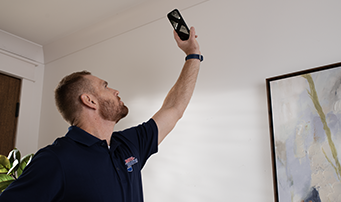
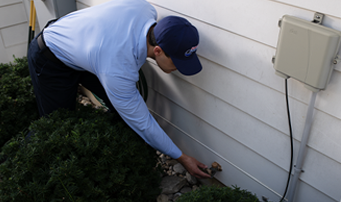
- We Find It Before We Fix It: Acoustic listening, thermal imaging, pressure testing, and camera inspection before any repair is recommended. We locate the source precisely - no unnecessary demolition, no guesswork.
- We Know What Phoenix Does to Pipes: Hard water corrosion, caliche soil movement, extreme heat stressing fittings, monsoon moisture accelerating hidden damage - our Phoenix technicians work in these conditions every day across the Valley.
- Expert Plumbers Who Detect and Repair: Roto-Rooter plumbing technicians are all thoroughly trained and experienced in detecting and repairing hidden leaks. When we find the leak, the same plumber fixes it - no handoff, no delays.
- 24/7 With No After-Hours Surcharge: Around the clock, every day of the year, across the entire Phoenix metro - no premium charge for evenings, weekends, or holidays.
Property Types We Service Across the Valley
- Mid-Century Ranch Homes in Central Phoenix and Tempe: Original copper and galvanized supply lines subject to decades of hard water corrosion and caliche soil movement make these properties the Valley's highest slab leak risk. Our technicians have diagnosed and repaired them extensively across central Phoenix, Tempe, and South Scottsdale.
- Arcadia, Biltmore, and Willo Historic District: Older pipe materials, mature irrigation systems, and high-value interiors make precise non-invasive detection essential. We find leaks without unnecessary damage to the historic character and established landscaping these neighborhoods are known for.
- Newer Construction in Chandler, Gilbert, and Queen Creek: Slab leaks in newer builds typically develop at fitting joints under the thermal stress of Phoenix's extreme temperature swings. Modern materials don't eliminate leak risk in the Valley's demanding environment.
- Scottsdale and Paradise Valley Luxury Residential: Complex plumbing, extensive irrigation, and pool systems in high-value properties require precise, minimally invasive detection. Our technicians work in these environments with the care they demand.
- Commercial and Multi-Family Properties: Shared plumbing systems in Phoenix's commercial buildings and multi-family properties allow leaks to go undetected for extended periods. We work with property managers and HOA boards across the Valley to find and resolve hidden leaks before they produce the mold conditions and structural damage that follow.
Same-Day Leak Detection in Phoenix
Available 24 Hours for Leak Detection Across Phoenix AZ and the Valley
Frequently Asked Questions
How do I know if I have a slab leak in my Phoenix home?
The most reliable early indicator in a Phoenix home is a section of tile or slab flooring that's noticeably warmer than the surrounding area — hot water line leaks beneath concrete are a consistent Valley reality. Beyond that: a water meter that continues moving after every fixture is closed, bill increases that don't correspond to any change in usage, and the sound of running water in a house where nothing is on. Foundation cracks and doors that won't align are later-stage signs — by that point the leak has been feeding moisture into caliche soil long enough to cause structural movement. Acoustic detection and thermal imaging confirm the source location without breaking concrete speculatively.
What makes slab leaks so common in Phoenix?
Two Valley-specific factors — hard water attacking copper pipe through electrochemical corrosion, and caliche soil shifting beneath concrete foundations with seasonal moisture and temperature changes. The combination makes slab leaks a consistent reality in the Valley's older residential neighborhoods.
SPECIAL FINANCING AVAILABLE
We have partnered with Synchrony Bank to offer financing options to make your plumbing repair expenses as convenient and stress-free as possible.