Drain Cleaning in McKinney, TX
North Texas Clay Keeps McKinney Drains Under Constant Pressure
McKinney sits on expansive clay soil that swells when wet and shrinks during dry spells, creating a cycle of movement that cracks, shifts, and separates underground drain pipes. Older neighborhoods near downtown McKinney have cast iron and clay sewer pipes that have absorbed decades of this soil stress, while newer developments in Stonebridge Ranch and Craig Ranch deal with Orangeburg and early PVC connections affected by the same relentless clay movement.
Collin County's hard water compounds the problem. Calcium and magnesium deposits accumulate inside pipes, narrowing the opening and creating rough surfaces where grease and debris collect. Combined with root intrusion from McKinney's pecan trees, live oaks, and crepe myrtles, these conditions overwhelm store-bought drain products.
Roto-Rooter has provided professional drain cleaning since 1935. Our experienced plumbing technicians clear blockages in cast iron, clay tile, and modern PVC systems across McKinney.
Call 972-439-9981 or schedule service online.
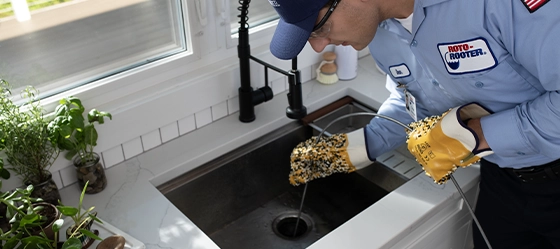
Drain Problems Driven by Collin County's Expansive Clay
McKinney's rapid growth over the past two decades means the city has homes ranging from 1890s-era structures near downtown to brand-new construction on the northern edge. All of them share the same challenge: North Texas clay soil that never stops moving.
- Clay soil pipe displacement: McKinney's expansive clay shifts dramatically with moisture changes, knocking pipe joints out of alignment and creating bellies where waste accumulates. Slab foundations amplify the effect as the foundation itself moves with the soil.
- Tree root intrusion: Mature pecan trees, live oaks, and elms across Historic McKinney and Eldorado Parkway corridors push roots into cracks and joints in aging sewer lines, with root masses capable of completely blocking a main line.
- Hard water mineral scale: Collin County's hard water deposits calcium and magnesium inside pipes, fixtures, and water heaters. Combined with cooking grease, these deposits form stubborn blockages that chemical cleaners cannot dissolve.
- Cast iron deterioration: Homes built before 1975 near downtown and in older subdivisions have cast iron drain stacks that corrode from the inside, narrowing pipe diameter and trapping debris with every flush.
- Slab leak-related drain issues: Clay soil movement beneath slab foundations can crack drain pipes running through or under the slab, creating leaks that undermine the foundation while restricting drainage.
Call 972-439-9981 or book online for a professional assessment.
McKinney Neighborhoods Served by Roto-Rooter
Our drain cleaning technicians respond across McKinney and surrounding Collin County communities with fully equipped service vehicles.
- Historic McKinney and Chestnut Square: Homes dating to the late 1800s and early 1900s with original clay tile and cast iron drain systems. Tree root intrusion and pipe deterioration are the primary concerns in these established neighborhoods.
- Stonebridge Ranch and Craig Ranch: Master-planned communities with homes from the 1990s through 2010s. Expansive clay soil has already displaced pipe joints in early-phase construction, and mature landscaping increases root intrusion risk.
- Eldorado Parkway corridor: Mixed-era homes along one of McKinney's primary growth corridors. Hard water scale and grease buildup drive most drain calls in this rapidly developing area.
- Tucker Hill and Adriatica: Newer planned communities where clay soil movement and construction-era debris in drain lines create unexpected blockages.
- Extended coverage: Allen, Prosper, Melissa, Anna, Princeton, and surrounding Collin County communities.
What to Do When You Have a Drain Emergency in McKinney
A backed-up drain can cause significant damage quickly, especially in McKinney's slab-on-grade construction where water has nowhere to go but across your floors. These steps help minimize damage before a technician arrives.
- Stop using water: Turn off faucets, dishwashers, and washing machines to prevent the backup from spreading.
- Check other fixtures: If multiple drains back up simultaneously, the blockage is likely in the main sewer line. This helps our technicians arrive with the right equipment.
- Locate the cleanout: Most McKinney homes have a cleanout in the front or side yard near the foundation. Opening it can relieve pressure while you wait for service.
- Call 972-439-9981: Roto-Rooter responds 24/7, 365 days a year across McKinney with equipped service vehicles ready to clear the blockage on the first visit.
Serving McKinney and surrounding communities, Including:
Counties in the McKinney Area
Financing Options for McKinney Drain Cleaning
Roto-Rooter offers financing for qualifying drain cleaning and sewer services in McKinney. When a cleaning reveals pipe deterioration or root damage requiring repair, financing helps cover the cost without delay. Ask your technician about available plans, or call 972-439-9981 for details.
What to Expect During Drain Cleaning Service
- Diagnosis first: The technician inspects affected drains and determines the likely cause based on your home's age, pipe material, and soil conditions.
- Camera inspection: A fiber-optic camera goes into the drain line to show the exact location and nature of the blockage. You can watch the live feed.
- Professional cleaning: The technician selects the right tool - cable machine for root masses, hydro jetting for mineral scale and grease, or a combination for severe blockages.
- Verification: A second camera pass confirms the blockage is fully cleared. If damage requiring repair is found, you receive a written estimate with financing options.
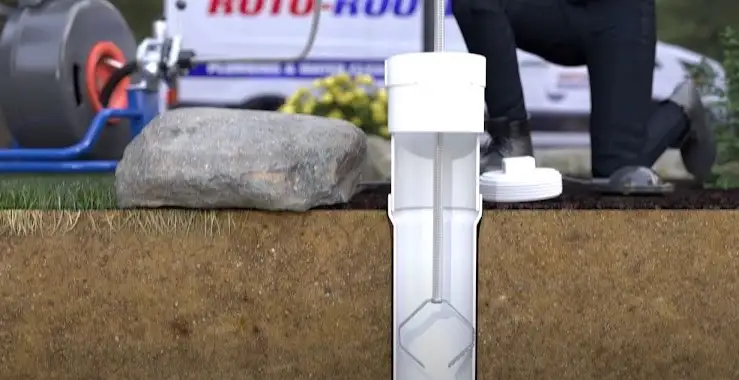
Same-Day Drain Cleaning in McKinney
Reliable Drain Cleaning Across Collin County

Frequently Asked Questions
How often should McKinney homeowners schedule drain cleaning?
Annual cleaning is recommended for homes with mature trees near sewer lines or pre-1975 homes with original pipe materials. Properties on heavily expansive clay may benefit from cleaning every six months to catch displacement issues early.
How does McKinney's clay soil affect my drains?
North Texas clay expands when wet and contracts when dry, creating constant soil movement that shifts pipe joints out of alignment. These offset joints trap debris and create low spots where waste collects. Even homes built on modern PVC systems experience this displacement over time.
Does Roto-Rooter clean commercial drains in McKinney?
Roto-Rooter provides commercial drain cleaning for restaurants, office buildings, and retail spaces across McKinney. Our commercial equipment handles lines up to 10 inches in diameter with scheduled maintenance programs available.
Will hydro jetting damage my pipes?
Roto-Rooter technicians adjust water pressure based on pipe material and condition. For older cast iron or clay tile pipes, lower pressure settings effectively remove buildup without damage. A camera inspection before jetting confirms the pipe can handle the process.
Can chemical drain cleaners handle my clog?
Chemical cleaners rarely resolve the underlying issue in McKinney homes. They cannot cut roots, cannot remove mineral scale from hard water, and can corrode older cast iron and clay tile pipes. Professional mechanical and hydro jetting methods address the actual cause.
How long does drain cleaning take?
Most residential drain cleaning jobs take 30 to 90 minutes. Main sewer line cleanings with camera inspection typically take one to two hours. Clay soil conditions occasionally require additional diagnostic time.
What causes recurring drain clogs in McKinney?
Tree root intrusion and clay soil displacement are the leading causes. Roots regrow after each cleaning and displaced joints continue to trap debris. A camera inspection identifies the root cause so you can address it permanently.
SPECIAL FINANCING AVAILABLE
We have partnered with Synchrony Bank to offer financing options to make your plumbing repair expenses as convenient and stress-free as possible.