Drain Cleaning in Frisco, TX
Rapid Growth, New Pipes, and the Clay That Tests Them Both
Frisco held just 6,100 residents in 1990. Today, the city ranks among the largest in the Metroplex, with tens of thousands of homes built within a 25-year window - nearly all on slab foundations over Blackland Prairie clay. This highly expansive clay swells 8 to 12 percent when saturated and contracts several inches during dry Texas summers. The repeated movement shifts soil around buried drain lines, displaces pipe joints, and creates the low spots and cracks where blockages take hold. Even homes built in the 2000s with modern PVC face this pressure - Frisco's clay stresses connections and creates root entry points within a single decade.
Roto-Rooter has provided professional drain cleaning since 1935. Our experienced plumbing technicians use professional-grade equipment to clear blockages and identify the root cause. We serve Frisco and Collin County during days, evenings, and weekends.
Call 972-324-3454 or schedule service online.
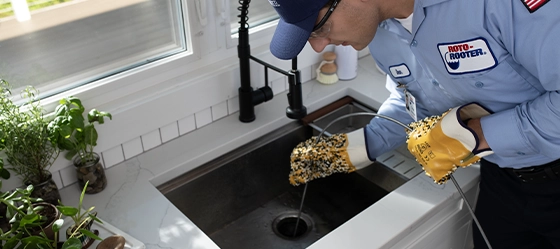
Why Frisco Drains Clog Differently Than Older Metroplex Cities
Frisco's plumbing is predominantly PVC and CPVC installed during the building boom of the 1990s through 2010s. PVC resists corrosion, but the combination of moderately hard water, aggressive clay soil, and heavy landscape irrigation creates its own pattern of drain failure.
- Clay soil pipe displacement: Blackland Prairie clay beneath Frisco swells during spring thunderstorms and pulls back through summer drought. That seasonal cycle displaces pipe sections, creates bellied low spots where waste collects, and separates joints enough for roots and soil to enter.
- Hard water mineral scale: The North Texas Municipal Water District delivers water at 130 to 170 parts per million hardness. Calcium and magnesium deposit inside drain pipes over time, narrowing the interior and creating rough surfaces where grease and debris catch.
- Tree root intrusion: Red oaks, bur oaks, live oaks, and pecans planted across Frisco subdivisions during the building boom now have root systems extending 20 to 30 feet outward. Those roots follow moisture toward sewer lines and push into displaced joints and hairline cracks.
- Construction sediment: Homes built during the fastest growth years sometimes have residual sediment in drain lines that was never fully flushed. This material collects in low spots and anchors future blockages.
- Grease and soap accumulation: Cooking grease, soap residue, and food particles layer onto pipe walls roughened by mineral deposits, gradually restricting flow until drains stop entirely.
- Irrigation-driven soil saturation: Heavy lawn irrigation across Frisco neighborhoods saturates clay around sewer connections unevenly, creating differential pressure that bows and displaces pipe sections.
Call 972-324-3454 or book online for a professional assessment.
Frisco Neighborhoods and the Drain Issues That Follow Them
Our technicians respond across Frisco and Collin County with fully equipped service vehicles.
- Stonebriar and Old Frisco: Properties around Stonebriar and closer to downtown represent the earliest development of the mid-to-late 1990s. After 25-plus years, tree roots have matured, mineral scale has accumulated, and clay soil has cycled through decades of seasonal movement. Drain calls here frequently involve root intrusion at pipe joints and scale-narrowed kitchen lines.
- Starwood and Phillips Creek Ranch: Larger estate-lot communities with extensive landscaping and mature tree canopies. Heavy irrigation saturates the surrounding clay unevenly, and the combination of large root systems and soil displacement drives most drain problems here.
- Newman Village and Hollyhock: Mid-2010s construction with PVC drain lines still in good structural condition. Hard water mineral scale is the primary concern, building up slowly over the first decade of use and reducing flow capacity before homeowners notice the change.
- Lexington Country, Richwoods, and Park Vista: Newer developments in north and northwest Frisco with the most recent plumbing installations. Clay soil settlement around fresh pipe runs and construction sediment are the early-stage issues these neighborhoods face.
Serving Frisco and surrounding communities, Including:
Counties in the Frisco Area
What to Do When a Frisco Drain Backs Up
A backed-up drain can escalate quickly, especially during a North Texas thunderstorm when storm runoff saturates clay soil and pressures sewer lines. Taking the right steps before a technician arrives helps minimize water damage.
- Stop using water: Turn off faucets, dishwashers, and washing machines to prevent the backup from spreading.
- Check other fixtures: If multiple drains back up at the same time, the blockage is likely in the main sewer line. This helps our technicians arrive prepared with the right equipment.
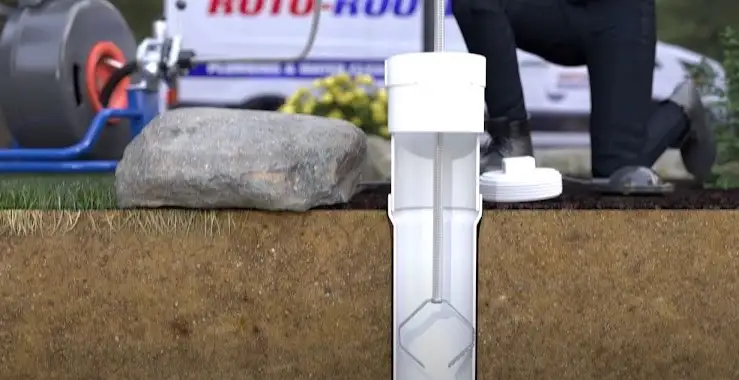
- Locate the cleanout: Most Frisco homes have a cleanout in the yard, usually a white PVC cap near the foundation. Opening it can relieve pressure while you wait.
- Call 972-324-3454: Roto-Rooter responds during days, evenings, and weekends across Frisco and Collin County with fully equipped service vehicles ready to clear the blockage on the first visit.
What Happens During Your Drain Cleaning Appointment
- Diagnosis first: The technician inspects affected drains and determines the most likely cause based on your home's age, pipe material, and soil conditions.
- Camera inspection: A fiber-optic camera goes into the drain line to show the exact location and nature of the blockage. You can watch the live feed.
- Professional cleaning: Based on the diagnosis, the technician selects the right tool - cable machine for root masses, hydro jetting for scale and grease, or a combination for stubborn blockages.
- Verification: A second camera pass confirms the blockage is fully cleared and the pipe is sound.
Same-Day Drain Cleaning in Frisco
Frequently Asked Questions
Will hydro jetting damage PVC drain lines?
PVC in good condition handles hydro jetting well. Roto-Rooter technicians adjust water pressure based on pipe material and condition. A camera inspection before jetting confirms the pipe is structurally sound and identifies any joints weakened by clay soil displacement that need a different approach.
What causes recurring drain clogs in Frisco homes?
Clay soil displacement and tree root intrusion are the most common causes. Frisco's Blackland Prairie clay shifts around drain pipes through every wet-dry cycle, and oak and pecan roots planted during the building boom are now large enough to penetrate joint separations. Hard water mineral scale compounds the problem by narrowing pipe diameter. A camera inspection identifies the specific cause.
Can Roto-Rooter handle commercial drain cleaning in Frisco?
Roto-Rooter provides commercial drain cleaning for restaurants, office buildings, retail spaces, and facilities across Frisco and Collin County. Our commercial equipment handles lines up to 10 inches in diameter, and scheduled maintenance programs are available.
How often should Frisco homeowners schedule drain cleaning?
Annual drain cleaning is recommended for homes with mature trees near sewer lines or properties older than 15 years where mineral scale has accumulated. Newer homes in developments like Park Vista or Lexington Country may need service less frequently, but a baseline camera inspection establishes pipe condition and sets an appropriate schedule.
Does Frisco's hard water contribute to drain problems?
Yes. The North Texas Municipal Water District delivers water at 130 to 170 parts per million hardness. Calcium and magnesium deposit inside drain pipes year after year, narrowing the interior and creating rough surfaces where grease and debris accumulate faster than in softer-water areas.
How do I know if my drain needs professional cleaning?
When water drains slowly in multiple fixtures, you hear gurgling during toilet flushes, or sewage odors come through drain openings, the blockage sits deeper than chemical products can reach. Chemical drain cleaners can damage pipe joints displaced by clay soil movement, turning a clog into a leak. Call 972-324-3454 for a professional assessment.
My home was built in the last five years. Can I already have drain problems?
Frisco's clay soil begins affecting buried pipes immediately after construction. Soil settlement around new pipe runs creates low spots within the first few years, and construction sediment left in drain lines can form the base of early blockages. Mineral scale buildup starts the first day water flows through the pipes.
SPECIAL FINANCING AVAILABLE
We have partnered with Synchrony Bank to offer financing options to make your plumbing repair expenses as convenient and stress-free as possible.