Water Damage Restoration in Fremont, CA
Bay Area Geography and Rising Water Tables Create Persistent Risk
Fremont sits at the eastern edge of San Francisco Bay where flat terrain, tidal influence, and seasonal rain converge to create significant water damage exposure. Roughly 34 percent of buildings in Fremont face measurable flood risk, and 14 of the city's 61 census tracts contain neighborhoods where more than half of all structures sit within high-risk zones. The Baylands area and south Warm Springs district face the greatest exposure as sea levels continue to rise.
Alameda County projections indicate sea level increases of six inches by 2030 and 11 inches by 2050, intensifying tidal flooding along Fremont's western boundary. Inland neighborhoods contend with a different threat - winter storms between November and March can deliver heavy rainfall that overwhelms aging storm drain infrastructure and saturates the clay-heavy soils that characterize much of the East Bay plain.
Roto-Rooter provides comprehensive water damage restoration in Fremont, backed by decades of plumbing expertise since 1935. Our experienced plumbing technicians respond promptly with professional-grade extraction, structural drying, and restoration equipment. Call Roto-Rooter at 510-493-9058 or schedule service online for immediate water damage assistance.
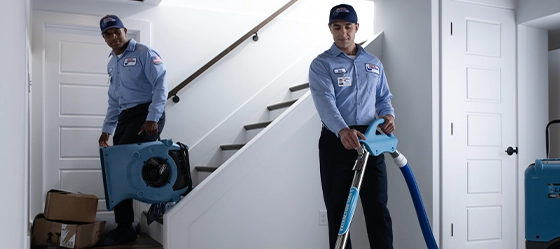
Water Damage Scenarios Common in Fremont Homes
Fremont's mix of mid-century subdivisions, newer tract developments, and proximity to the Bay creates water damage challenges that demand professional response.
- Seasonal Storm Flooding: Atmospheric river events push heavy rainfall into the East Bay, overwhelming storm drains and flooding streets in low-lying areas near Alameda Creek and the Baylands. Water backs up through storm connections and saturates properties along the flood plain.
- Slab Leaks: Much of Fremont was built on concrete slab foundations during the 1960s and 1970s housing boom. Copper supply lines beneath those slabs develop pinhole leaks from mineral deposits in the municipal water supply, saturating flooring before visible signs appear above ground.
- Burst or Leaking Pipes: Homes built between 1960 and 1985 may contain polybutylene or early CPVC supply lines that become brittle with age. These materials fail without warning, releasing pressurized water into wall cavities and ceilings.
- Appliance Failures: Water heaters, washing machines, dishwashers, and refrigerator ice maker lines are leading sources of residential water damage. A corroded water heater tank or failed supply hose can flood a garage or utility room in minutes.
- Groundwater Intrusion: Fremont's water table sits close to the surface in areas near the Bay, and prolonged rain pushes groundwater upward through expansion joints and foundation cracks, dampening concrete floors and lower walls.
- Tidal and Sea Level Flooding: Properties along Fremont's western boundary face increasing exposure to high-tide flooding as Bay water levels climb. Salt water intrusion corrodes plumbing components and creates long-term structural concerns.
Fremont Neighborhoods We Serve
Roto-Rooter provides water damage restoration throughout Fremont, CA. Our technicians respond promptly to emergencies across the city.
- Warm Springs and South Fremont: Newer construction built on former industrial and marshland parcels sits at lower elevations with higher groundwater exposure. Properties near the BART station and technology corridor face increased surface water accumulation during heavy rain.
- Centerville and Irvington: Established neighborhoods with homes dating to the 1950s through 1970s contain aging galvanized and copper plumbing that drives higher rates of pipe failure and slab leak activity.
- Niles and Mission San Jose: Hillside properties in these neighborhoods contend with stormwater runoff that accelerates downslope, pooling against foundations and overwhelming drainage systems during sustained rainfall.
- Glenmoor and Sundale: Single-story slab homes across these mid-century neighborhoods rely on original plumbing infrastructure now past its expected service life, elevating the risk of supply line failures beneath foundations.
Serving Fremont and surrounding communities, Including:
Counties in the Fremont Area
Financing Options for Water Damage Restoration
Restoration costs can add up quickly after unexpected water damage. Roto-Rooter offers convenient financing through Synchrony Bank to help Fremont homeowners manage expenses without delaying critical repairs. Financing lets you authorize work right away while spreading costs into manageable monthly payments.
Roto-Rooter provides free estimates so you understand costs before work begins. Our team also works with your insurance company to document damage and support your claim. Call 510-493-9058 to discuss restoration needs and financing options.
Steps to Take When You Find Water Damage in Your Fremont Home
Acting quickly after discovering water damage limits destruction and reduces costs. If you find standing water or signs of water intrusion, take these steps immediately.
- Stop the Water Source: If the water is coming from a plumbing failure, shut off the main water supply valve. For appliance leaks, disconnect the unit and close its supply valve. For storm-related flooding, focus on keeping yourself and your family safe first.
- Protect Yourself and Your Property: Avoid contact with standing water near electrical outlets or panels. Move valuable items and important documents to dry areas. Do not use a household vacuum to remove standing water.
- Call Roto-Rooter Immediately: Contact Roto-Rooter at 510-493-9058 as soon as the situation is safe. Our technicians respond promptly to begin extraction and prevent mold growth.
- Document the Damage: Take photos and videos of all affected areas before cleanup begins. This documentation supports your insurance claim and helps our team assess the full scope of damage.

Same-Day Water Damage Restoration in Fremont
Call Roto-Rooter for 24/7 Water Damage Restoration in Fremont

SPECIAL FINANCING AVAILABLE
We have partnered with Synchrony Bank to offer financing options to make your plumbing repair expenses as convenient and stress-free as possible.