Drain Cleaning in Detroit, MI
Motor City Pipes Have Seen a Lot of Winters
Detroit's plumbing infrastructure tells the story of a city built during America's industrial boom. Many homes in Corktown, Indian Village, and the Boston-Edison Historic District still rely on cast iron and clay tile drain lines installed before 1960. Michigan's freeze-thaw cycles swing ground temperatures between deep frost and spring thaw dozens of times each winter, cracking joints, shifting pipe alignment, and creating low spots where waste collects until the line blocks.
Detroit's combined sewer system, managed by the Great Lakes Water Authority, adds another challenge. Heavy rain and snowmelt push stormwater and sewage through the same pipes. When capacity fills, pressure forces sewage back through residential connections and into basement floor drains.
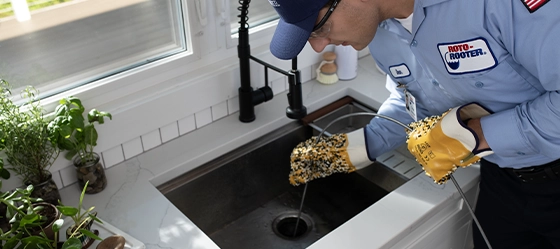
Roto-Rooter has provided professional drain cleaning since 1935. Our experienced plumbing technicians use professional-grade equipment to clear blockages and identify the underlying cause so the problem stays fixed.
Call 313-223-1212 or schedule service online. Financing available for qualifying customers.
What Clogs Detroit Drains
Aging infrastructure, mature tree coverage, and Michigan's extreme temperature swings create conditions that overwhelm residential drain systems.
- Freeze-thaw pipe damage: Detroit winters push frost lines deep into the soil. Each freeze-thaw cycle shifts the ground around buried pipes, cracking clay tile joints and pulling cast iron connections apart. Homes built before 1945 are especially vulnerable.
- Tree root intrusion: Mature elms and maples throughout Midtown, Grandmont-Rosedale, and Palmer Park send roots through any crack in a drain line. Roots form dense mats that trap grease and debris until the pipe blocks.
- Grease and mineral buildup: Cooking grease, soap residue, and dissolved minerals coat pipe walls. In older cast iron where interior corrosion creates a rough surface, buildup narrows the diameter until flow stops.
- Combined sewer surcharge: During heavy rain or rapid snowmelt, Detroit's combined sewer system reaches capacity. The excess pushes back through residential connections and into basement floor drains.
- Pipe deterioration and collapse: Cast iron corrodes from the inside out over decades. Rust scaling thins pipe walls until sections crack or collapse. Homes in Woodbridge and Hubbard Richard often still have original cast iron drains.
Call 313-223-1212 or book online for a professional assessment.
Detroit Neighborhoods We Serve
Roto-Rooter's drain cleaning technicians respond across Detroit with fully equipped service vehicles ready to handle any blockage on the first visit.
- Corktown and Woodbridge: Detroit's oldest neighborhoods, with homes dating to the 1840s. Original clay tile drain lines and shallow foundations make these areas prone to root intrusion and freeze-thaw damage.
- Indian Village and West Village: Grand historic homes built in the early 1900s with extensive underground plumbing. Mature trees along Burns and Iroquois Avenues create persistent root intrusion in aging cast iron drain lines.
- Midtown and New Center: A mix of historic residential buildings and newer construction near Wayne State University. Older buildings have original cast iron drain stacks that need periodic clearing.
- Grandmont-Rosedale and Palmer Park: Homes built primarily in the 1920s through 1940s with significant mature tree coverage. Many homes still operate on original drain infrastructure.
- East English Village and Morningside: Post-war homes built in the 1940s and 1950s. Cast iron drain lines in these areas are reaching the end of their expected lifespan.
Drain Emergency Steps for Detroit Homeowners
A backed-up drain can escalate quickly during a Michigan thunderstorm or spring thaw. Take these steps before a technician arrives.
- Stop using water: Turn off faucets, dishwashers, and washing machines. If water is rising in the basement, avoid plumbing fixtures on upper floors.
- Check other fixtures: If multiple drains back up simultaneously, the blockage is in the main sewer line. This helps our technicians arrive with the right equipment.
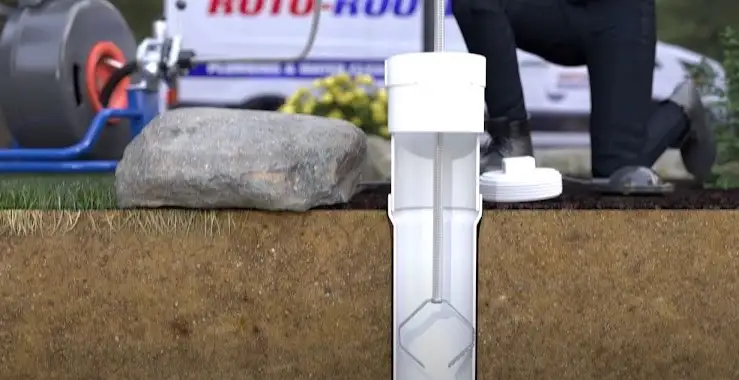
- Locate the cleanout: Most Detroit homes have a cleanout in the basement or yard - a white PVC or cast iron cap on a short pipe. Opening it can relieve pressure.
- Protect the basement: Move belongings away from floor drains. If you have a sump pump, verify it is running.
- Call 313-223-1212: Roto-Rooter responds 24/7, 365 days a year with fully equipped service vehicles.
Operated as an Independent Contractor - All available services, hours of operations, pricing structure, and guarantees may vary by location
Serving the entire Detroit metro area, Including:
Counties in the Detroit Metro Area
Protecting Detroit Basements from Drain Backups
Basement flooding is a common and costly problem for Detroit homeowners. The city's combined sewer system means heavy rainstorms and spring snowmelt can overwhelm municipal pipes, pushing sewage back into homes through basement floor drains.
Roto-Rooter can help protect your basement with preventive maintenance and targeted drain cleaning.
- Backwater valve inspection: A functioning backwater valve prevents municipal sewer surges entering your home. Our technicians inspect valves and clear debris that prevents sealing.
- Floor drain maintenance: Basement floor drains collect sediment, soap residue, and debris that restrict flow. Regular cleaning keeps these drains clear during heavy weather events.
- Sump pump drain lines: Sump pump discharge lines can freeze during Detroit winters or clog with mineral deposits. Clearing these lines ensures your sump system works when you need it.
- Preventive main line cleaning: Annual clearing removes root growth and buildup before it creates a blockage. Especially important for homes with mature trees near the sewer run.
Call 313-223-1212 to discuss basement drain protection options. Financing available for qualifying customers.
Same-Day Drain Cleaning in Detroit
SPECIAL FINANCING AVAILABLE
We have partnered with Synchrony Bank to offer financing options to make your plumbing repair expenses as convenient and stress-free as possible.