Drain Cleaning in Arlington, TX
Blackland Prairie Clay and the Drains That Fight It
Arlington sits squarely on the Blackland Prairie clay formation, one of the most aggressive soil types for buried plumbing anywhere in Texas. This expansive clay swells during spring rainstorms and contracts hard through July and August heat, shifting several inches per season. That constant movement cracks underground drain lines, separates joints, and opens gaps where tree roots push inside. For homeowners in established neighborhoods like Interlochen, Wimbledon, and the areas surrounding Dalworthington Gardens, slow drains and recurring backups are a predictable consequence of the ground beneath them.
Roto-Rooter has provided professional drain cleaning across the Metroplex since 1935. Our experienced plumbing technicians use professional-grade equipment to clear blockages and identify the underlying cause so the same problem does not return next month. Financing is available for qualifying customers.
Call 817-482-9008 or schedule service online.
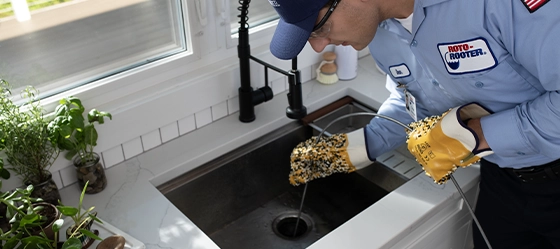
What Clogs Arlington Drains More Than Anything Else
Arlington's combination of clay soil, mature trees, hard water, and aging pipe materials creates conditions where drain problems compound over time. Many homes built during the 1960s and 1970s in neighborhoods like Pantego, East Arlington, and North Arlington near the entertainment district still rely on cast iron or clay tile pipes that have been under soil stress for more than five decades.
- Tree root intrusion: Roots from mature oaks, pecans, and elms penetrate cracks in aging pipe joints and grow dense blockages that worsen each season. Established neighborhoods with large canopy trees along Village Creek and south of I-20 are especially vulnerable.
- Hard water mineral scale: Arlington's water through the Tarrant Regional Water District registers 250 to 350 parts per million. That mineral content deposits calcium and magnesium scale inside drain pipes, narrowing the interior and creating rough surfaces where grease and debris catch.
- Grease and soap buildup: Cooking grease, soap residue, and food particles layer onto pipe walls already roughened by mineral deposits, gradually restricting flow until drains stop altogether.
- Pipe belly and sag: Clay soil movement pushes pipe sections into low spots where waste collects. These bellied sections cause recurring backups that chemical drain cleaners cannot solve.
- Offset and separated joints: Seasonal expansion and contraction shifts pipe sections out of alignment, trapping debris and creating partial blockages that worsen over time.
- Corroded and deteriorated pipes: Cast iron pipes corrode from the inside out, and clay tile joints crumble after decades of soil pressure. Homes in 1960s-era subdivisions between Pioneer Parkway and Pleasant Ridge Road often have original materials still in service.
Call 817-482-9008 or book online for a professional assessment.
Arlington Neighborhoods We Serve for Drain Cleaning
Our drain cleaning technicians respond across Arlington and the surrounding Metroplex with fully equipped service vehicles stationed throughout Tarrant County.
- North Arlington and Entertainment District: Residential neighborhoods built through the 1970s and 1980s near AT&T Stadium and Globe Life Field. Root intrusion and aging cast iron pipes generate the majority of drain calls here.
- Interlochen and Wimbledon: Southwest Arlington neighborhoods with 1970s-1980s homes surrounded by large mature trees. The canopy and original plumbing make root intrusion and pipe deterioration common.
- East Arlington and South Arlington: Newer construction along Sublett Road sits on clay soil that settles unevenly around pipe installations. Older sections closer to downtown have pre-1970 infrastructure still in service.
- Surrounding Metroplex communities: Dalworthington Gardens, Pantego, Mansfield, Grand Prairie, Kennedale, and surrounding areas throughout Tarrant County.
What to Do During a Drain Emergency in Arlington
A backed-up drain can escalate quickly, especially during a Metroplex thunderstorm when storm runoff saturates clay soil and pressures sewer lines. Taking the right steps before a technician arrives helps minimize water damage.
- Stop using water: Turn off faucets, dishwashers, and washing machines to prevent the backup from spreading further into your home.
- Check other fixtures: If multiple drains back up simultaneously, the blockage is likely in the main sewer line. This helps our technicians arrive with the right equipment.
- Locate the cleanout: Most Arlington homes have a cleanout in the yard, usually a white PVC or cast iron cap near the foundation. Opening it can relieve pressure while you wait.
- Call 817-482-9008: Roto-Rooter responds 24/7, 365 days a year across the Metroplex with fully equipped service vehicles ready to clear the blockage on the first visit.
Serving Arlington and surrounding communities, Including:
Counties in the Arlington Area
What to Expect During Your Drain Cleaning Appointment
- Diagnosis first: The technician inspects the affected drains and determines the most likely cause based on your home's age, pipe material, and local soil conditions.
- Camera inspection: A fiber-optic camera goes into the drain line to show the exact location and nature of the blockage. You can watch the live feed on the monitor.
- Professional cleaning: Based on the diagnosis, the technician selects the right tool - cable machine for root masses, hydro jetting for grease and scale, or a combination approach for stubborn blockages.
- Verification: A second camera pass confirms the blockage is fully cleared and the pipe is in sound condition.
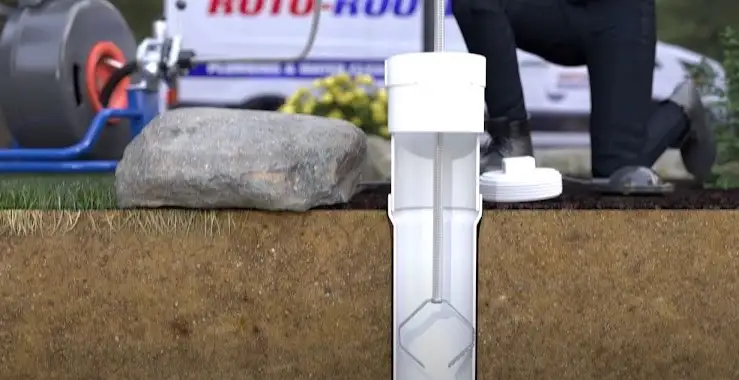
Same-Day Drain Cleaning in Arlington
Frequently Asked Questions
Will hydro jetting damage my older pipes?
Roto-Rooter technicians adjust water pressure based on pipe material and condition. For older clay tile or cast iron pipes, lower pressure settings effectively remove buildup without risking structural damage. A camera inspection before jetting confirms the pipe can handle the process safely.
What causes recurring drain clogs in Arlington homes?
Tree root intrusion is the most common culprit. Arlington's Blackland Prairie clay cracks and shifts around drain pipes throughout the year, and roots from oaks, pecans, and elms grow into those gaps seeking moisture. Hard water mineral buildup and pipe deterioration also contribute. A camera inspection identifies the specific cause.
How often should Arlington homeowners schedule drain cleaning?
Annual drain cleaning is recommended for most Arlington homes, especially properties with mature trees near sewer lines or pre-1980 homes with original clay tile or cast iron pipes. Properties with recurring clogs may benefit from service every six months.
How long does a typical drain cleaning visit take?
Most residential drain cleaning jobs take 30 to 90 minutes depending on the severity and location of the blockage. Main sewer line cleanings with camera inspection typically take one to two hours.
Can Roto-Rooter handle commercial drain cleaning in Arlington?
Roto-Rooter provides commercial drain cleaning for restaurants, retail spaces, office buildings, and facilities across the Metroplex. Our commercial equipment handles lines up to 10 inches in diameter, and scheduled maintenance programs are available to keep commercial drains flowing.
Does Roto-Rooter offer financing for drain cleaning services?
Yes. Financing options are available for qualifying customers on drain cleaning and related services. Ask your technician or call 817-482-9008 for details on current financing programs.
Does Arlington's hard water make drain problems worse?
Yes. Arlington's water through the Tarrant Regional Water District contains elevated calcium and magnesium that deposit mineral scale inside drain pipes. This scale narrows pipe diameter and creates rough surfaces where grease and debris accumulate faster than in a soft-water area.
How do I know if my drain needs professional cleaning?
When water drains slowly in multiple fixtures, you hear gurgling sounds during toilet flushes, or sewage odors rise from floor drains, the blockage sits deeper than store-bought products can reach. Chemical drain cleaners can also damage older clay tile and cast iron pipes common in Arlington homes. Call 817-482-9008 for a professional assessment.
SPECIAL FINANCING AVAILABLE
We have partnered with Synchrony Bank to offer financing options to make your plumbing repair expenses as convenient and stress-free as possible.