Drain Cleaning in Virginia Beach, VA
Coastal Conditions That Push Virginia Beach Drains to the Limit
Virginia Beach sits where the Chesapeake Bay meets the Atlantic Ocean, and that geography creates distinct challenges for drain systems. Sandy soil shifts with moisture changes, a high water table puts constant pressure on underground pipes, and salt air accelerates corrosion on metal plumbing components. For homeowners in Shadowlawn, Great Neck, and Kempsville, slow drains and recurring backups are a persistent reality shaped by coastal conditions.
Roto-Rooter has provided professional drain cleaning across Hampton Roads since 1935. Our experienced plumbing technicians use professional-grade equipment to clear blockages and diagnose underlying pipe damage. Free on-site estimates and flexible financing options are available.
Call 757-514-3005 or schedule service online.
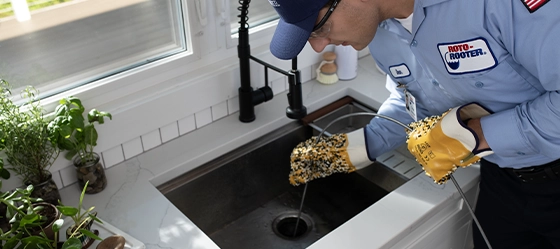
What Makes Virginia Beach Drains Different
Sandy coastal soil, high groundwater, and aging infrastructure create drain problems that inland cities rarely encounter. Many homes built before 1990 still rely on cast iron or clay tile sewer lines that degrade faster in Virginia Beach's humid, salt-laden environment.
- Sand infiltration: Sandy soil migrates through cracked pipe joints and settling connections, building up sediment inside drain lines. Properties near the Lynnhaven Inlet and along Shore Drive are especially vulnerable to sand-related blockages.
- Saltwater corrosion: Coastal humidity and salt air attack cast iron and galvanized steel pipes from the outside, while mineral-rich groundwater corrodes them from within. This weakens pipe walls and creates rough interior surfaces where debris accumulates.
- High water table pressure: Virginia Beach's water table sits close to the surface across much of the city. Groundwater pushes against drain lines at every joint, forcing its way into cracks and offset connections. The result is infiltration that overwhelms pipe capacity during heavy rain.
- Tree root intrusion: Mature live oaks, crape myrtles, and pines across established neighborhoods send roots toward the moisture in drain lines. Roots penetrate cracked joints and expand inside pipes, creating dense blockages that worsen each growing season.
- Grease and mineral scale: Hard water minerals combine with cooking grease and soap residue to form stubborn buildup that narrows pipe diameter. Coastal mineral content in Virginia Beach water accelerates scale formation.
Call 757-514-3005 or book online for a professional assessment.
Virginia Beach Neighborhoods We Serve
Our drain cleaning technicians respond across Virginia Beach with fully equipped service vehicles stationed throughout the Hampton Roads region.
- Shadowlawn and the Oceanfront: Older cottages and mid-century homes near Rudee Inlet sit on sandy fill with original cast iron drain lines. Salt air corrosion and sand infiltration drive most service calls in this area.
- Great Neck and Lynnhaven: Established communities along the Lynnhaven River with mature tree canopies. Root intrusion into aging sewer laterals is the primary drain concern, compounded by tidal influence on groundwater levels.
- Kempsville: One of Virginia Beach's oldest settled areas with homes dating back several decades. Original clay tile and cast iron sewer lines sit beneath dense, mature landscaping where aggressive root systems cause persistent drain blockages.
- Sandbridge and Back Bay: Low-lying coastal properties face the highest water table levels in the city. Tidal flooding and sand-saturated soil put heavy pressure on underground drain infrastructure.
- Hilltop, Princess Anne, and surrounding areas: Established neighborhoods and newer development across central and southern Virginia Beach. Coverage extends throughout the city and neighboring Hampton Roads communities.
Drain Emergencies in Virginia Beach - What to Do First
A backed-up drain can escalate quickly, especially during a nor'easter or tropical storm when the stormwater system is already strained. Taking the right steps before a technician arrives helps minimize damage.
- Stop using water: Turn off faucets, dishwashers, and washing machines to prevent the backup from spreading further into your home.
- Check other fixtures: If multiple drains back up simultaneously, the blockage is likely in the main sewer line. This helps our technicians arrive with the right equipment.
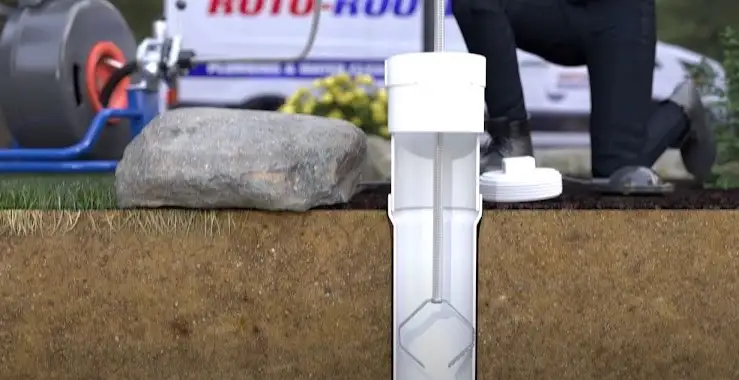
- Locate the cleanout: Most Virginia Beach homes have a cleanout access in the yard, typically a white PVC or cast iron cap near the foundation. Opening it can relieve pressure while you wait.
- Call 757-514-3005: Roto-Rooter responds 24/7, 365 days a year across Virginia Beach and Hampton Roads with fully equipped service vehicles ready to clear the blockage on the first visit.
Serving Virginia Beach and surrounding communities, Including:
Counties in the Virginia Beach Area
What Happens During a Drain Cleaning Visit
- Diagnosis first: The technician inspects the affected drains and evaluates the most likely cause based on your home's age, pipe material, proximity to water, and local soil conditions.
- Camera inspection: A fiber-optic camera goes into the drain line to reveal the exact location and nature of the blockage. You can watch the live feed firsthand.
- Professional cleaning: Based on the diagnosis, the technician selects the right tool - cable machine for root masses, hydro jetting for grease and scale, or a combination approach for sand and debris.
- Verification: A second camera pass confirms the blockage is fully cleared and documents pipe condition for your records.
Same-Day Drain Cleaning in Virginia Beach
Trusted Drain Cleaning Across Virginia Beach and Hampton Roads

Frequently Asked Questions
What causes recurring clogs in Virginia Beach homes?
Tree root intrusion is the leading cause. Roots grow toward moisture in drain lines and expand inside cracked joints. Sand infiltration is the second most common cause, especially in properties near the water. Grease buildup and mineral scale compound both problems. A camera inspection identifies the specific cause so the right solution is applied.
Why do my drains back up during heavy rain?
Virginia Beach's high water table rises further during storms, pushing groundwater into cracked sewer lines through infiltration. When enough groundwater enters the drain system, it overwhelms pipe capacity and causes backups. Older clay tile and cast iron pipes with deteriorated joints are most susceptible. Roto-Rooter can inspect your lines and identify infiltration points.
Can Roto-Rooter handle commercial drain cleaning in Virginia Beach?
Roto-Rooter provides commercial drain cleaning for restaurants, hotels, retail spaces, and office buildings across Virginia Beach and Hampton Roads. Our commercial equipment handles lines up to 10 inches in diameter with scheduled maintenance programs available.
Does salt air really damage my plumbing?
Yes. Coastal humidity carries salt particles that accelerate corrosion on metal pipes above and below ground. Cast iron drain lines in oceanfront and bayfront properties deteriorate faster than identical pipes inland. Galvanized steel connections are especially vulnerable. Regular camera inspections help track pipe condition before a failure occurs.
Will hydro jetting damage my older pipes?
Roto-Rooter technicians adjust water pressure based on pipe material and condition. For older clay tile or cast iron pipes in Virginia Beach, lower pressure settings remove grease, scale, and sand without risking damage. A camera inspection before jetting confirms the pipe can handle the process safely.
How often should Virginia Beach homeowners schedule drain cleaning?
Annual drain cleaning is recommended for most Virginia Beach homes, particularly properties with mature trees near sewer lines or homes with original cast iron and clay tile pipes. Oceanfront and bayfront properties with active sand infiltration may benefit from service every six months.
How does Virginia Beach's sandy soil affect my drains?
Sandy soil migrates through cracked pipe joints and deteriorated seals, accumulating inside drain lines and reducing flow capacity. Properties closer to the oceanfront and Chesapeake Bay experience more sand infiltration because the water table pushes sandy groundwater against pipe joints with greater force. A camera inspection reveals whether sand buildup is contributing to slow drains.
SPECIAL FINANCING AVAILABLE
We have partnered with Synchrony Bank to offer financing options to make your plumbing repair expenses as convenient and stress-free as possible.