Leak Detection in Tulsa, OK
Oklahoma Clay and Hard Water - The Two Forces Behind Most Tulsa Plumbing Leaks
Tulsa sits on expansive clay soil that swells with every thunderstorm and contracts through dry Oklahoma summers. This constant ground movement shifts underground pipes, cracks joints, and stresses the supply lines running beneath concrete slab foundations across the metro area. Add hard water that corrodes copper pipes from the inside and acidic soil that attacks them from the outside, and hidden plumbing leaks become one of the most common property damage risks Tulsa homeowners face.
Roto-Rooter's experienced plumbing technicians use professional-grade leak detection equipment to locate hidden leaks without tearing apart walls, floors, or landscaping. Our approach pinpoints the exact source so repairs target the problem directly.
- Available 24/7, 365 days a year: Emergency and scheduled leak detection for residential and commercial properties throughout the Tulsa metro area.
- Non-invasive detection methods: Roto-Rooter is fully licensed and insured with experienced plumbing technicians trained in acoustic, thermal, and pressure-based detection that preserves your home's interior and landscaping.
- Accurate location technology: Identifies slab leaks, underground line leaks, and hidden pipe failures without guesswork or unnecessary demolition.
Call Roto-Rooter at 918-609-9095 or schedule service online to locate and stop leaks fast.
What Makes Tulsa Properties Vulnerable to Hidden Leaks
- Expansive clay soil: Tulsa's soil consists mostly of clay that expands when wet and contracts when dry. This cycling shifts underground pipes, cracks joints at stress points, and stresses supply lines beneath slab foundations throughout the metro area.
- Hard water and acidic soil: Tulsa's water supply carries mineral concentrations that build scale inside pipes, while the acidic clay soil corrodes copper pipes from the outside. This dual attack thins pipe walls and creates pinhole leaks over time.
- Freeze-thaw cycling: Oklahoma winters bring rapid temperature swings that cross the freezing mark multiple times per week. Exposed pipes expand and contract through each cycle, weakening joints and fittings.
- Aging pipe materials: Older homes across Tulsa contain galvanized steel and cast iron pipes prone to internal corrosion. Clay sewer pipes in established neighborhoods crack under soil pressure and root intrusion.
- Severe storm damage: Tulsa's severe thunderstorms saturate clay soil rapidly, creating sudden ground movement that stresses pipe connections. Flash flooding events add hydrostatic pressure to underground plumbing.
Neighborhoods and Areas We Serve Across Tulsa
- Midtown and Brookside: Properties built during the 1920s and 1950s contain some of Tulsa's oldest plumbing infrastructure. Galvanized steel supply lines and clay sewer pipes have been under soil pressure and root attack for decades.
- South Tulsa and Jenks: Development during the 1970s and 1990s used copper and PVC supply lines now experiencing mineral scale buildup and clay soil stress. Foundation movement in these neighborhoods is particularly active.
- Broken Arrow and Owasso: Newer suburban development uses modern materials, but the expansive clay soil creates persistent foundation movement that stresses slab connections and underground supply lines.
- Downtown and Pearl District: Mixed commercial and residential properties contain plumbing spanning multiple construction eras, with aging municipal connections and varied pipe materials.
Operated as an Independent Franchise - All available services, hours of operations, pricing structure, and guarantees may vary by location
Serving the entire Tulsa metro area, Including:
Counties in the Tulsa Metro Area
Protecting Your Tulsa Property
- Insulate pipes before winter: Pipes in garages, crawl spaces, and exterior walls need insulation before Oklahoma's first freeze. Rapid temperature swings make exposed pipes particularly vulnerable.
- Monitor your water bill: The City of Tulsa provides usage tracking tools. A sudden increase with no change in habits indicates a likely hidden leak.
- Watch for foundation warning signs: New cracks in walls, sticking doors, or uneven floors can indicate a slab leak causing the clay soil to swell beneath your foundation.
- Schedule annual leak inspections: A professional detection survey catches developing problems before they cause structural damage or water waste.
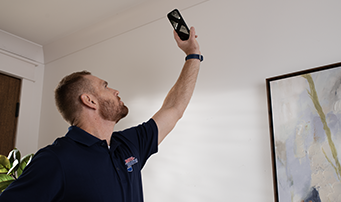
Same-Day Leak Detection in Tulsa
Call Roto-Rooter for Leak Detection in Tulsa - Available 24/7
SPECIAL FINANCING AVAILABLE
We have partnered with Synchrony Bank to offer financing options to make your plumbing repair expenses as convenient and stress-free as possible.