Drain Cleaning in Tulsa, OK
How Tulsa's Red Clay and Shifting Ground Punish Drain Lines
Tulsa sits on some of the most unforgiving soil in Oklahoma. The expansive red clay across Tulsa County swells with spring thunderstorms and contracts through dry summer stretches, shifting underground pipes out of alignment season after season. That relentless movement cracks joints, creates pipe bellies, and opens gaps where tree roots push inside seeking moisture. For homeowners in Maple Ridge, Brookside, and Kendall-Whittier, slow drains and sewer backups are a predictable consequence of the ground beneath their feet.
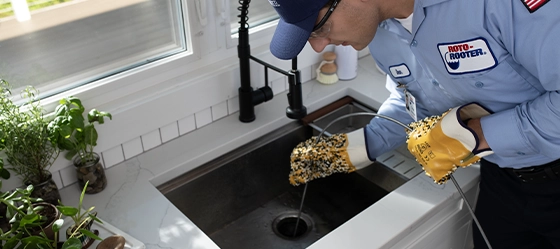
Roto-Rooter has provided professional drain cleaning across Oklahoma since 1935. Our experienced plumbing technicians use professional-grade equipment to clear blockages fast and identify the root cause so the same problem does not return next month.
Call 918-609-9095 or schedule service online.
What Clogs Tulsa Drains More Than Anything Else
The combination of clay soil, mature trees, and pre-1980 plumbing infrastructure makes Tulsa drains especially vulnerable. Many homes in Midtown and the older neighborhoods south of downtown still rely on galvanized steel, cast iron, or clay tile pipes that deteriorate under decades of soil pressure and Oklahoma's temperature swings.
- Tree root intrusion: Roots penetrate cracks in aging clay and cast iron pipes, forming dense blockages that grow worse over time. Tulsa's mature oaks, elms, and hackberry trees are particularly aggressive in established neighborhoods along the Arkansas River corridor and throughout Midtown.
- Grease and mineral scale buildup: Cooking grease, soap residue, and Tulsa's moderately hard water - averaging 140 parts per million of dissolved calcium and magnesium - narrow pipe diameter until flow slows to a crawl.
- Pipe belly and sag: Clay soil movement creates low spots in drain lines where waste and debris collect, leading to recurring backups. Properties in the Arkansas River floodplain and along creek corridors are especially prone to this.
- Offset joints: Seasonal soil expansion and contraction shifts pipe sections out of alignment, trapping debris at every connection point throughout the line.
- Collapsed or deteriorated pipes: Galvanized steel pipes corrode from the inside out, and clay tile joints crumble after decades of soil stress. Homes in Maple Ridge, Swan Lake, and the historic Cherry Street area built in the 1920s and 1930s frequently still have original pipe materials in service.
Call 918-609-9095 or book online for a professional assessment.
Tulsa Neighborhoods Where Drain Problems Hit Hardest
Our drain cleaning technicians respond across the Tulsa metro with fully equipped service vehicles stationed throughout Tulsa County.
- Maple Ridge and Swan Lake: Historic neighborhoods just south of downtown with homes dating to the 1910s and 1920s. Many properties still have original clay tile drain lines. Oil-era mansions on tree-lined streets mean mature root systems pressing against aging underground pipes.
- Brookside and Cherry Street: Popular residential corridors with homes built primarily in the 1920s through 1950s. Cast iron and galvanized steel pipes in these mid-century homes develop internal corrosion and mineral scale after decades of service.
- Kendall-Whittier and Midtown: The oldest residential core of Tulsa, with construction dating to the early 1900s. A mix of original plumbing materials and incremental repairs creates unpredictable drain behavior, particularly during heavy rain events.
- South Tulsa and surrounding communities: Newer subdivisions built on clay soil experience pipe bellies and joint separation as the ground shifts beneath foundations. Broken Arrow, Jenks, Bixby, Owasso, Sand Springs, and Sapulpa residents also rely on our Tulsa-area service coverage.
Operated as an Independent Franchise - All available services, hours of operations, pricing structure, and guarantees may vary by location
Serving the entire Tulsa metro area, Including:
Counties in the Tulsa Metro Area
What to Do When a Drain Backs Up in Your Tulsa Home
A backed-up drain can escalate quickly, especially during an Oklahoma thunderstorm. Taking the right steps before a technician arrives helps minimize water damage.
- Stop using water: Turn off faucets, dishwashers, and washing machines to prevent the backup from spreading further into your home.
- Check other fixtures: If multiple drains back up simultaneously, the blockage is likely in the main sewer line. This helps our technicians arrive with the right equipment.
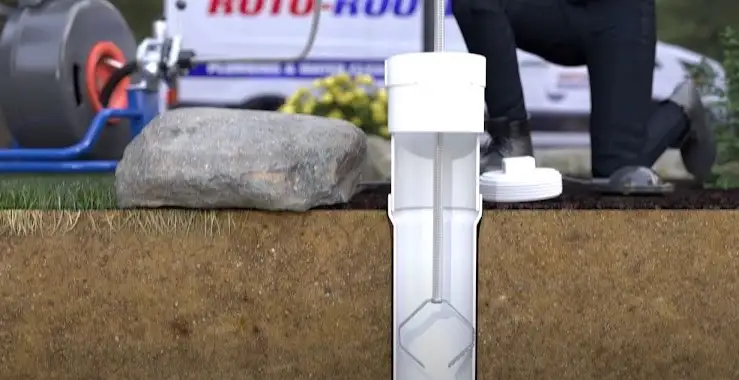
- Locate the cleanout: Most Tulsa homes have a cleanout access point in the yard, usually a white PVC or cast iron cap near the foundation. Opening it can relieve pressure while you wait.
- Call 918-609-9095: Roto-Rooter responds 24/7, 365 days a year across the Tulsa metro with fully equipped service vehicles ready to clear the blockage on the first visit.
What to Expect During Drain Cleaning Service in Tulsa
- Diagnosis first: The technician inspects the affected drains and determines the most likely cause based on your home's age, pipe material, and local soil conditions.
- Camera inspection: A fiber-optic camera goes into the drain line to show the exact location and nature of the blockage. You can watch the live feed firsthand.
- Professional cleaning: Based on the diagnosis, the technician selects the right tool - cable machine for root masses, hydro jetting for grease and scale, or a combination approach.
- Verification: A second camera pass confirms the blockage is fully cleared and the pipe is in good condition.
Same-Day Drain Cleaning in Tulsa
SPECIAL FINANCING AVAILABLE
We have partnered with Synchrony Bank to offer financing options to make your plumbing repair expenses as convenient and stress-free as possible.