Drain Cleaning in Tacoma, WA
Where Puget Sound Rain Meets Glacial Clay Underground
Tacoma sits on layers of glacial till deposited thousands of years ago - a dense mixture of clay, silt, sand, and gravel that holds moisture and shifts with the seasons. Add more than 38 inches of annual rainfall and you have underground conditions that constantly test residential and commercial drain systems. Heavy rain saturates the soil, raises the water table, and pushes groundwater into cracked pipe joints. Tree roots thrive in the moisture and invade aging sewer connections throughout the city's older neighborhoods.
Roto-Rooter has provided professional drain cleaning since 1935. Our experienced plumbing technicians use professional-grade equipment to clear blockages and diagnose the underlying cause so the problem stays fixed.
Call 253-476-2319 or schedule service online.
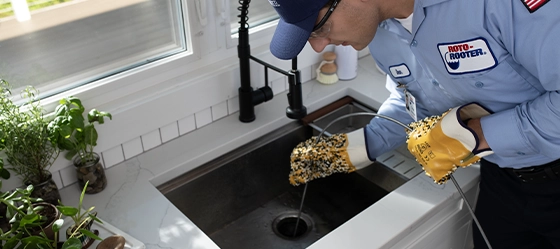
Why Tacoma Drains Clog Differently Than Other Cities
The combination of glacial soil, persistent Pacific Northwest rainfall, and century-old plumbing infrastructure creates drain problems specific to the Tacoma area.
- Glacial clay and soil movement: Tacoma's glacial till contains pockets of dense clay that swell when saturated and contract during dry summer months. This cycle shifts underground drain pipes, creates low spots where waste collects, and separates pipe joints over time.
- Tree root intrusion: Douglas fir, western red cedar, and bigleaf maple root systems are aggressive moisture seekers. In neighborhoods like the North End, Proctor, and Stadium District, mature canopies and aging pipe infrastructure make root intrusion one of the most common causes of blocked drains.
- Cast iron and clay pipe deterioration: Homes built before the 1960s throughout Hilltop, the North Slope Historic District, and Old Town often have original cast iron or vitrified clay sewer lines. After 60 to 100 years of service, these materials corrode, crack, and develop rough interior surfaces that trap grease, soap residue, and debris.
- Mineral scale buildup: Tacoma's water supply from the Green River carries elevated iron and manganese. These minerals deposit scale inside drain pipes that narrows the effective diameter and catches organic material passing through.
- Inflow and infiltration during storms: When the South Sound receives sustained rainfall, groundwater seeps into cracked sewer connections. This extra volume can exceed the pipe's capacity, causing slow drains, gurgling fixtures, and sewer backups - especially in homes with compromised pipe joints.
Call 253-476-2319 or book online for a professional assessment.
Tacoma Neighborhoods and Their Drain Challenges
Our drain cleaning technicians respond across Tacoma with fully equipped service vehicles.
- North End, Proctor, and Old Town: Tacoma's oldest residential areas with Craftsman bungalows and Victorian homes dating to the late 1800s and early 1900s. Original vitrified clay sewer lines and decades of glacial soil movement have created offset joints and root-compromised connections throughout these neighborhoods.
- Stadium District and North Slope Historic District: Historic homes perched on steep terrain above Commencement Bay. Elevation changes put additional hydraulic pressure on drain lines, and aging cast iron pipes in this district require careful clearing techniques.
- Hilltop and Central Tacoma: A mix of early 1900s homes and mid-century construction with cast iron and early PVC drain systems. Hilltop's central elevation and dense mature trees make root intrusion a recurring issue for homeowners.
- South Tacoma and Lincoln District: Post-war homes from the 1940s and 1950s with aging cast iron drain lines. The lower elevation in parts of South Tacoma means higher water tables during the rainy season, increasing the risk of groundwater infiltration into cracked pipes.
- Ruston and Point Defiance area: Residential properties near Puget Sound where proximity to the water table and heavy tree cover create persistent moisture conditions that accelerate pipe deterioration and root growth.
- East Tacoma and McKinley Hill: Mid-century homes where original clay tile and cast iron sewer lines are reaching the end of their functional lifespan. Tacoma's glacial till creates uneven settling beneath these properties.
What to Do During a Drain Emergency in Tacoma
A backed-up drain can escalate quickly, especially during a sustained Pacific Northwest rain event. Taking the right steps before a technician arrives helps minimize damage to your home.
- Stop using water: Turn off faucets, dishwashers, and washing machines to prevent the backup from spreading to additional fixtures and rooms.
- Check other fixtures: If multiple drains back up at the same time, the blockage is likely in the main sewer line. This information helps our technicians arrive with the right equipment.
- Protect your basement: Move valuables away from floor drains. If water is rising through a floor drain, use a wet-dry vacuum at the lowest point to slow the spread.
- Locate the cleanout: Most Tacoma homes have a cleanout access point in the yard or basement - usually a white PVC or cast iron cap near the foundation. Opening it can relieve pressure in the line.
- Call 253-476-2319: Roto-Rooter responds days, evenings, and weekends across Tacoma with fully equipped service vehicles ready to clear the blockage on the first visit.
Serving the entire Tacoma metro area, Including:
Counties in the Tacoma Metro Area
Basement Drains and Tacoma's Backup Risk
Many Tacoma homes have full basements or daylight basements built into the region's hilly terrain. Basement floor drains sit at the lowest point in the plumbing system, and when a main sewer line develops a blockage, the basement is where wastewater surfaces first. Sustained fall and winter rainfall can overwhelm aging sewer connections, and cracked joints allow groundwater infiltration that compounds the problem.
Warning signs include water pooling around the basement floor drain after running the washing machine or dishwasher, gurgling sounds from fixtures on upper floors, and sewage odors during or after rainstorms. Crawlspace plumbing connections in Tacoma's Craftsman-era homes are particularly vulnerable because they sit close to the water table and are difficult to inspect without professional equipment.
Roto-Rooter technicians clear basement and crawlspace drain blockages and inspect the full main sewer line to identify the root cause - including tree root intrusion, pipe deterioration, and soil-related damage from glacial clay movement.
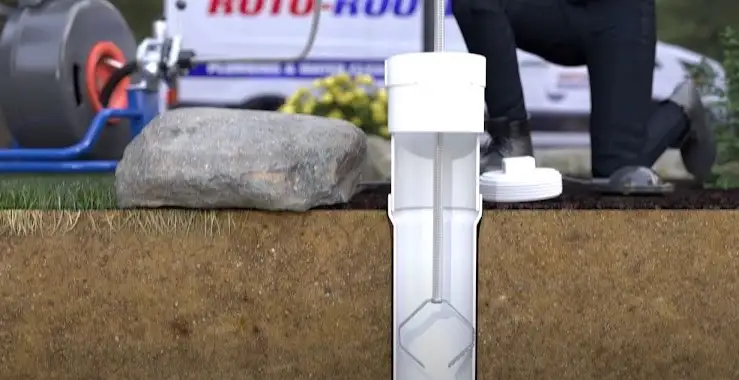
Same-Day Drain Cleaning in Tacoma
Frequently Asked Questions
Can Roto-Rooter handle commercial drain cleaning in Tacoma?
Roto-Rooter provides commercial drain cleaning for restaurants, office buildings, retail spaces, and industrial facilities across Tacoma. Our commercial equipment handles lines up to 10 inches in diameter with scheduled maintenance programs available.
How do I know if my drain needs professional cleaning?
If water drains slowly in multiple fixtures, you hear gurgling sounds when toilets flush, or you notice sewage odors near floor drains, the blockage is likely in the main sewer line where chemical drain cleaners cannot reach. Chemical products can also damage the older clay tile and cast iron pipes found in many Tacoma homes. Call 253-476-2319 for a professional assessment.
Why does my basement drain back up when it rains?
Sustained rainfall raises Tacoma's water table and increases groundwater infiltration into cracked sewer connections. The extra volume overwhelms pipe capacity, and wastewater backs up through the lowest drain in the home - typically the basement floor drain. A partial blockage in the main sewer line makes this worse. Clearing the main line and installing a backwater valve can prevent future basement backups.
Will hydro jetting damage my older pipes?
Roto-Rooter technicians adjust water pressure based on pipe material and condition. For older clay tile or cast iron pipes common in Tacoma's North End and Hilltop neighborhoods, lower pressure settings effectively remove buildup without risking damage. A camera inspection before jetting confirms the pipe can handle the process safely.
How often should Tacoma homeowners schedule drain cleaning?
Annual drain cleaning is recommended for most Tacoma homes, especially those with mature trees near sewer lines or homes built before 1970 with original clay tile or cast iron pipes. Properties with recurring clogs or basement backup history may benefit from service every six months.
What causes recurring drain clogs in Tacoma homes?
Tree root intrusion combined with glacial clay soil movement is the most common cause. Tacoma's dense glacial till shifts underground pipes and creates cracks where roots grow into the line seeking moisture. Mineral scale from the Green River water supply and pipe deterioration in pre-1960s homes also contribute. A camera inspection identifies the specific cause.
Does Tacoma's water quality affect my drains?
Yes. Tacoma's Green River water supply contains naturally occurring iron and manganese that deposit scale inside drain pipes over time. This scale narrows the pipe diameter and creates rough surfaces where grease, soap residue, and debris accumulate more readily. Periodic hydro jetting removes this mineral buildup.
SPECIAL FINANCING AVAILABLE
We have partnered with Synchrony Bank to offer financing options to make your plumbing repair expenses as convenient and stress-free as possible.