Leak Detection in Stockton, CA
Delta Water and Old Farmland - Tracking Leaks in Stockton's Tract Home Neighborhoods
Stockton's rapid growth during the mid-twentieth century built thousands of tract homes on former agricultural land where acidic soil conditions wear down copper pipes over time. The city's water distribution system includes infrastructure installed in the 1960s, and the combination of hard water, daily temperature cycling through the hot Central Valley summers, and reactive soil creates persistent slab leak conditions throughout the metro area. Many of the oldest water mains are now scheduled for replacement based on the city's Water Utility Master Plan.
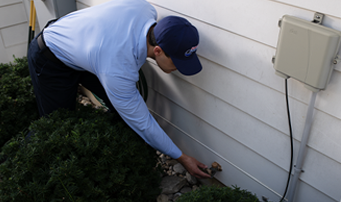
Roto-Rooter's experienced plumbing technicians use professional-grade leak detection equipment to locate hidden leaks without tearing apart walls, floors, or landscaping. Our approach pinpoints the exact source so repairs target the problem directly.
- Available 24/7, 365 days a year: Emergency and scheduled leak detection for residential and commercial properties throughout Stockton.
- Non-invasive detection methods: Roto-Rooter is fully licensed and insured with experienced plumbing technicians trained in acoustic, thermal, and pressure-based detection that preserves your home's interior and landscaping.
- Accurate location technology: Identifies slab leaks, underground line leaks, and hidden pipe failures without guesswork or unnecessary demolition.
Call Roto-Rooter at 209-465-2616 or schedule service online to locate and stop leaks fast.

What Puts Stockton Plumbing at Risk
- Acidic agricultural soil: Much of Stockton was built on former farmland where acidic soil conditions corrode copper pipes from the outside. The constant heating and cooling combined with soil chemistry creates the conditions that produce slab leaks across tract home neighborhoods.
- Central Valley heat cycling: Stockton's summer temperatures regularly exceed 100 degrees. Underground pipes expand during the day and contract at night, weakening joints through constant thermal cycling.
- Hard water mineral deposits: Stockton's blended water supply carries minerals that build scale inside pipes. This buildup narrows pipe diameter, increases internal pressure, and creates corrosion points on copper supply lines.
- Aging infrastructure: The city's water distribution system includes pipes installed in the 1960s that are among the oldest in the system. Residential plumbing from this era uses galvanized steel and early copper that has been in service for 60 years.
- Subsidence and soil settlement: Agricultural water table drawdown in the San Joaquin Valley has contributed to land subsidence. This gradual sinking shifts underground pipes and stresses foundation connections.
Neighborhoods and Areas We Serve Across Stockton
Roto-Rooter provides leak detection services to residential and commercial properties throughout Stockton.
- Lincoln Village and Pacific Avenue corridor: Tract homes built during the 1960s and 1970s contain some of Stockton's oldest residential plumbing. Galvanized steel and copper pipes in these neighborhoods face both internal mineral buildup and external soil corrosion.
- Brookside and Quail Lakes: Development during the 1980s and 1990s used copper supply lines now experiencing mineral scale buildup and thermal cycling fatigue after decades of Central Valley summers.
- Weston Ranch and Lathrop: Newer development built on former agricultural land faces acidic soil conditions that attack copper pipes. Foundation settlement on this soil type creates additional stress on slab-embedded supply lines.
- Downtown and Midtown: Urban properties contain mixed-era plumbing with some of the oldest municipal connections in the city. Infrastructure replacement efforts are underway but many connections remain original.
Serving the entire Stockton metro area, Including:
Counties in the Stockton Metro Area
Protecting Your Stockton Property
- Monitor your water bill: A sudden increase with no change in usage habits indicates a likely hidden leak.
- Watch for foundation warning signs: Cracks in walls, sticking doors, or uneven floors can indicate a slab leak causing soil to shift beneath your foundation.
- Meter test: Turn off all water inside and outside your home, then check the meter dial. If it continues to move, call Roto-Rooter at 209-465-2616.
- Schedule annual leak inspections: A professional detection survey catches developing problems before they cause structural damage or water waste.
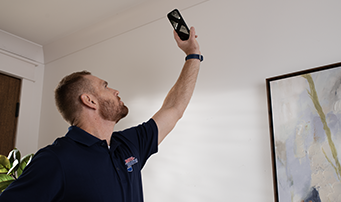
Same-Day Leak Detection in Stockton
Call Roto-Rooter for Leak Detection in Stockton - Available 24/7, 365 days a year
SPECIAL FINANCING AVAILABLE
We have partnered with Synchrony Bank to offer financing options to make your plumbing repair expenses as convenient and stress-free as possible.