Sump Pump Repair, Testing and Replacement in Spokane
Key Takeaways: The Pit Is the Constraint, and It Will Not Get Bigger
- A pump that starts and stops every few seconds, hums without moving water, or sits silent through a thaw is naming its own fault, and each of those symptoms points at a different part.
- Most sump pits in older Spokane houses were cut into a floor poured over basalt and hard flood gravel, so the hole is shallow and narrow and enlarging it is rarely on the table.
- A pit that cannot grow has to be matched with equipment instead: a float switch with short travel, a correctly sized check valve, and a pump that tolerates frequent starts.
- Groundwater under Spokane is seasonal, and the weeks that test the equipment arrive with a snowpack releasing onto frost-sealed ground, well after the last real rain.
- Battery backup covers the failure households in Spokane actually meet, which is losing power during the same wind event that filled the pit.
- Testing takes five minutes and a bucket of water, and it tells you more than looking at the pump ever will.
- Roto-Rooter works on the pump, the pit, the check valve and the discharge line; foundation waterproofing and exterior drainage excavation belong to a different trade and we will say so.

Why Sump Pump Trouble in Spokane Usually Starts With the Pit
The machine gets the blame and the hole it sits in usually deserves it. A pit sets every term the pump has to work within: how much water it can hold between starts, how far the float has room to travel, how deep the intake sits above the sediment that collects at the bottom. Two identical pumps in two houses on the same street can behave completely differently because the holes they sit in are different holes.
That matters more in Spokane than in most markets because of what the floor was poured on. The older residential terraces above the river are basalt in places and deep flood gravel full of rounded cobble in others, and a basement floor laid over either one leaves very little depth to work with. When a pit was cut into that floor years after the house was built, the crew took what the ground allowed. The result is a small pit, and a small pit fills quickly, so the pump starts many more times in a Spokane winter and every component that wears from starting wears out sooner.
How deep can a pit go in ground like this?
Less deep than most homeowners expect, and that is a physical answer rather than a pricing one. Where there is rock or tight cobble under the slab, deepening a pit means breaking ground that the footing beside it is also bearing on, and that is work nobody should do casually. The practical path in Spokane is usually to accept the pit as found and fix the things around it: a float switch that has room to move through its full travel, an intake clear of silt, a check valve that actually holds, and a lid that keeps debris out of a hole that has no depth to spare.
Operated as an Independent Contractor - All available services, hours of operations, pricing structure, and guarantees may vary by location
Serving the entire Spokane metro area, Including:
Counties in the Spokane Metro Area
One Check Valve Decides How Hard the Pump Works
If there is one part worth checking on a Spokane property before anything else, it is the check valve in the discharge line just above the pump. Its only job is to stop the water already lifted from coming back, and when it stops doing that job the pump inherits the same gallons over and over. On a shallow pit the effect is immediate and audible. Owners describe it as the pump running constantly, and they are right, but the water table has done nothing unusual.
The discharge line itself is the other half of that story. It has to leave the structure, carry water far enough out that it does not simply drain back toward the foundation, and terminate somewhere it will not freeze shut through a cold Spokane January. Rules in this corner of Washington state generally keep clean groundwater out of the sanitary sewer, so the line is taken to grade or to a storm system where one exists, and your municipality decides which. Discharging against the wall the pump is protecting defeats the whole installation, and it is a surprisingly common thing to find on a house where the line was shortened at some point and nobody looked at it since.
Replacing a pump when the pit will not change
A replacement in this housing stock is a fitting exercise as much as a purchasing one. The new unit has to clear the pit walls, sit high enough above the accumulated silt to keep the intake clean, and leave the float switch a clear path through its full travel without catching on the pipe. Submersible pumps suit most of the pits in Spokane because they take less vertical room than a pedestal design, though a very narrow older pit sometimes argues the other way. Nobody should be picking a pump off a shelf before somebody has measured the hole it is going into.
Battery backup, outages and the week the wind comes through
A backup system is a second pump with its own float and its own battery, installed above the primary so it takes over when the primary stops or when the power goes. It is the single most common gap we find in Spokane, and the honest recommendation in a market with overhead distribution, mature trees and hard winter wind is that it is worth having. What it does not do is run forever. A battery carries a household through an outage of hours, and a high-water alarm alongside it is worth more than most people expect, because it turns a silent failure into a noise somebody upstairs will hear.
A bucket of water, and what the pump should sound like
This is a real instruction and it takes five minutes. Lift the lid, pour a bucket of clean water slowly into the sump pit, and watch. The float should rise and trip the switch well before the water reaches the top of the pit. The motor should start without hesitating, the level should drop steadily, and the pump should shut off cleanly rather than stuttering on and off at the bottom. Then listen for a single soft thump as the check valve closes. If the level starts climbing again immediately, that valve is your fault. Do it in a Spokane autumn, before the ground has anything to give back.
What this work covers, and what belongs to another trade
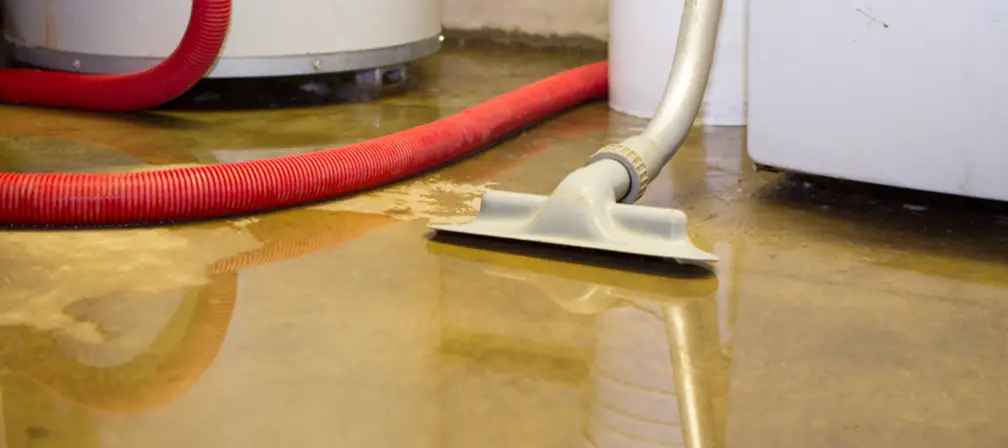
Roto-Rooter repairs, replaces and installs pumps, pits, check valves, float switches and discharge lines, and adds battery backup systems. A sump pump manages the water that reaches the pit, and it cannot stop water entering the structure somewhere else. Roto-Rooter does not perform foundation waterproofing, exterior excavation or French drain installation, and we will tell you plainly when that is what a property needs. If water is already across the floor, Emergency Plumbing in Spokane is the faster call, and Water Damage Restoration in Spokane handles what the water left behind.
Call for a Sump Pump Check Before the Thaw in Spokane
The best week to look at this equipment is a quiet one. Call 509-484-6937 to have the pump, the pit, the valve and the line checked together, or schedule online, and you will get an on-site estimate before any work begins. Roto-Rooter answers 24/7, 365 days a year, and the Spokane plumbing page covers everything else the local team handles.

The Float, the Impeller, the Check Valve and the Power
Snowmelt, Outages and the Weeks That Test a Sump Pump