Sump Pump Repair, Replacement and Battery Backup in Rock Hill
Key Takeaways: The Weather That Fills the Pit Is the Weather That Cuts the Power
- A sump pump that has stopped is discovered during the storm, which is the worst possible moment and the reason this equipment gets checked in advance.
- Storms in the Carolina Piedmont bring water and wind together, and wind into a mature canopy over overhead lines takes the electricity out at the same hour the pit needs the pump most.
- Battery backup is the only component that addresses that failure. A primary pump in perfect condition cannot run without power.
- Red clay sheds a downpour instead of absorbing it, so around Rock Hill the water reaches a low point fast and the pit is asked for everything within minutes.
- Most below-grade space in York County is crawl space, and a pit under the floor structure is protecting framing, ductwork and insulation you never see.
- The routine faults are an obstructed float switch, a clogged intake, a seized impeller and a failed check valve that lets the discharge line drain back into the sump pit.
- Roto-Rooter repairs, replaces and installs pumps and backup systems across Rock Hill and provides on-site estimates before any work begins.

There is a specific unlucky arithmetic to this equipment in Rock Hill. The storms that put water into the ground here are the convective ones that build through a summer afternoon and the wet bands left over from tropical systems that have tracked inland from the coast in late season. Both arrive with wind. Wind in this part of South Carolina means limbs into overhead lines under a canopy that has had decades to grow over them, and that means the power goes out.
So the failure people actually experience is rarely a worn out motor. It is a perfectly serviceable pump sitting in a filling pit with nothing to run it. Every other part of this page is worth reading, and this is the part that decides whether the rest of it mattered.
The ground contributes to the timing. The red clay across the Piedmont takes water in slowly, so a heavy rain runs across the surface toward the low ground instead of soaking away where it lands. A pit that has been quiet for weeks can be working flat out twenty minutes into a storm. That is a different demand profile from a slow seasonal rise, and it is why capacity and power matter more here than endurance does.
How long will a battery backup sump pump run during an outage?
Hours, and the number depends on how much water is arriving. A backup system is a second pump in the same pit with its own battery, and it switches over when the primary loses power or fails. Nobody should quote you an exact runtime, because a battery discharging into a pit that cycles twice an hour lasts far longer than one feeding a pit that runs continuously. What a household can rely on is that a backup carries the pit across the window when the line crews are still working, which in Rock Hill after a summer storm is the window that matters.
Operated as an Independent Contractor - All available services, hours of operations, pricing structure, and guarantees may vary by location
Serving the entire Rock Hill metro area, Including:
Counties in the Rock Hill Metro Area
How the pit is built matters as much as what is in it
Two pits in Rock Hill can hold identical pumps and behave nothing alike. A proper installation uses a liner set into the ground with a solid lid, so the walls stay put, the float has clear travel and the pit is not open to the crawl space above it. Plenty of older pits are a hole dug in the dirt with a board over the top, and every one of them collects soil off its own walls, feeds grit through the impeller and gives the float something to snag on.
Size counts as well. A pit that is too small for the volume arriving off a hard South Carolina downpour forces short cycles that shorten a motor's life, and an oversized one holds standing water in an enclosed space that is already fighting humidity for most of the year. When a pump is replaced, a plumber reads the pit first, because the pit and the pump work as one thing and a new motor in a bad hole is a repair with a short future.
The faults you can find yourself with a bucket
Pour five gallons of water slowly into the pit and watch. The float switch should rise and start the pump well before the water reaches the top. The pump should clear the pit briskly and shut off cleanly. Four outcomes cover almost everything: nothing happens at all, which points at the float, the cord or the outlet; the motor hums and the level barely moves, which points at the intake screen or a seized impeller; the pump clears the pit and the level creeps back up immediately, which is the check valve; and a rapid repeating on-off cycle, which means the pit is too small for the water arriving, the float range is set too tight, or that same valve is failing.
Do this at the start of the storm season and again in late winter, which in Rock Hill means once before the summer afternoons build and once after the wet end of the year has finished with the ground. While the lid is off, clear silt and grit out of the bottom of the pit, because that material is what wears an impeller out, and make sure the float has clear travel with nothing for it to catch on. An obstructed float is the single most common cause of a wet crawl space in a house that owns a perfectly good pump.
When a pump has reached the end
Repeat repairs on the same unit, a motor that hesitates before starting, grinding from the impeller and cycles that run longer than they used to for the same water all point one direction, and a pump in Rock Hill that has spent years in an unlined pit gets there sooner than the label suggests. Replacement is also the moment to correct what the original installation left behind: a pit sized for a smaller house, a discharge line ending too close to the footing, an extension cord standing in for a proper outlet, or no backup and no alarm in a market that has outages every year.
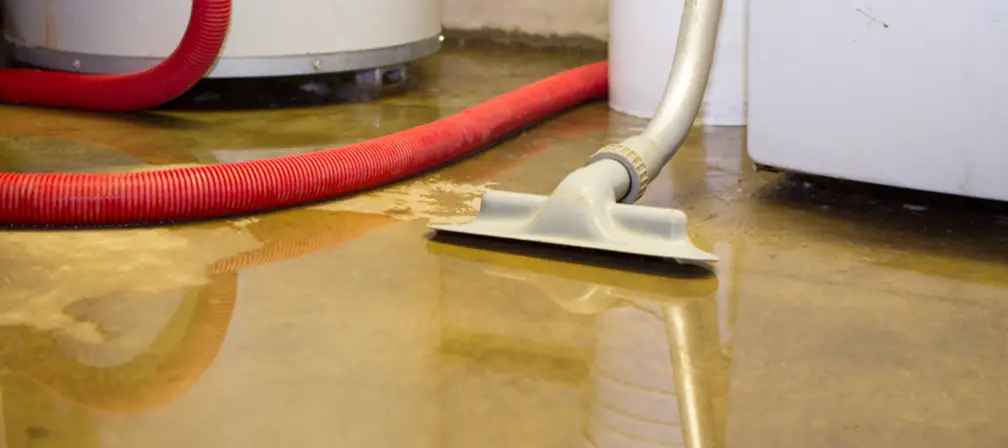
If the pump has already lost and water is standing, call it in. An emergency plumber in Rock Hill can be dispatched at any hour, and where water has already soaked into materials, water damage restoration in Rock Hill is the service that follows. The Rock Hill plumbing page covers everything else the local team handles.
Schedule Sump Pump and Backup Work in Rock Hill
Call 803-684-0082 to have the pump, the pit, the check valve and the discharge line looked at as one system, or schedule online for a time that suits you. Roto-Rooter answers 24/7, 365 days a year across York County, and provides on-site estimates before any work begins. Getting a backup fitted in a dry week is a great deal easier than arranging one by flashlight.

What a Battery Backup Sump Pump Does, and What It Does Not
The Pit Under the Floor, and What Reaches It