Pipe Lining Services
Roto-Rooter provides professional pipe lining services for commercial and residential sewer systems. Pipe lining is a trenchless, minimally invasive repair method that restores damaged pipes without major excavation. Using advanced equipment and decades of expertise, our technicians deliver long-lasting solutions that save time, money, and disruption.
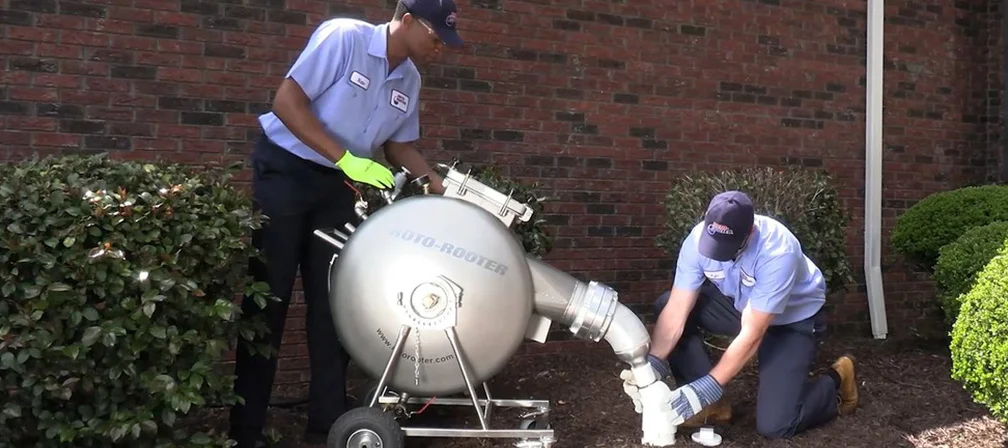
The Roto-Rooter Difference in Professional Pipe Lining and Relining
Why choose Roto-Rooter over other pipe lining companies?
- Experience – Trusted nationwide for over 90 years in sewer and drain repair.
- Expert Technicians – Trained in the latest pipe lining equipment and trenchless methods.
- Minimal Disruption – Repairs completed in hours, not days, with no large-scale digging. Usually just an access pit at both ends of the pipe.
- Durability – Epoxy liners and HDPE materials resist corrosion and root intrusion. Once cured, they’re as tough and reliable as a new PVC pipe.
- Transparent Pricing – Clear...
The Pipe Lining Process
Our trenchless process is designed to repair sewer lines quickly and effectively:
- Inspection – A video camera inspection of the length of the pipe identifies cracks, corrosion, or intrusions.
- Cleaning – Pipes are descaled and cleared of debris to allow for proper adhesion of the new liner.
- Lining Installation – A resin-saturated liner is inserted and inflated to form a seamless new interior pipe inside the old pipe.
- Curing – Heat or UV light cures the liner in place, creating a durable new pipe that is impervious to root intrusion and will provide reliable service for decades to come.
- Final Inspection – We confirm structural integrity and restored flow.
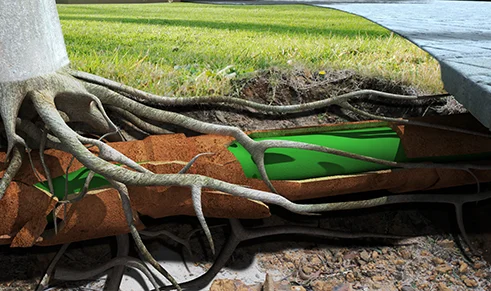
This cured-in-place pipe (CIPP) method avoids digging up landscaping, sidewalks, and driveways while extending the lifespan of your sewer system.
Pipe Lining and Relining Services
Pipe Lining vs. Replacement: How to Know What’s Right for You

Customer Reviews
We had a bad backup from our house all the way to the street to the manhole and another block out to the main street sewer system. They advised us to call city emergency services because it was a city problem. That guidance enabled us to get the problem resolved quickly - same day. Great service!!! Thank you! Wayne H
Always great service! The technician was very knowledgeable, efficient, and helpful in fixing our backed up sewer line. Price is reasonable too. This was my second time using Roto-Rooter for a plumbing emergency and they will continue to be my go-to. Meredith G
I called with an emergency with my main sewer pipe clogged. I had had it cleared twice in five days by another plumber. Amir was at my house in 3 hours, when they said he would be there, he was professional and did a very thorough job. When he was done I no longer had to worry about my pipes being clogged again. There was no mess left behind. Amir explained what he had done and answered my questions! joani j
Frequently Asked Questions
What are the disadvantages of pipe relining?
Disadvantages include higher upfront costs compared to excavation spot repairs, limited suitability for pipes with severe collapses or missing sections, and the need for proper descaling, cleaning and inspection of the original pipe before relining can be completed. Always consult an experienced pipe lining specialist to assess your drainage system.
Is pipe relining worth it?
Yes, pipe relining is worth it. It’s less invasive, faster, and because it prevents most collateral damage to landscaping, sidewalks, driveways, and trees, it is more cost-effective than traditional excavation for pipe replacement. When done by licensed professionals, pipe relining can extend the life of your pipes by 50 years or more.
What is pipe lining?
Pipe lining, also known as trenchless pipe relining, or cured-in-place piping, is a method of repairing damaged pipes by inserting a flexible resin-coated liner that hardens in place to form a brand new pipe inside the original. It restores pipe integrity without the need for full excavation, making it ideal for sewer and drain line repairs.