Water Leak Detection Services
Hidden leaks can cause thousands of dollars in damage, whether they occur in a family home or a commercial building. Roto-Rooter’s licensed professionals specialize in fast, accurate water leak detection for both residential and commercial properties, using advanced technology to locate leaks behind walls, under floors, in slabs, and even outdoors—without tearing apart your property.
For over 85 years, homeowners and businesses have trusted Roto-Rooter as their go-to leak detection company. Whether you’ve noticed a sudden spike in your water bill, damp patches on your walls, or unexplained mold growth, our team can find the source of the problem and repair it before it escalates.
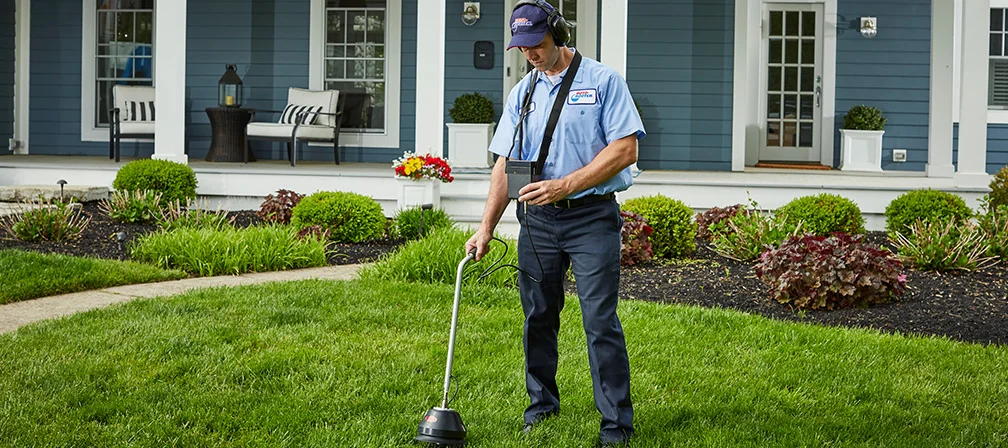
The Roto-Rooter Difference in Professional Leak Detection
Not all leak detection companies are created equal. Customers choose Roto-Rooter because:
- Nationwide Experience: Over nine decades serving millions of homeowners and businesses.
- Certified Technicians: All plumbers are trained in the latest plumbing leak detection standards and safety codes.
- Industry-Leading Equipment: From acoustic technology to digital leak detection devices, we use the most reliable tools available.
- 24/7 Emergency Service: Water leaks don’t follow a 9–5 schedule—we’re always available.
Guaranteed Workmanship: All services are backed by clear warranties and customer satisfaction guarantees.
The Leak Detection Process
At Roto-Rooter, leak detection is precise, non-invasive, and built on proven methods. We don’t rely on guesswork—we use professional-grade leak detection equipment to pinpoint leaks wherever they may be hiding.
Here’s what you can expect during a service call:
- Assessment: A licensed plumber will review your plumbing system and discuss symptoms you’ve noticed (low water pressure, running water sounds, foundation cracks, etc.).
- Advanced Testing: Using water leak detection devices like acoustic listening tools, infrared cameras, and moisture meters, we scan pipes, slabs, and hidden spaces.
- Pinpoint Location: Once a potential leak is identified, we confirm the exact source to avoid unnecessary digging or wall removal.
- Repair & Solutions: Our plumbing experts repair the leak on-site whenever possible and advise on preventative measures to protect your system.
This process saves time, reduces property damage, and restores peace of mind.

Leak Detection Services
Signs You Could Have a Leak
