Commercial Backflow Preventer: Installation & Services
Protecting your commercial property’s water supply isn’t just good business- it’s the law. Backflow occurs when contaminated water flows in reverse and enters clean water lines, putting your employees, customers, and community at risk. To keep your building compliant and safe, Roto-Rooter provides complete commercial backflow preventer installation, testing, inspection, and replacement services.
For more than 90 years, businesses nationwide have trusted Roto-Rooter to safeguard their plumbing systems with reliable backflow prevention solutions. Whether you operate a restaurant, healthcare facility, retail center, or industrial property, our licensed and backflow-certified plumbers ensure your system meets local codes and industry standards.
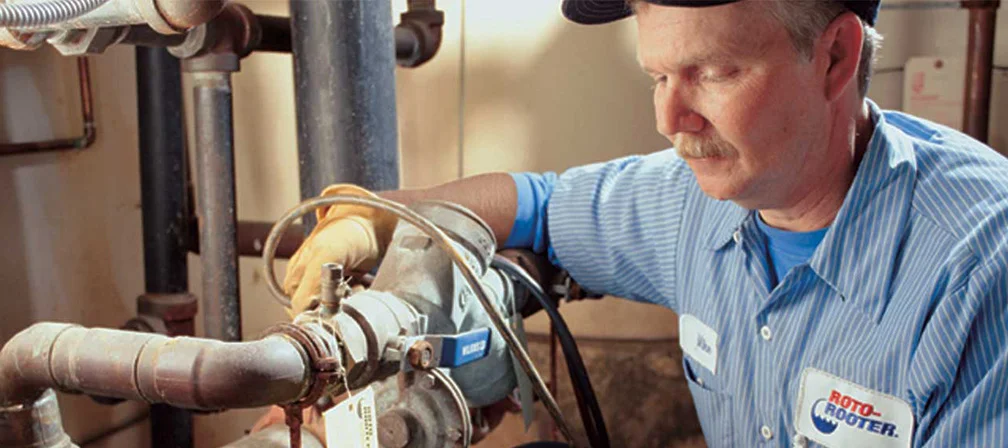
The Roto-Rooter Difference in Backflow Prevention Services
When it comes to protecting your water supply, you need a partner with proven expertise. Here’s why businesses choose Roto-Rooter for backflow prevention:
- Certified & Licensed Plumbers – All technicians are trained to meet state and local backflow prevention requirements.
- Nationwide Reach, Local Knowledge – Our teams understand regional codes and regulations that apply to your property type.
- Comprehensive Solutions – From installation to annual testing and emergency replacement, we handle it all.
- Industry Partnerships – We work with trusted manufacturers to install durable, code-compliant commercial backflow preventers.
Trusted for 90+ Years –...
Commercial Backflow Testing Process
Annual backflow testing is required by most municipalities to ensure your backflow prevention device is functioning properly. At Roto-Rooter, our process is fast, thorough, and minimally disruptive to your operations:
- Inspection & Setup – Our backflow-certified technician identifies the location and type of backflow preventer(s) on your property.
- Pressure Testing – We use calibrated gauges to verify that the valves are operating correctly and preventing reverse water flow.
- Compliance Documentation – Upon completion, we provide all necessary paperwork for your records and submit results to local authorities as required.
- Repair or Replacement – If your system fails testing, our team provides immediate repair options or installs a new backflow preventer to restore compliance.
With Roto-Rooter, you’ll never miss a required backflow inspection deadline or risk penalties for non-compliance.
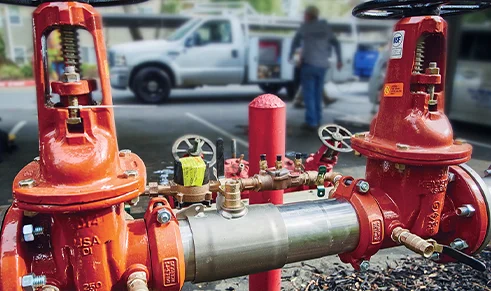
Backflow Prevention Services
Signs You Need a Backflow Preventer Replacement
