Leak Detection in Miami, FL
Limestone, Salt Air, and Tropical Humidity - Why Miami Properties Are Prone to Hidden Leaks
Miami is built on porous limestone bedrock with a high water table that sits just feet below the surface in many neighborhoods. This geological reality, combined with salt air corrosion, mineral-rich water, and tropical humidity, creates conditions where plumbing leaks develop faster and hide longer than in most American cities. A slab leak beneath a Miami home can saturate the limestone substrate without producing visible surface evidence for months, while the moisture feeds mold growth that thrives in the subtropical climate.
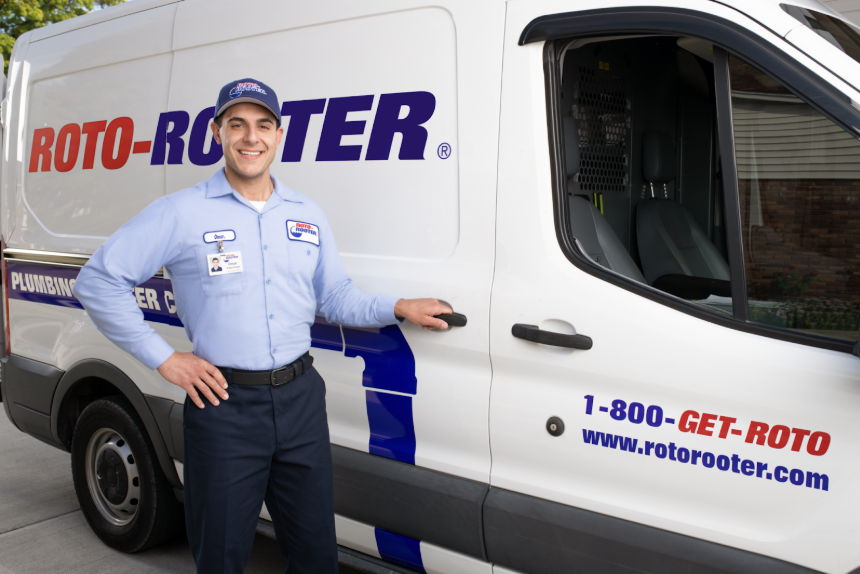
Roto-Rooter's experienced plumbing technicians use professional-grade leak detection equipment to locate hidden leaks without tearing apart walls, floors, or landscaping. Our approach pinpoints the exact source so repairs target the problem directly.
- Available 24/7, 365 days a year: Emergency and scheduled leak detection for residential and commercial properties throughout Miami-Dade County.
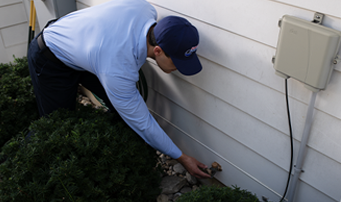
- Non-invasive detection methods: Roto-Rooter is fully licensed and insured with experienced plumbing technicians trained in acoustic, thermal, and pressure-based detection that preserves your home's interior and landscaping.
- Accurate location technology: Identifies slab leaks, underground line leaks, and hidden pipe failures without guesswork or unnecessary demolition.
Call Roto-Rooter at 305-535-2373 or schedule service online to locate and stop leaks fast.
How Miami's Environment Accelerates Pipe Failure
South Florida's unique geology, climate, and water chemistry create a combination of conditions that wear down plumbing systems faster than most regions of the country.
- Porous limestone bedrock: Miami sits on a layer of loose sand over porous oolitic limestone. This permeable foundation allows escaping water to disperse through the rock rather than pooling at the surface, masking leak indicators that would be visible in clay-based soil.
- High water table: The water table in many Miami neighborhoods sits just three to six feet below the surface. This proximity creates hydrostatic pressure on underground pipes and accelerates external corrosion on metallic supply lines.
- Salt air and coastal corrosion: Miami's coastal location exposes plumbing infrastructure to salt-laden air that accelerates corrosion on copper fittings, valves, and exposed connections. Properties within a few miles of the ocean experience noticeably faster pipe degradation.
- Mineral-rich water chemistry: The dissolved limestone in South Florida's water supply deposits mineral scale on every surface water touches. This buildup narrows pipe openings, increases pressure on joints, and creates internal corrosion points on copper supply lines.
- Aging pipe materials: Homes built before 1970 often contain galvanized steel pipes that corrode internally. Properties built during the 1980s and early 1990s may have polybutylene supply lines that become brittle and fail suddenly without warning.
Neighborhoods and Areas We Serve Across Miami
Roto-Rooter provides leak detection services to residential and commercial properties throughout Miami-Dade County. Each area faces distinct plumbing challenges based on proximity to the coast, construction era, and local geology.
- Coral Gables and Coconut Grove: Properties built during the 1920s and 1940s contain some of the oldest plumbing in South Florida. Original galvanized steel and early copper installations have endured decades of salt air exposure and mineral-rich water.
- Miami Beach and the barrier islands: Maximum salt air exposure combined with a water table that sits just feet below grade creates the most aggressive corrosion environment in the metro area. Pipes on the barrier islands corrode faster than anywhere else in Miami-Dade.
- Kendall and Pinecrest: Suburban development during the 1970s and 1980s used copper supply lines that have now endured 40 to 50 years of mineral-rich water. The limestone bedrock beneath these neighborhoods allows slab leaks to run undetected longer than on other soil types.
- Doral and Hialeah: Mixed commercial and residential development with properties spanning multiple construction eras. Industrial and commercial properties in these areas face aggressive leak challenges due to heavy plumbing usage combined with South Florida's corrosion factors.
Serving the entire Miami metro area, Including:
Counties in the Miami Metro Area
Protecting Your Miami Property
- Monitor your water bill: Miami-Dade Water and Sewer provides usage tracking. A sudden increase with no change in habits indicates a likely hidden leak.
- Watch for mold indicators: Miami's humidity means any hidden moisture source creates rapid mold growth. Musty odors, discolored walls, and unexplained allergic reactions can point to a hidden leak feeding mold behind walls.
- Inspect after hurricane season: Heavy rainfall and flooding events stress plumbing connections and can shift underground pipes. Schedule a post-storm inspection after significant weather events.
- Schedule annual leak inspections: A professional detection survey catches developing problems before they compromise your foundation or cause mold damage.
Same-Day Leak Detection in Miami
Call Roto-Rooter for Leak Detection in Miami - Available 24/7
Frequently Asked Questions
How long does a professional leak detection inspection take?
Most residential leak detection inspections take one to two hours depending on the size of the property and complexity of the plumbing system. Slab leak investigations may take longer if the leak is small or the water is migrating through the limestone substrate. Your Roto-Rooter technician provides findings and repair options on site.
How do I know if I have a hidden water leak in my Miami home?
Watch for unexplained increases in your water bill, the sound of running water when all fixtures are off, warm spots on tile or concrete floors, persistent musty odors, or discolored patches on walls and ceilings. In Miami's humid climate, mold growth from undetected leaks can spread rapidly behind walls and under slab foundations.
Can Roto-Rooter detect leaks without damaging my walls or flooring?
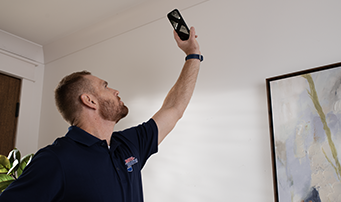
Yes. Our technicians use electronic amplification, acoustic listening devices, and thermal imaging to locate leaks behind walls, under slabs, and within ceiling cavities without cutting into surfaces. Once the leak is pinpointed, we make a targeted access point for repair rather than exploratory demolition.
Why are slab leaks hard to detect in Miami?
Miami homes built on concrete slab foundations sit directly on porous limestone. Water from a leaking pipe beneath the slab can migrate laterally through the rock rather than surfacing directly above the leak. This means the visible damage may appear several feet from the actual failure point, making professional electronic and acoustic detection equipment essential.
What pipe materials are at highest risk in Miami?
Polybutylene supply lines installed in Miami homes from the late 1970s through the mid-1990s are the highest risk. These gray plastic pipes become brittle from chlorine exposure in treated water and fail without warning. Cast iron drain pipes installed before 1975 also corrode from the inside in Miami's saltwater environment, thinning walls until leaks develop.
How does salt air affect my plumbing in Miami?
Salt-laden air and coastal humidity accelerate corrosion on exposed copper fittings, valve stems, and water heater connections. Over time, this surface corrosion works inward, weakening joints and creating pinhole leaks. Properties within a mile of the coast experience noticeably faster deterioration than inland homes.
SPECIAL FINANCING AVAILABLE
We have partnered with Synchrony Bank to offer financing options to make your plumbing repair expenses as convenient and stress-free as possible.