Drain Cleaning in Long Beach, CA
Salt Air, Sandy Soil, and Seven Decades of Pipe Wear
Long Beach sits where the Los Angeles River meets the Pacific, built on sandy alluvial soil that shifts beneath foundations and drain lines alike. Homes in Belmont Shore, California Heights, and Bixby Knolls date to the 1920s and 1930s, and many still rely on original clay tile or cast iron sewer laterals that have weathered nearly a century of coastal conditions. Salt-laden air corrodes metal pipes from the outside while hard water deposits mineral scale on the inside, making drain blockages a persistent reality for Long Beach homeowners.
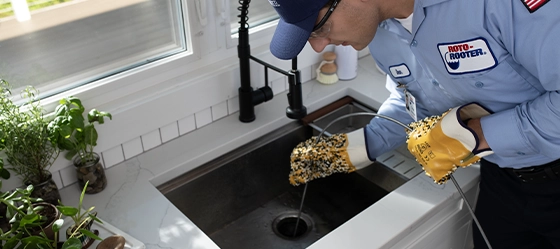
Roto-Rooter has provided professional drain cleaning since 1935. Our experienced plumbing technicians use professional-grade equipment to clear blockages and identify the underlying cause so the same problem does not return. Free on-site estimates and flexible financing options available.
Call 562-424-0025 or schedule service online.
What Makes Long Beach Drains Vulnerable
Long Beach maintains over 700 miles of sanitary sewer lines, and the private laterals connecting homes to that system face a unique set of pressures. Sandy alluvial soil settles gradually, creating low spots in underground pipes. Coastal humidity accelerates corrosion in cast iron and galvanized steel. And mature street trees - particularly ficus and magnolia - send aggressive lateral root networks directly into cracked pipe joints.
- Tree root intrusion: Ficus trees throughout Bixby Knolls and California Heights produce dense lateral root networks that grow horizontally near the surface. These roots exploit cracks in aging clay tile sewer laterals, forming thick root masses that trap grease and debris until flow stops completely.
- Mineral scale and hard water buildup: Long Beach water hardness runs between 230 and 290 parts per million. That elevated calcium and magnesium content deposits mineral scale inside drain pipes year after year, narrowing the effective diameter and creating rough surfaces where grease accumulates faster.
- Coastal pipe corrosion: Salt air penetrates the ground in Belmont Shore, Naples Island, and Alamitos Beach. Cast iron pipes corrode from both exterior salt exposure and interior moisture, thinning pipe walls until they crack or collapse.
- Pipe belly and settling: Sandy alluvial soil compacts unevenly over decades, creating low spots where wastewater pools and sediment collects. Homes near the coast and along former marshland are especially prone to sagging drain lines.
- Offset and separated joints: Soil settling, seismic activity, and nearby construction shift pipe sections out of alignment. Each offset joint becomes a collection point for grease, hair, and debris.
Call 562-424-0025 or book online for a professional assessment.
Long Beach Neighborhoods and Their Drain Challenges
Our drain cleaning technicians respond across Long Beach with fully equipped service vehicles, and each neighborhood presents its own set of conditions.
- Belmont Shore and Naples Island: Waterfront homes built in the 1920s and 1930s sit on sandy fill near sea level. Salt exposure accelerates pipe corrosion, and high water tables saturate the soil around drain lines. Many properties still have original clay tile laterals.
- Bixby Knolls and California Heights: Homes built between the 1920s and 1940s line streets shaded by mature ficus and magnolia trees. Root intrusion into clay sewer laterals is the primary drain issue, compounded by galvanized steel supply lines that corrode and restrict flow.
- Alamitos Beach and Bluff Park: Early 20th-century construction with a mix of original pipe materials. Coastal proximity means elevated corrosion rates, and hillside terrain in Bluff Park creates drainage patterns that stress pipe connections.
- Lakewood Village and Wrigley: Mid-century homes with cast iron drain systems reaching the end of their effective lifespan. Hard water scale compounds with decades of interior corrosion to narrow pipe diameters.
Preventing Drain Problems in a Coastal City
Long Beach homeowners can reduce drain blockages with consistent practices tailored to local conditions.
- Schedule annual drain maintenance: Properties with mature trees near sewer lines or pre-1970 pipe materials benefit most. Homes with recurring root intrusion may need service every six months to stay ahead of regrowth.
- Keep grease out of drains: Cooking grease solidifies inside cool pipes and bonds with mineral scale. Wipe pans with paper towels and dispose of grease in the trash.
- Use drain screens: Mesh screens over shower, tub, and sink drains catch hair and debris before they enter the pipe system.
- Know your pipe material: If your home was built before 1970, you likely have clay tile or cast iron drain lines. A camera inspection establishes a baseline and identifies sections needing attention.
- Watch for early warning signs: Slow drains in multiple fixtures, gurgling sounds, and sewage odors from floor drains indicate a developing blockage deeper in the system. Addressing these early prevents backups and water damage.
Serving the entire Long Beach metro area, Including:
Counties in the Long Beach Metro Area
Drain Emergency Steps and What to Expect
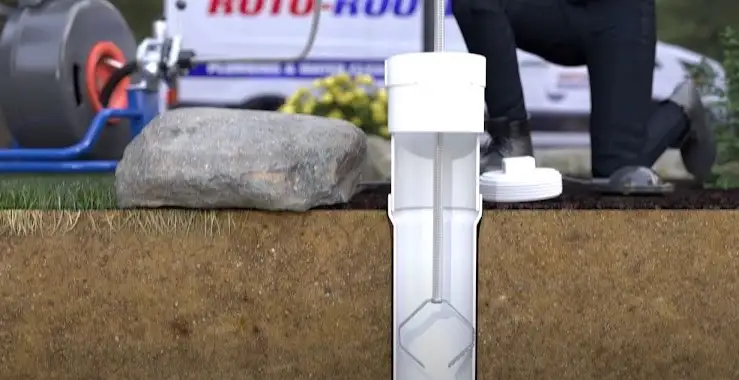
A backed-up drain can escalate quickly. Stop using water, check whether multiple fixtures are affected, and call 562-424-0025. Most Long Beach homes have a cleanout access point in the yard - a white PVC or cast iron cap near the foundation - that can relieve pressure while you wait.
When the technician arrives, the process follows a clear sequence: camera inspection to locate the blockage, professional cleaning with the right tool for the job, and a second camera pass to verify the line is fully clear. All services include a free on-site estimate with transparent pricing. Financing options are available for larger repairs.
Same-Day Drain Cleaning in Long Beach
SPECIAL FINANCING AVAILABLE
We have partnered with Synchrony Bank to offer financing options to make your plumbing repair expenses as convenient and stress-free as possible.