Leak Detection in Las Vegas, NV
Desert Heat, Hidden Water Loss - Tracking Down Leaks in the Driest Major City in America
Las Vegas receives barely four inches of rain per year, and the Southern Nevada Water Authority enforces strict conservation measures that make every gallon count. A hidden plumbing leak wastes water the valley cannot afford to lose and drives up utility bills that already reflect tiered pricing for high usage. The dry desert soil compounds the problem by absorbing escaping water before it reaches the surface, allowing leaks to run undetected for months while damaging foundations and saturating the caliche beneath your property.
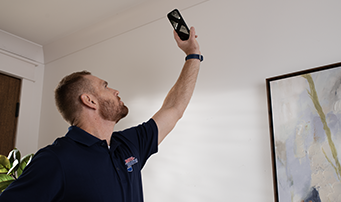
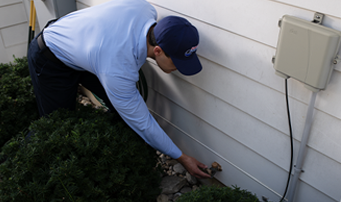
Roto-Rooter's experienced plumbing technicians use professional-grade leak detection equipment to locate hidden leaks without tearing apart walls, floors, or landscaping. Our approach pinpoints the exact source so repairs target the problem directly.
- Available 24/7, 365 days a year: Emergency and scheduled leak detection for residential and commercial properties throughout the Las Vegas Valley.
- Non-invasive detection methods: Roto-Rooter is fully licensed and insured with experienced plumbing technicians trained in acoustic, thermal, and pressure-based detection that preserves your home's interior and desert landscaping.
- Accurate location technology: Identifies slab leaks, underground line leaks, and hidden pipe failures without guesswork or unnecessary demolition.
Call Roto-Rooter at 702-931-3831 or schedule service online to locate and stop leaks fast.

How the Mojave Desert Punishes Plumbing Systems
Las Vegas sits in the Mojave Desert on a valley floor composed of caliche, compacted sand, and rocky fill. The extreme heat, mineral-heavy water, and rapid temperature swings create conditions that stress pipes, fittings, and slab connections year-round.
- Extreme heat expansion: Summer surface temperatures above 150 degrees Fahrenheit heat the soil surrounding underground pipes. Copper and PVC supply lines expand in this heat and contract during cooler overnight temperatures, weakening joints and fittings through repeated thermal cycling.
- Mineral-rich hard water: Southern Nevada's water supply from Lake Mead carries high levels of calcium, magnesium, and other dissolved minerals. These deposits build scale inside pipes, narrowing the opening, increasing pressure, and corroding copper fittings from the inside out.
- Porous desert soil: The sandy, porous soil beneath most Las Vegas properties absorbs escaping water before it surfaces, masking leak indicators that would be visible in clay-heavy regions. A slab leak can run for months without creating obvious wet spots.
- Soil settlement and shifting: The compacted desert floor beneath older developments settles unevenly as properties age. This movement stresses underground pipes and pulls slab-embedded connections out of alignment.
- Rapid winter temperature drops: While Las Vegas winters are mild by national standards, overnight temperatures can drop into the low 30s during December and January. Exposed pipes in garages and exterior walls are vulnerable to freeze damage during these cold snaps.
Neighborhoods and Areas We Serve Across Las Vegas
Roto-Rooter provides leak detection services to residential and commercial properties throughout the Las Vegas Valley. Each area presents plumbing challenges shaped by its construction era, soil composition, and infrastructure age.
- Downtown and Huntridge: Properties built during the 1940s and 1950s contain some of the oldest plumbing infrastructure in the valley. Galvanized steel and early copper supply lines have been exposed to decades of hard water mineral buildup and soil movement.
- Spring Valley and The Lakes: Rapid development during the 1980s and 1990s used construction-era pipe materials now approaching the end of their expected lifespan. Polybutylene supply lines installed during this period become brittle in desert heat and fail without warning.
- Summerlin: Newer master-planned development uses modern materials, but the rocky desert soil creates challenges for underground line installation and long-term pipe stability. Settlement cracks in newer slabs can stress embedded supply lines.
- Henderson and Green Valley: Mixed-era construction means plumbing conditions vary significantly between neighborhoods. Properties built during the construction boom of the early 2000s may already show signs of mineral scale buildup and thermal cycling fatigue.
Operated as an Independent Contractor - All available services, hours of operations, pricing structure, and guarantees may vary by location
Serving the entire Las Vegas metro area, Including:
Counties in the Las Vegas Metro Area
Signs of a Hidden Leak in Your Las Vegas Property
- Unexplained water bill spikes: The SNWA's tiered rate structure amplifies the cost of wasted water. A sudden increase with no change in usage habits often points to a hidden leak.
- Hot spots on flooring: A hot water supply line leak beneath a slab creates warm patches on tile or engineered flooring - particularly noticeable in air-conditioned Las Vegas homes.
- Meter movement with water off: Turn off all water inside and outside your home, then watch the meter dial. Continued movement confirms an active leak somewhere in your plumbing system.
- Cracks in walls or foundation: Water saturating the soil beneath your slab causes uneven swelling that can crack drywall, shift door frames, and create uneven flooring.
- Irrigation system water loss: Desert landscaping relies on drip irrigation and sprinkler systems that degrade under extreme UV exposure and temperature cycling. Broken connections and cracked lines waste significant water.
Protecting Your Property in Las Vegas Climate
- Monitor irrigation systems regularly: Drip lines, sprinkler heads, and buried irrigation connections degrade quickly under desert UV and heat. Inspect and replace worn components before each irrigation season.
- Insulate exposed pipes for winter: Pipes in garages, exterior walls, and pool equipment areas are vulnerable during December and January cold snaps. Pipe insulation prevents the freeze damage that leads to burst or leaking pipes.
- Watch your water bill trends: The SNWA provides usage tracking tools that flag consumption spikes. Reviewing monthly trends catches slow leaks before they cause structural damage.
- Schedule annual leak inspections: A professional detection survey identifies developing problems before they compromise your foundation or waste thousands of gallons.
Same-Day Leak Detection in Las Vegas
Call Roto-Rooter for Leak Detection in Las Vegas - Available 24/7
Frequently Asked Questions
How long does a professional leak detection inspection take?
Most residential leak detection inspections take one to two hours depending on the size of the home and plumbing complexity. Slab leak detection may require additional time for acoustic mapping and pressure testing. Our technicians arrive with all necessary equipment on every service call.
Does Roto-Rooter offer leak detection for commercial properties in Las Vegas?
Yes. Roto-Rooter provides leak detection for commercial buildings, retail centers, restaurants, and industrial facilities throughout the Las Vegas Valley. Commercial properties face the same hard water and desert soil challenges as residential homes, often with larger and more complex plumbing systems that require specialized detection approaches.
Why is leak detection harder in desert soil?
Las Vegas sits on porous sandy soil and caliche that absorbs escaping water before it reaches the surface. A leak that would create a visible wet spot in clay soil can run undetected for months in desert conditions. Professional detection equipment using acoustic and thermal technology locates these hidden leaks without relying on surface evidence.
How do I know if I have a hidden water leak in my Las Vegas home?
Common signs include unexplained increases in your water bill, hot spots on flooring, the sound of running water when all fixtures are off, and new cracks in walls or foundation. Check your water meter with all water turned off - if the dial continues to move, call Roto-Rooter at 702-931-3831 for professional leak detection.
How does Las Vegas hard water damage pipes?
Lake Mead water carries elevated calcium, magnesium, and dissolved minerals that deposit scale inside pipes over time. This scale narrows the pipe opening, increases pressure on fittings and joints, and creates corrosion points on copper supply lines. Properties with older copper piping are particularly vulnerable to mineral-related failures.
Why are slab leaks so common in Las Vegas?
Most Las Vegas homes are built on concrete slab foundations with copper supply lines running beneath the concrete. The desert soil settles unevenly over time, shifting the slab and stressing pipe connections. Hard water mineral buildup also corrodes copper pipes from the inside, thinning pipe walls until pinhole leaks develop.
Can Roto-Rooter detect leaks without damaging my home?
Yes. Our experienced plumbing technicians use acoustic sensors, thermal imaging cameras, and pressure testing to locate leaks non-invasively. These methods pinpoint the exact leak location so any necessary repair access is limited to the smallest possible area.
SPECIAL FINANCING AVAILABLE
We have partnered with Synchrony Bank to offer financing options to make your plumbing repair expenses as convenient and stress-free as possible.