Drain Cleaning in Grand Rapids, MI
Clay-Rich Soil, Lake Effect Snow, and Aging Pipes Keep Grand Rapids Drains Under Pressure
Grand Rapids receives 37 inches of rain and more than 64 inches of snow each year, and that precipitation meets clay-rich soil that retains water, swells during freeze-thaw cycles, and puts constant pressure on aging underground pipes. The soil beneath established neighborhoods like Heritage Hill, Creston, and Eastown is a mixture of sandy loam with clay that expands and contracts with moisture changes - a condition called soil heave that displaces pipe joints and creates cracks.
Many homes in these historic neighborhoods have aging sewer laterals made of clay tile or cast iron that have absorbed decades of this soil movement. Combined with root intrusion from mature maples, oaks, and elms, these conditions turn minor blockages into serious backups. Basement flooding is more common than many Grand Rapids homeowners realize, especially during severe weather events.
Roto-Rooter has provided professional drain cleaning across Grand Rapids since 1935. Our experienced plumbing technicians clear blockages in clay tile, cast iron, and modern PVC systems. Free on-site estimates available.
Call 616-233-9188 or schedule service online.
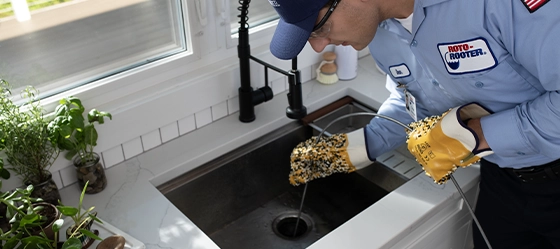
Drain Problems That Hit West Michigan Homes Hardest
Grand Rapids' clay-heavy soil, harsh winters, and aging infrastructure create a perfect storm for drain problems. Basement flooding ranks among the most common plumbing emergencies in the region, especially in low-lying areas near the Grand River.
- Freeze-thaw pipe displacement: Grand Rapids' winters drive frost deep into clay soil, and repeated freeze-thaw cycles shift pipe joints out of alignment. Each season creates new cracks and widens existing damage in aging clay tile and cast iron connections.
- Tree root intrusion: Mature maples, oaks, and elms across Heritage Hill, Creston, and Eastown push roots into deteriorated pipe joints. Root masses grow aggressively during warm months and persist through winter dormancy.
- Basement drain backups: Heavy rain and spring snowmelt overwhelm older drainage infrastructure, especially in low-lying areas near Roosevelt Park and South Hill. Water rises through basement floor drains when the main sewer line is partially blocked.
- Clay tile sewer lateral deterioration: Many Grand Rapids homes, particularly in East Grand Rapids, still have original clay sewer laterals plagued by roots, corrosion, and offset joints after decades of service under shifting soil.
- Grease solidification: Kitchen drain lines accumulate cooking grease that solidifies in Michigan's cold winters, creating stubborn blockages that persist until professionally removed.
Call 616-233-9188 or book online for a professional assessment.
Grand Rapids Neighborhoods Served by Roto-Rooter
Our drain cleaning technicians respond across Grand Rapids and surrounding Kent County communities with fully equipped service vehicles.
- Heritage Hill and East Hills: Historic homes built in the late 1800s and early 1900s with original cast iron and clay tile drain systems. Mature tree canopies and century-old infrastructure create frequent root intrusion and pipe deterioration challenges.
- Creston and Eastown: Established mid-century neighborhoods where aging sewer laterals are vulnerable to shifting clay soil and freeze-thaw damage. Root intrusion drives recurring service calls.
- Roosevelt Park and South Hill: Low-lying neighborhoods near the Grand River where basement flooding is most common during severe weather events and spring snowmelt.
- East Grand Rapids and Kentwood: Suburban neighborhoods where original clay sewer laterals have served for decades and are now approaching the end of their expected lifespan.
- Extended coverage: Wyoming, Walker, Grandville, Jenison, Byron Center, and surrounding Kent County communities.
What to Do When You Have a Drain Emergency
A backed-up drain can flood your basement within minutes, especially during spring thaw when the ground is saturated. These steps help minimize damage before a technician arrives.
- Stop using water: Turn off faucets, dishwashers, and washing machines to prevent the backup from worsening.
- Check your basement: If water is rising through basement floor drains, the blockage is likely in the main sewer line. Move valuables off the floor immediately.
- Verify your sump pump: Confirm the sump pump is running and the discharge line is clear and not frozen. A frozen discharge line is common in West Michigan winters.
- Call 616-233-9188: Roto-Rooter responds 24/7, 365 days a year across Grand Rapids with equipped service vehicles ready to clear the blockage on the first visit.
Operated as an Independent Contractor - All available services, hours of operations, pricing structure, and guarantees may vary by location
Serving the entire Grand Rapids metro area, Including:
Counties in the Grand Rapids Metro Area
Financing Options for Grand Rapids Drain Cleaning
Roto-Rooter offers financing for qualifying drain cleaning and sewer services in Grand Rapids. When a cleaning reveals pipe deterioration or root damage requiring repair, financing helps cover the cost without delay. Ask your technician about available plans, or call 616-233-9188 for details.
What to Expect During Drain Cleaning Service
- Diagnosis first: The technician inspects affected drains and determines the likely cause based on your home's age, pipe material, and seasonal conditions.
- Camera inspection: A fiber-optic camera goes into the drain line to show the exact location and nature of the blockage. You can watch the live feed.
- Professional cleaning: The technician selects the right tool - cable machine for root masses, hydro jetting for grease and mineral scale, or a combination for severe blockages.
- Verification: A second camera pass confirms the blockage is fully cleared. If damage requiring repair is found, you receive a written estimate with financing options.
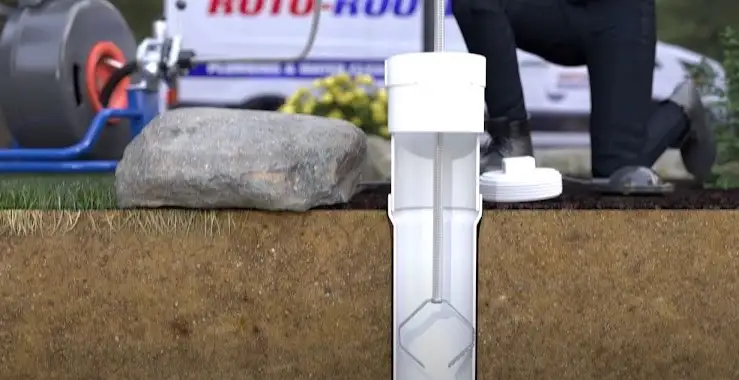
Same-Day Drain Cleaning in Grand Rapids
Frequently Asked Questions
Will hydro jetting damage my older pipes?
Roto-Rooter technicians adjust water pressure based on pipe material and condition. For older clay tile or cast iron pipes, lower pressure settings effectively remove buildup without damage. A camera inspection before jetting confirms the pipe integrity.
Does Roto-Rooter handle commercial drains in Grand Rapids?
Roto-Rooter provides commercial drain cleaning for restaurants, office buildings, and retail spaces across Grand Rapids. Our commercial equipment handles lines up to 10 inches in diameter with scheduled maintenance programs available.
How long does drain cleaning take?
Most residential drain cleaning jobs take 30 to 90 minutes. Main sewer line cleanings with camera inspection typically take one to two hours.
Why does my basement flood during heavy rain?
Grand Rapids' clay soil retains water rather than absorbing it. During heavy rain or snowmelt, groundwater rises and overwhelms basement floor drains. A partially blocked main sewer line compounds the problem. Professional drain cleaning keeps the main line clear to reduce basement flooding risk.
How does Michigan's winter affect my drains?
Frost penetrates deep into clay soil, and the repeated freeze-thaw cycle shifts pipe joints and widens cracks. Grease solidifies faster in cold pipes. Spring snowmelt then floods the system through damaged connections. Pre-winter drain cleaning helps prevent the worst seasonal problems.
How often should Grand Rapids homeowners clean their drains?
Annual cleaning is recommended, ideally before winter. Homes with mature trees near sewer lines or pre-1970 clay tile pipes may benefit from cleaning twice per year.
What causes recurring drain clogs in Grand Rapids?
Tree root intrusion and freeze-thaw pipe displacement are the leading causes. Roots regrow after each cleaning, and each winter's freeze-thaw cycle creates new entry points. A camera inspection identifies the specific cause.
SPECIAL FINANCING AVAILABLE
We have partnered with Synchrony Bank to offer financing options to make your plumbing repair expenses as convenient and stress-free as possible.