Drain Cleaning in Des Moines, IA
Iowa Clay, Freeze-Thaw Cycles, and Basement Drains Keep Des Moines Plumbing Busy
Des Moines sits on heavy Iowa clay soil that holds water rather than draining it, creating persistent moisture around underground pipes. When spring arrives with snowmelt falling on already-saturated ground, groundwater rises and basement flooding becomes a real threat across the city's established neighborhoods. The freeze-thaw cycles between November and March compound the problem - soil expands when frozen, contracts when thawed, and shifts pipe joints with each cycle.
Many homes in Beaverdale, Drake, and Sherman Hill still rely on clay tile or cast iron drain pipes installed during Des Moines' post-war expansion. Those aging materials are especially vulnerable to the soil movement and root intrusion that define Central Iowa drainage challenges. Mature elms and oaks lining residential streets push roots into cracked joints, and the roots regrow aggressively in Iowa's humid summers.
Roto-Rooter has provided professional drain cleaning across Des Moines since 1935. Our experienced plumbing technicians clear blockages in clay tile, cast iron, and modern PVC systems.
Call 515-278-5668 or schedule service online.
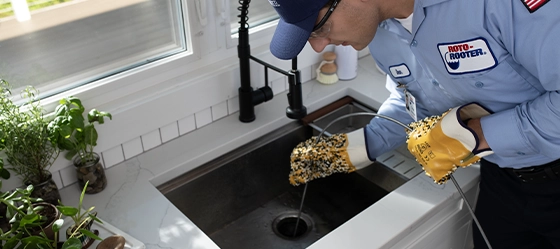
Drain Challenges That Define Des Moines Homes
Des Moines' clay soil, seasonal extremes, and aging infrastructure create drain problems that store-bought solutions cannot resolve. Homes with basements face additional risk during spring thaw and heavy rain events when groundwater rises and overwhelms residential drain capacity.
- Tree root intrusion: Mature elms, oaks, and maples across Beaverdale, Waveland Park, and Ingersoll Park push roots into aging clay tile and cast iron joints. Iowa's humid summers drive aggressive root growth that can fill a pipe within a single growing season.
- Clay pipe deterioration: Homes built during Des Moines' post-war expansion typically have clay tile sewer connections that crack, shift, and collapse under decades of freeze-thaw stress. These deteriorated pipes trap debris and restrict flow.
- Basement drain backups: High groundwater during spring snowmelt overwhelms basement floor drains and sump systems. When the main sewer line is partially blocked, basement drains become the lowest point for backup water.
- Cast iron corrosion: Older homes in Sherman Hill, Drake, and South of Grand have cast iron drain stacks that corrode internally, narrowing pipe diameter and creating rough surfaces where grease and debris accumulate.
- Grease and mineral buildup: Kitchen drain lines accumulate cooking grease that hardens in cold Iowa winters, creating blockages that persist until professionally removed.
Call 515-278-5668 or book online for a professional assessment.
Des Moines Neighborhoods Served by Roto-Rooter
Our drain cleaning technicians respond across Des Moines and surrounding communities with fully equipped service vehicles.
- Beaverdale and Waveland Park: Mid-century homes with mature elm and oak canopies. Tree root intrusion into aging clay tile pipes is the primary concern, and basement drains face backup risk during heavy rain.
- Sherman Hill and Drake: Historic homes built in the late 1800s and early 1900s with original cast iron drain stacks. Pipe corrosion and root intrusion drive most service calls in these walkable neighborhoods.
- Ingersoll Park and South of Grand: Established residential areas where aging infrastructure meets dense landscaping. Grease buildup and pipe deterioration create recurring drain challenges.
- Merle Hay and Urbandale corridor: Post-war neighborhoods where clay pipe connections are approaching the end of their expected lifespan and freeze-thaw damage is accelerating deterioration.
- Extended coverage: West Des Moines, Ankeny, Johnston, Waukee, Clive, Windsor Heights, and surrounding Polk County communities.
What to Do When You Have a Drain Emergency
A backed-up drain can cause basement flooding within minutes, especially during spring thaw when the ground is already saturated. These steps help minimize damage before a technician arrives.
- Stop using water: Turn off faucets, dishwashers, and washing machines to prevent the backup from worsening.
- Check your basement: If water is coming up through basement floor drains, the blockage is likely in the main sewer line. Move valuables off the floor if possible.
- Verify your sump pump: Make sure the sump pump is running and the discharge line is clear. A failed sump pump during high groundwater compounds drainage problems.
- Call 515-278-5668: Roto-Rooter responds 24/7, 365 days a year across Des Moines with equipped service vehicles ready to clear the blockage on the first visit.
Operated as an Independent Franchise - All available services, hours of operations, pricing structure, and guarantees may vary by location
Serving the entire Des Moines metro area, Including:
Counties in the Des Moines Metro Area
Financing Options for Des Moines Drain Cleaning
Roto-Rooter offers financing for qualifying drain cleaning and sewer services in Des Moines. When a cleaning reveals pipe deterioration or root damage requiring repair, financing helps cover the cost without delay. Ask your technician about available plans, or call 515-278-5668 for details.
What to Expect During Drain Cleaning Service
- Diagnosis first: The technician inspects affected drains and determines the likely cause based on your home's age, pipe material, and seasonal conditions.
- Camera inspection: A fiber-optic camera goes into the drain line to show the exact location and nature of the blockage. You can watch the live feed.
- Professional cleaning: The technician selects the right tool - cable machine for root masses, hydro jetting for grease and mineral scale, or a combination for severe blockages.
- Verification: A second camera pass confirms the blockage is fully cleared. If damage requiring repair is found, you receive a written estimate with financing options.
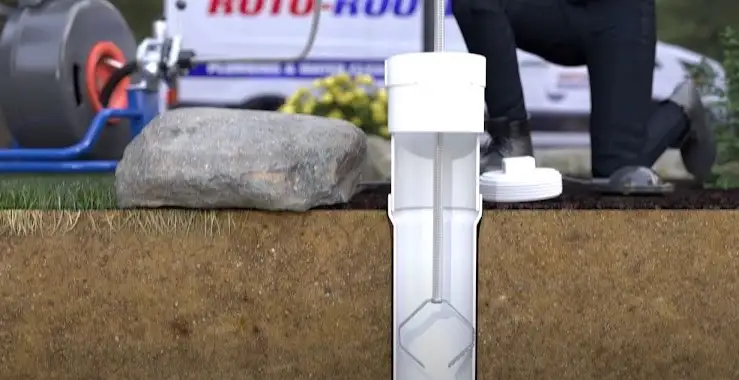
Same-Day Drain Cleaning in Des Moines
Frequently Asked Questions
Does Roto-Rooter handle commercial drains in Des Moines?
Roto-Rooter provides commercial drain cleaning for restaurants, office buildings, and retail spaces across Des Moines. Our commercial equipment handles lines up to 10 inches in diameter with scheduled maintenance programs available.
How long does drain cleaning take?
Most residential drain cleaning jobs take 30 to 90 minutes. Main sewer line cleanings with camera inspection typically take one to two hours.
How often should Des Moines homeowners clean their drains?
Annual cleaning is recommended, ideally before spring snowmelt season. Homes with mature trees near sewer lines or pre-1970 clay tile pipes may benefit from cleaning every six months.
How does Iowa's climate affect my drains?
Freeze-thaw cycles shift clay soil around pipes each winter, displacing joints and creating cracks. Cold winters harden grease inside pipes. Spring snowmelt raises groundwater that enters damaged connections. These seasonal pressures make annual drain maintenance essential.
Will hydro jetting damage my older pipes?
Roto-Rooter technicians adjust water pressure based on pipe material and condition. For older clay tile or cast iron pipes, lower pressure settings effectively remove buildup without damage. A camera inspection before jetting confirms the pipe can handle the process.
Why does my basement drain back up during heavy rain?
When groundwater rises during spring snowmelt or heavy rain, basement floor drains become the lowest point in your plumbing system. A partially blocked main sewer line compounds the problem. Professional drain cleaning keeps the main line clear so water flows out rather than backing up into your basement.
What causes recurring drain clogs in Des Moines?
Tree root intrusion and clay pipe deterioration are the leading causes. Roots regrow after each cleaning, and freeze-thaw cycles progressively damage clay tile joints. A camera inspection identifies the specific cause so you can address it permanently.
SPECIAL FINANCING AVAILABLE
We have partnered with Synchrony Bank to offer financing options to make your plumbing repair expenses as convenient and stress-free as possible.