Drain Cleaning in Cleveland, OH
Glacial Clay and Lake Effect Winters Take a Toll on Cleveland Drains
Cleveland sits on glacial till - dense clay that holds moisture against buried pipes and foundations. That saturated clay expands with frost heave, then contracts during thaws, shifting underground drain lines with every temperature swing. Cuyahoga County's frost line reaches 42 inches deep, putting shallow connections and aging joints under constant stress.
In Tremont, Ohio City, and Detroit Shoreway, Victorian-era homes still run on original clay tile and cast iron drain lines. Clogged and slow drains are a predictable result of the local geology.
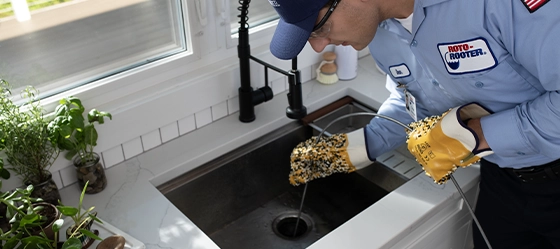
Roto-Rooter's experienced plumbing technicians use professional-grade equipment to clear blockages and identify the root cause so the same problem does not return. Free on-site estimates available.
Call 216-226-4506 or schedule service online. Financing available for qualifying customers.
What Clogs Cleveland Drains
Glacial clay soil, century-old infrastructure, and a combined sewer system managed by NEORSD create conditions that overwhelm residential drain systems.
- Tree root intrusion: Roots penetrate cracks in aging clay tile pipes. Cleveland's mature silver maples and oaks in Tremont, West Park, and Old Brooklyn form dense mats that worsen each growing season.
- Freeze-thaw pipe damage: Ohio winters push frost 42 inches deep, shifting glacial clay around buried pipes, cracking joints, and pulling cast iron connections apart. Pre-1950 homes are especially vulnerable.
- Grease and mineral scale buildup: Lake Erie water measures 125 PPM hardness. Calcium and magnesium deposit scale inside drain pipes, narrowing the diameter where grease and food waste accumulate.
- Combined sewer surcharge: During heavy rain or snowmelt, Cleveland's combined sewer system reaches capacity, forcing sewage back through residential connections into basement floor drains.
- Pipe deterioration and collapse: Cast iron corrodes from the inside out over decades. Slavic Village and the Stockyards still have original drain materials nearing a century of use.
- Basement floor drain backups: Cleveland's high water table and spring snowmelt push groundwater against foundations, making basement flooding one of the most common drain emergencies in Cuyahoga County.
Call 216-226-4506 or book online for a professional assessment.
Cleveland Neighborhoods Served by Roto-Rooter Drain Cleaning
Our drain cleaning technicians respond across Cuyahoga County with fully equipped service vehicles ready to handle any blockage on the first visit.
- Tremont and Ohio City: Victorian-era homes with original clay tile sewer laterals. Root intrusion, freeze-thaw joint separation, and combined sewer backups are common.
- Detroit Shoreway and Edgewater: Early 1900s housing along Lake Erie. Proximity to the lake raises groundwater pressure, and aging cast iron drain stacks need periodic clearing.
- Old Brooklyn and West Park: Bungalows and colonials built in the 1920s and 1940s with mature tree coverage. Many homes still run on original drain infrastructure approaching a century of service.
- Slavic Village and the Stockyards: Some of Cleveland's oldest plumbing. Pipe deterioration and sewer surcharge drive frequent drain emergencies.
- University Circle and Shaker Square: Grand early 1900s residences with mature tree canopies that create persistent root intrusion pressure on aging drain lines.
Drain Emergency Steps for Cleveland Homeowners
A backed-up drain can escalate quickly during a lake-effect storm or spring thaw. These steps help minimize damage before a technician arrives.
- Stop using water: Turn off faucets, dishwashers, and washing machines to prevent the backup from spreading further.
- Check other fixtures: If multiple drains back up at once, the blockage is in the main sewer line or lateral.
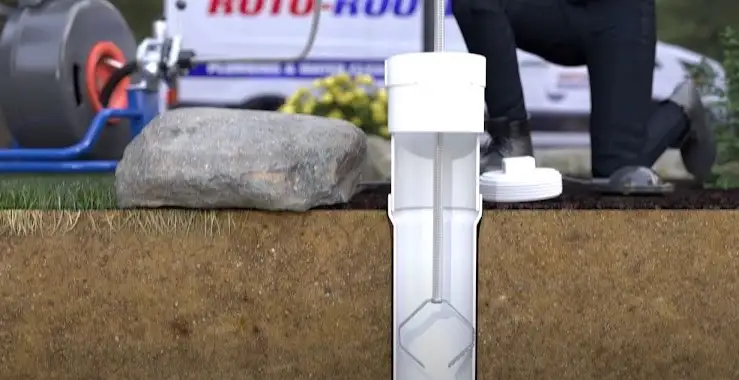
- Locate the cleanout: Most Cleveland homes have a cleanout in the basement or yard - a PVC or cast iron cap on a short pipe. Opening it can relieve pressure.
- Protect the basement: Move belongings away from floor drains. Verify your sump pump is running and the discharge line is clear.
- Call 216-226-4506: Roto-Rooter responds 24/7, 365 days a year across Cuyahoga County with fully equipped service vehicles ready to clear the blockage on the first visit.
Serving the entire Cleveland metro area, Including:
Counties in the Cleveland Metro Area
Keeping Cleveland Basements Dry Through Every Season
Basement drain backups rank among the most urgent calls Roto-Rooter handles in Cleveland. The combined sewer system means lake-effect rainstorms and snowmelt can overwhelm municipal pipes, pushing sewage back into homes. NEORSD's Project Clean Lake has reduced overflows, but individual drain maintenance remains essential.
- Backwater valve inspection: A functioning backwater valve prevents sewer surges from entering your home. Our technicians inspect valves and clear debris that prevents sealing.
- Floor drain maintenance: Basement floor drains collect sediment and debris that restrict flow during heavy weather. Regular cleaning keeps these drains clear when it counts.
- Sump pump drain lines: Discharge lines can freeze during Cleveland winters or clog with mineral deposits. Clearing them ensures your sump system works when groundwater rises.
- Preventive main line cleaning: Annual clearing removes root growth and buildup before it creates a blockage.
Call 216-226-4506 to discuss basement drain protection options. Financing available for qualifying customers.
What to Expect During Your Service Visit
- Diagnosis first: The technician inspects affected drains based on your home's age, pipe material, and local conditions.
- Camera inspection: A fiber-optic camera reveals the exact location and nature of the blockage.
- Professional cleaning: Cable machine for root masses, hydro jetting for grease and scale, or a combination approach.
- Verification: A second camera pass confirms the blockage is fully cleared and the pipe is in good condition.
Same-Day Drain Cleaning in Cleveland
SPECIAL FINANCING AVAILABLE
We have partnered with Synchrony Bank to offer financing options to make your plumbing repair expenses as convenient and stress-free as possible.