Drain Cleaning in Chula Vista, CA
Colorado River Minerals and Expansive Clay Put Chula Vista Drains to the Test
Chula Vista's drain lines contend with two persistent forces. Hard water - measured between 12 and 14 grains per gallon - arrives through Sweetwater Authority serving western neighborhoods and Otay Water District supplying eastern communities like Eastlake and Otay Ranch. Both draw heavily on the Colorado River and State Water Project, sources loaded with calcium and magnesium that deposit chalky scale inside drain pipes year after year. Below ground, expansive clay soil swells when winter rains saturate the ground and contracts during dry summer months, stressing underground pipe joints and opening pathways for root intrusion.
Roto-Rooter has provided professional drain cleaning since 1935. Our experienced plumbing technicians use professional-grade equipment to clear blockages, identify underlying pipe conditions, and prevent recurring problems across Chula Vista.
Call 619-421-3231 or schedule service online.
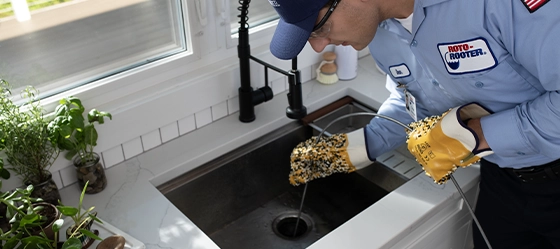
Five Drain Problems That Hit Chula Vista Homes Hardest
The city maintains over 430 miles of sewer pipe, but the lateral connecting your property to that system is your responsibility. These conditions drive the most drain calls across Chula Vista.
- Hard water mineral scale: Chula Vista's water registers between 205 and 236 parts per million of dissolved calcium and magnesium. These minerals coat pipe walls with chalky deposits that narrow flow capacity and create rough surfaces where grease and debris catch. Homes in Otay Ranch and Eastlake - served by Otay Water District's heavily imported supply - accumulate scale faster.
- Tree root intrusion: Avocado trees, shade trees, and ornamental landscaping send roots toward moisture in cracked drain lines. Roots penetrate clay pipe joints and corroded cast iron connections, forming dense masses that cause complete blockages. Properties near Third Avenue and Castle Park are especially vulnerable.
- Expansive clay soil movement: Chula Vista's clay soils expand when saturated and shrink during dry months, shifting underground pipes and separating joints. The problem intensifies on hillside properties in Rolling Hills Ranch and San Miguel Ranch where slope drainage compounds soil movement.
- Grease and soap residue accumulation: Kitchen grease, cooking oils, and soap scum coat pipe walls and harden over time. Combined with mineral scale, these deposits can reduce a 4-inch line to less than 2 inches of usable diameter. Commercial drains along Broadway and H Street see accelerated buildup.
- Aging pipe materials: Western Chula Vista neighborhoods built in the 1950s through 1970s contain original clay tile and cast iron drain lines past their expected service life. These pipes corrode internally, crack at joints, and provide entry points for tree roots. Newer eastern communities use PVC, but connections to older city mains create transition points where problems develop.
Call 619-421-3231 or book online for a professional assessment.
Chula Vista Neighborhoods and Communities We Serve
Our drain cleaning technicians respond across Chula Vista with fully equipped service vehicles ready for the city's varied plumbing conditions.
- Eastlake and Eastlake Vistas: Planned communities built on slab foundations over expansive clay. PVC drain systems are standard, but hard water mineral scale builds steadily inside pipes. Soil expansion beneath slabs can shift drain connections at foundation penetration points.
- Otay Ranch and Rolling Hills Ranch: Master-planned developments with modern plumbing materials but challenging hillside terrain. Elevation changes affect drain line slope, and clay-heavy soil moves with seasonal moisture cycles. Maturing landscaping introduces increasing root intrusion risk.
- Castle Park, Southwest Chula Vista, and Third Avenue area: Established neighborhoods with homes dating to the 1950s and 1960s. Original clay tile and cast iron drain lines, mature street trees, and decades of hard water deposits make these areas among the highest for drain service requests.
- Rancho del Rey, Sunbow, and Telegraph Canyon: Mid-era developments with a mix of PVC and older pipe materials at transition points. These neighborhoods sit in the corridor between western and eastern Chula Vista where drainage patterns follow natural canyon terrain.
Serving Chula Vista and surrounding communities, Including:
Counties in the Chula Vista Area
Steps to Take When a Drain Backs Up
A backed-up drain can escalate quickly. These steps help minimize water damage before a technician arrives.
- Stop using water: Turn off faucets, dishwashers, and washing machines to prevent the backup from spreading further into your home.
- Check other fixtures: If multiple drains back up simultaneously, the blockage is likely in the main sewer lateral. This helps our technicians arrive with the right equipment.
- Locate the cleanout: Most Chula Vista homes have a cleanout access point in the yard - a white PVC or cast iron cap near the foundation. Opening it can relieve pressure while you wait.
- Call 619-421-3231: Roto-Rooter responds promptly across Chula Vista with fully equipped service vehicles ready to clear the blockage on the first visit.
What to Expect During Drain Cleaning Service
- Diagnosis first: The technician inspects the affected drains and determines the most likely cause based on your home's age, pipe material, and neighborhood conditions in Chula Vista.
- Camera inspection: A fiber-optic camera goes into the drain line to reveal the exact location and nature of the blockage. You can watch the live feed on screen.
- Professional cleaning: Based on the diagnosis, the technician selects the right approach - cable machine for root masses, hydro jetting for grease and scale, or a combination method.
- Verification: A second camera pass confirms the blockage is fully cleared and the pipe is in good condition. The technician reviews findings with you before completing the service.
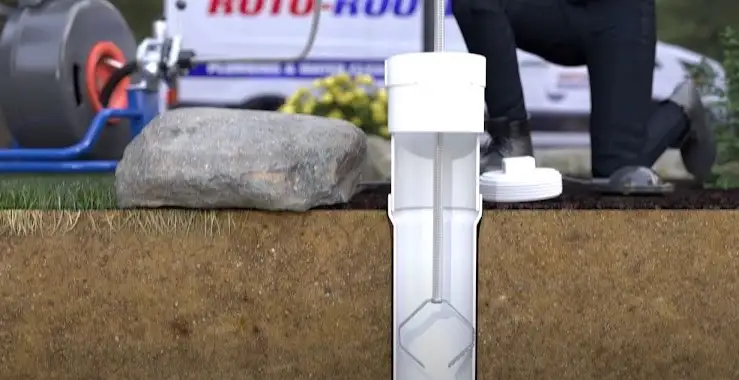
Same-Day Drain Cleaning in Chula Vista
Chula Vista's Trusted Drain Cleaning Team

Frequently Asked Questions
Why do my drains clog even though my house is relatively new?
Newer homes in Eastlake, Otay Ranch, and Rolling Hills Ranch use PVC pipe that resists corrosion, but they still face hard water mineral buildup, grease accumulation, and root intrusion as landscaping matures. Expansive clay soil also shifts beneath slab foundations, displacing drain connections over time. A camera inspection identifies the specific cause.
How often should Chula Vista homeowners schedule drain cleaning?
Annual drain cleaning is recommended for most Chula Vista homes, particularly those with mature trees near sewer lines or pre-1970 homes with original clay or cast iron pipes. Properties with recurring slow drains may benefit from service every six months.
How do I know if my drain needs professional cleaning?
Slow drainage in multiple fixtures, gurgling sounds when toilets flush, or sewage odors near floor drains all indicate a blockage deeper than store-bought drain cleaners can reach. Chemical products can also damage older clay and cast iron pipes found in western Chula Vista. Call 619-421-3231 for a professional assessment.
Can Roto-Rooter handle commercial drain cleaning in Chula Vista?
Roto-Rooter provides commercial drain cleaning for restaurants, office buildings, retail spaces, and industrial facilities across Chula Vista. Our commercial equipment handles lines up to 10 inches in diameter. Scheduled maintenance programs are available for high-volume properties.
Will hydro jetting damage my older pipes?
Roto-Rooter technicians adjust water pressure based on pipe material and condition. For older clay tile or cast iron pipes common in western Chula Vista, lower pressure settings effectively remove buildup without risking damage. A camera inspection before jetting confirms the pipe can handle the process safely.
Am I responsible for the sewer lateral on my property?
Yes. The City of Chula Vista maintains the public sewer mains, but property owners are responsible for the lateral connecting their building to the city system. Roto-Rooter can inspect and clean the entire lateral, including the building cleanout and the city connection point.
How does Chula Vista's hard water affect my drains?
Chula Vista's water measures between 12 and 14 grains per gallon of dissolved calcium and magnesium, classified as hard to very hard. These minerals deposit scale inside drain pipes, narrowing the usable diameter and creating rough surfaces where grease and debris accumulate. The mineral content comes primarily from Colorado River water delivered through Sweetwater Authority and Otay Water District. Annual drain cleaning removes scale buildup before it causes blockages.
SPECIAL FINANCING AVAILABLE
We have partnered with Synchrony Bank to offer financing options to make your plumbing repair expenses as convenient and stress-free as possible.