Drain Cleaning in Cape Coral, FL
400 Miles of Canals and the Drain Problems That Come With Them
Cape Coral holds more miles of navigable canals than any city in the world - over 400 miles of waterways carved through sandy fill and porous limestone. That canal system defines the city, but it also shapes the plumbing challenges homeowners face daily. The high water table pushes upward against drain line joints during rainy season, while hard water from the Lower Hawthorn Aquifer deposits calcium and lime scale inside every drain it touches, narrowing pipe diameter month after month.
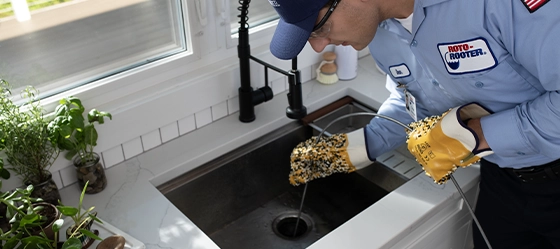
Roto-Rooter has provided professional drain cleaning since 1935. Our experienced plumbing technicians use professional-grade equipment to clear blockages, diagnose the underlying cause, and keep Cape Coral drains flowing through hurricane season.
Call 239-542-9300 or schedule service online.
What Cape Coral's Geography Does to Your Drain Lines
Cape Coral was built on dredged marshland, elevated using material excavated during canal construction. That fill soil over porous limestone, combined with a water table that responds rapidly to rainfall, creates drain conditions unlike anywhere else in Lee County.
- Hard water mineral scale: Water from the Lower Hawthorn Aquifer carries elevated calcium and magnesium that coat pipe interiors with thick scale, narrowing drain diameter and creating rough surfaces where grease and debris accumulate.
- Tree root penetration: Royal palms, banyans, and mature tropical landscaping send aggressive root systems toward moisture in drain lines. Sandy fill soil offers little resistance, and roots reach pipe joints quickly. Canal-front properties see especially heavy root activity.
- Limestone sediment infiltration: Porous limestone beneath Cape Coral contains solution holes and irregular cavities. Sediment enters drain lines through cracks and joint gaps, creating gritty blockages that chemical products cannot dissolve.
- Septic-to-sewer transition stress: The Utilities Extension Project is converting thousands of Cape Coral properties off septic and onto city sewer. Homes undergoing this change often discover aging drain lines with corroded fittings, bellied pipes, and root-damaged laterals.
- Storm surge and water table pressure: During tropical storms and heavy summer rainfall, the water table rises rapidly through Cape Coral's porous ground. Groundwater enters drain systems through pipe joints and cleanout connections, pushing wastewater back toward the home.
Call 239-542-9300 or book online for a professional assessment.
Cape Coral Neighborhoods Where Drain Problems Run Deep
Our drain cleaning technicians respond across Cape Coral and Lee County with fully equipped service vehicles.
- Pelican and Southwest Cape Coral: The most established quadrant, with homes dating to the late 1960s and 1970s. Many properties still have original cast iron drain lines corroding for over 50 years in Florida's humid, mineral-rich soil. Gulf-access canals add moisture pressure on underground pipes.
- Hancock and the Caloosahatchee Corridor: Canal-front homes along the Caloosahatchee River sit in some of the lowest-lying areas of the city. The water table responds quickly to tidal influence and rainfall, creating persistent groundwater pressure on drain connections.
- Trafalgar and Central Cape Coral: Mid-era construction with a mix of cast iron and early PVC piping. Mature landscaping has had decades to send root systems into drain line joints, and hard water scale has accumulated since installation.
- Burnt Store and Northwest Cape Coral: The newest growth area, where the Utilities Extension Project is actively installing city sewer lines. Homeowners converting off septic are discovering drain infrastructure that needs attention before connecting to municipal utilities.
- Sandoval and Western Cape Coral: Newer gated communities with modern PVC systems. Drain problems here typically involve grease buildup in kitchen lines and mineral scale.
Responding to Drain Emergencies in Cape Coral
A backed-up drain escalates quickly in Cape Coral's climate. Warm temperatures promote rapid bacterial growth in standing wastewater, and a tropical storm can turn a partial blockage into a full backup within minutes.
- Stop using water: Turn off faucets, dishwashers, and washing machines to prevent the backup from spreading further into your home.
- Check other fixtures: If multiple drains back up simultaneously, the blockage is likely in the main sewer line. This helps our technicians arrive with the right equipment.
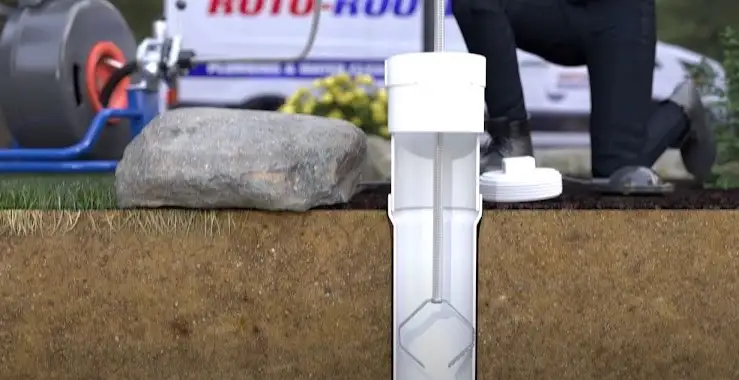
- Locate the cleanout: Most Cape Coral homes have a cleanout access point in the yard - a white PVC cap near the foundation. Opening it can relieve pressure while you wait.
- Avoid chemical drain cleaners: Pouring chemicals into a backed-up system creates a hazard for the technician and damages older cast iron pipes.
- Call 239-542-9300: Roto-Rooter provides drain cleaning service days, evenings, and weekends across Cape Coral and Lee County.
Operated as an Independent Contractor - All available services, hours of operations, pricing structure, and guarantees may vary by location
Serving Cape Coral and surrounding communities, Including:
Counties in the Cape Coral Area
What to Expect During Your Drain Cleaning Appointment
- Diagnosis first: The technician inspects the affected drains and determines the most likely cause based on your property's age, pipe material, and location within Cape Coral.
- Camera inspection: A fiber-optic camera goes into the drain line to show the exact location and nature of the blockage. You can watch the live feed on the monitor.
- Professional cleaning: Based on the diagnosis, the technician selects the right tool - cable machine for root masses, hydro jetting for grease and scale, or a combination approach for stubborn blockages.
- Verification: A second camera pass confirms the blockage is fully cleared and the pipe is in good condition.
- Honest recommendations: If the camera reveals pipe damage that will cause repeat problems, your technician explains repair options with a written estimate.
Same-Day Drain Cleaning in Cape Coral
SPECIAL FINANCING AVAILABLE
We have partnered with Synchrony Bank to offer financing options to make your plumbing repair expenses as convenient and stress-free as possible.