Get the Roto-Rooter App

Download
Skip to main content

Trenchless Pipe Repair

Zero Dig Pipe Restoration Services

Roto-Rooter's Zero-Dig Pipe Restoration Services can bring most old sewers and drainpipes back to life without digging trenches to repair or replace them. Little to no digging is required and some trenchless services can be completed in as little as a few hours.
Schedule Online
badge-dollar-solid Save money! Check out available coupons

Avoid Expensive Collateral Damage

Gone are the days when there was only one way to repair or replace an underground sewer or drainpipe: digging long, deep trenches. Traditional excavation may still be the best option in many instances, but not when it means tearing out trees, sidewalks, landscaping beds or parking lots. All of which are expensive to replace. Zero-Dig Pipe Repair & Replacement allows home and business owners faster, less invasive options that results in the same outcome without all the collateral damage. We can remotely repair small sections or complete pipelines.

Zero-Dig Pipe Restoration Services avoid damage to:

  • Landscaping & Trees
  • Slabs & Sidewalks
  • Driveways & Parking Lots

*Service offerings may vary by location
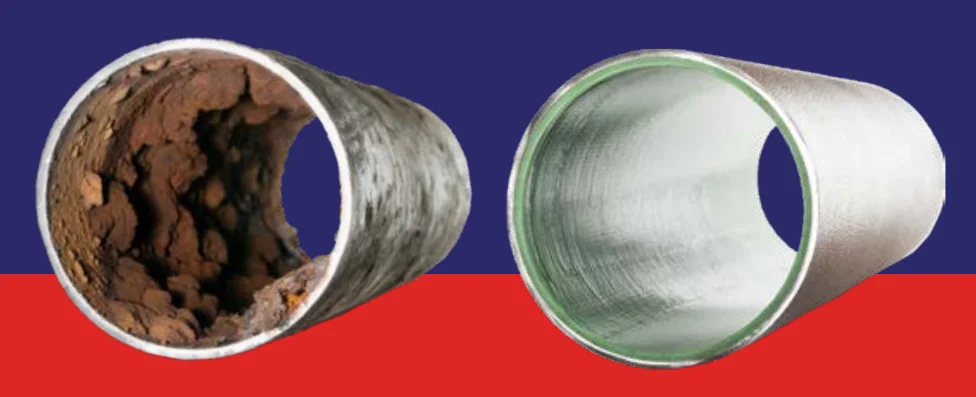
Interior view of pipe with scale, corrosion and buildup next to an interior view of a descaled and brush coated pipe

Trenchless Solutions

Depending on the problem, Roto-Rooter offers several trenchless solutions to get your damaged pipe back into service. We’ll provide options and recommend the most useful services for your situation. Between pipe descaling, pipe brush coating, pipe patching, or complete pipe relining, there is a trenchless solution to fit most any need and budget.

Relining Process

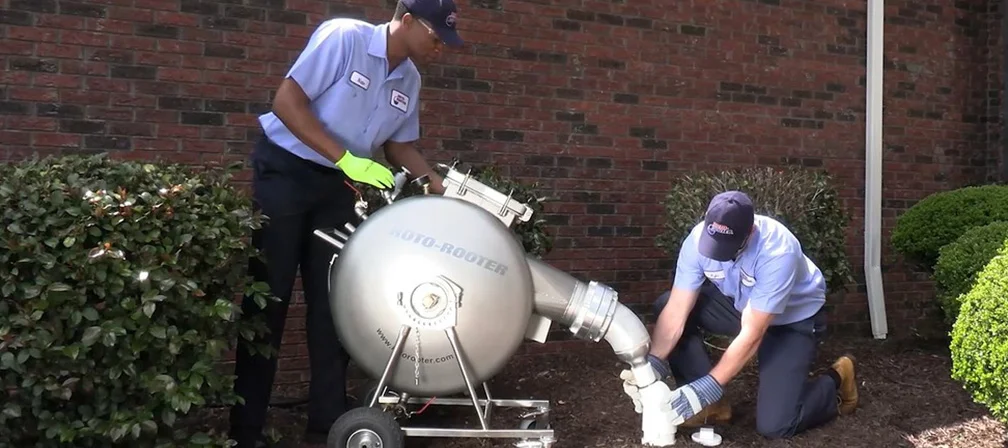
Once the entire existing pipe is cleaned and descaled, the pipe's structural condition is assessed with a video inspection snake. The new liner is prepared and loaded into the inversion drum, then the liner is inverted and air pressure pushes it through the damaged host pipe. For the curing process, the liner is inflated with air pressure and left to cure inside the pipe. The liner can ambient cure or the process can be expedited with the addition of hot water or hot air.

After the liner has cured, the brand and connecting lines are reopened or reinstated. The pipe is then inspected a final time and returned to service.

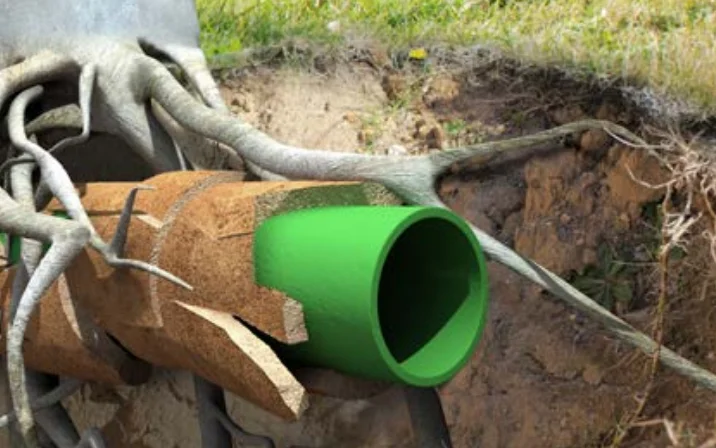
3-D digital rendering showing underground view of old pipe with new pipe liner inflated

Customer Reviews

01234
Trenchless replacement of the residential sewer line and installation of a new cleanout in the driveway were performed. The work was done professionally, quickly, and well. I appreciate the communication and hard work in completing this job. Team effort with substantial professional equipment allowed completion in 2 days. Thanks for the hard work. Frank B
01234
Raw sewage started coming up into my basement! Called Roto-Rooter, who told us they were treating us as an emergency, and a technician appeared promptly. He explained everything clearly and planned out the next steps. A second tech came the next day and did a camera check and found that tree roots had invaded the pipe all the way out to the street. Another tech came out and hydro-jetted, which cleared the line, and the next day, a team came out and did a zero-dig pipe restoration, creating a pretty much everything-proof liner. In the interim, another tech had visited to discuss and schedule the final cleanup. These guys told us everything every step of the way - what would happen, when, how long it would take, what it would be like, what it would cost, and what to do about the insurance claim. My brother, an appraiser, did a quick eval of their services and costs compared to other companies, and was very satisfied. I wholeheartedly endorse this company and would use them again (though I hope I don't have to!). Frieda M
01234
Great job fixing an 8-year-old issue that nobody else would touch. I made the appointment on Tuesday afternoon for a Wednesday repair, and they came out Tuesday night to start the process. They had to jet the pipe and tried a trenchless solution. Due to my pipes, it didn't take, and they had to dig a 4-foot deep hole and repair a sewer pipe. The whole service was done at the quoted price. Will definitely use again. Walter J

Frequently Asked Questions

What types of pipes are used in plumbing?

Throughout history, many different materials have been used to make plumbing pipes, including wood, lead, clay, tar pitch, concrete, cast iron, copper, PVC, CPVC, and PEX.

How long does pipe repair take?

The time required to repair plumbing pipes will vary depending on the extend of the damage and the material of the pipe. Your Roto-Rooter plumber can repair any water supply pipes or drain pipes, no matter if they are made of copper, PVC, CPVC, cast iron, clay, concrete, or PEX. Simple repairs to PEX may only take a few minutes to complete, whereas copper pipe repairs behind walls may require an hour or two. More serious repairs such as underground sewer pipe spot repair or replacement may require several hours to a couple of days.

What can I use to seal a leaking pipe?

There is no subsitute for having an experienced plumber repair a leaking water supply pipe. However, in a pinch there are several patch kits on the market, which plumbers view only as a temporary fix until the pipe can be properly repaired by a plumber. If you've ever seen a submarine warfare movie, you've probably seen sailors repair a leaking pipe using a redi-clamp patch. They make small ones for repairing household pipes too. There are several other tape-like patch kits you can buy, but they are even more temporary and should only be used until permanent repairs can be completed.

How to fix a leaking pipe?

Leaking water supply pipes can be made of several different materials, including copper, CPVC, and PEX. Older structures even have cast iron pipes. Each material can be repaired, but the methods for doing so vary. However, in all of these materials, most plumbers cut out the bad, leaky section and replace it with a new section. Copper pipes can be rejoined by "sweating" sections together with a propane torch, solder, and a joiner piece. They can also be refitted with Sharkbite fittings, which eliminate the need for an open flame in a wall cavity. CPVC sections can be reconnected with special joiner fittings and pipe glue. An experienced Roto-Rooter plumber can fix leaking pipes no matter which material they're made from.

How to prevent spring flooding?

  • Test your sump pump by pouring a few buckets of water into the sump pit. The pump should quickly turn on, discharge the water then shut off without any problems.
  • Install a battery backup for your sump pump.
  • Make sure yard drains, gutters and downspouts are cleaned out, open, and free of debris.
  • Check for bird nests in plumbing vent pipes.
  • Check faucets and hose bibs to make sure water flows freely. If an outdoor faucet drips or if there is leakage inside your home the first time the hose is turned on, you may have had a frozen pipe that cracked and needs to be replaced.