Sewer & Water Line Excavation in Coquitlam
Key takeaways, before you book: when replacement is the honest answer
- Backfill is compacted in lifts, and final surface restoration is scoped on site before the dig starts.
- Municipal main work is the municipality's, and no private scope reaches past the connection.
- A heavily fouled line can look dead and only be dirty, which is why cleaning precedes some replacement verdicts.
- Depth, route and the extent of damage, all read off footage, shape the estimate more than anything else.
- Trenchless leaves entry and exit pits instead of a full trench where conditions allow it.
- Utility marks appear before equipment, and the trench path bends around what they show.
- The camera pass measures depth and route, and those measurements shape the estimate.
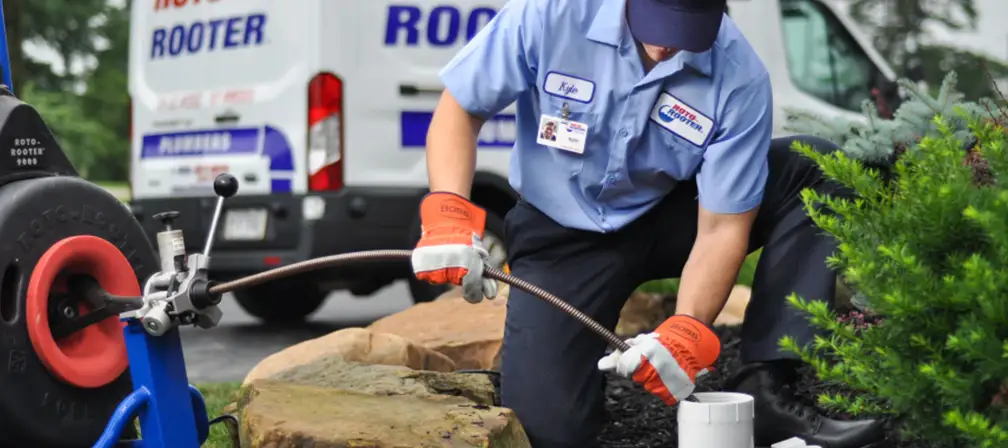
Coquitlam excavation planning connects the camera finding to the lateral route and the surface above it. If the pipe remains structurally sound, Coquitlam drain cleaning may resolve a removable obstruction without excavation.
Trench or no trench is a real question, and it comes after an even more basic one: is the dig needed at all. From one end of Coquitlam to the other, the sequence does not change.
Open-cut versus trenchless, honestly
Depth and groundwater do quiet work on the method choice. A deep line raises the open-cut cost in time and backfill; a high water table complicates a lining cure and can push a burst toward a cut. None of that is visible from the yard, which is why the boring facts on the inspection sheet carry so much of the decision. Material decides more than owners expect. Clay and concrete pipe burst differently than cast iron; a heavily scaled iron line may clean into a candidate for lining that it did not appear to be; and some older materials simply want the direct route.
Locating as step one
A lateral that runs close to a gas service or under a shared driveway may push the method toward trenchless, or move the access point, or simply add care and time to an open cut. None of that is visible from the kitchen window, which is the point of marking it first. The marks go down before the equipment arrives, and the plan absorbs them. A lateral hugging a gas service gets a careful hand-dug transition. A telecom bundle crossing the path changes where entry pits land.
Operated as an Independent Contractor - All available services, hours of operations, pricing structure, and guarantees may vary by location
What follows the dig matters as much as the dig itself. None of this changes at a Coquitlam address.
Where your line ends and the city's begins
Scope the work to the connection and the municipality owns everything beyond it; overshoot into the main and the utility has opinions. Confirming the line before the dig is cheaper than litigating it after. Where your responsibility ends and the municipality's begins is a boundary every jurisdiction draws for itself, and the honest answer on any page is that your municipality decides. In general terms, the sewer lateral, the private line from the building to the street connection, is the property owner's, and the main under the street is the city's. Where exactly that changes, at the property line, at the curb, at the main itself, varies, and the crew confirms it with the utility before the scope is fixed.
Permitted, inspected, documented
A line replaced under permit carries a record: what went in, how it was bedded, that it was checked. Undocumented work saves a form and costs certainty, and certainty is most of what a closing sale wants from a sewer. Sewer replacement is permitted and inspected work, and Roto-Rooter handles that process as part of the job. The permit exists for the same reason the compaction does: a buried line nobody checked is a liability with grass on top.
What happens to the yard, drive and walk
Either way, the property is left explained rather than merely left, and the difference is a crew that treats the surface as part of the work. Yards and drives recover at different speeds, and the difference is mostly about material. Soil settles and gets topped; pavement is cut, replaced and sealed; landscaping is scoped as its own line rather than smuggled into the backfill. An estimate that is vague about the surface is an estimate that has not finished thinking. The surface gets a straight answer.
What gets marked before the trench
A lateral that runs close to a gas service or under a shared driveway may push the method toward trenchless, or move the access point, or simply add care and time to an open cut. None of that is visible from the kitchen window, which is the point of marking it first. The marks go down before the equipment arrives, and the plan absorbs them. A lateral hugging a gas service gets a careful hand-dug transition.
Open-cut versus trenchless, honestly
Depth and groundwater do quiet work on the method choice. A deep line raises the open-cut cost in time and backfill; a high water table complicates a lining cure and can push a burst toward a cut. None of that is visible from the yard, which is why the boring facts on the inspection sheet carry so much of the decision. Material decides more than owners expect.
Gas, electric, water and telecom first
A telecom bundle crossing the path changes where entry pits land. None of this slows a job as much as meeting any of it unmarked would. Before any dig, utility locating runs first, and it is as close to non-negotiable as this trade gets. Gas, electric, water and telecom all live in the same ground a sewer lateral crosses, and every one of them is a safety problem and a schedule problem when met unannounced.
The responsibility boundary
Scope the work to the connection and the municipality owns everything beyond it; overshoot into the main and the utility has opinions. Confirming the line before the dig is cheaper than litigating it after. Where your responsibility ends and the municipality's begins is a boundary every jurisdiction draws for itself, and the honest answer on any page is that your municipality decides. In general terms, the sewer lateral, the private line from the building to the street connection, is the property owner's, and the main under the street is the city's.
Permitted, inspected, documented
A line replaced under permit carries a record: what went in, how it was bedded, that it was checked. Undocumented work saves a form and costs certainty, and certainty is most of what a closing sale wants from a sewer. Sewer replacement is permitted and inspected work, and Roto-Rooter handles that process as part of the job. The permit exists for the same reason the compaction does: a buried line nobody checked is a liability with grass on top.
The surface, discussed before the dig
Either way, the property is left explained rather than merely left, and the difference is a crew that treats the surface as part of the work. Yards and drives recover at different speeds, and the difference is mostly about material. Soil settles and gets topped; pavement is cut, replaced and sealed; landscaping is scoped as its own line rather than smuggled into the backfill. An estimate that is vague about the surface is an estimate that has not finished thinking.
Why lines reach this point
What leads a given property to this page is usually one of three histories: age, roots or movement. Clay laterals from earlier eras fail at their joints; cast iron fails from within; ground that shifts with moisture works on both. The camera reads which story your line is telling, and the repair follows the reading. Roots earn their own paragraph in any excavation story because they are the failure that repairs cleanest: find the break the roots used, replace that section, and the invasion is over.
How a dig gets justified
Lines that present as dead are sometimes only buried in deposit, and the cheap test is a proper cleaning followed by another look. When the second pass still shows the pipe gone, offset or holding water at a sag, the verdict stands on evidence nobody argues with. There is a version of this conversation where the customer has already had two cleanings this year and suspects the answer. The suspicion usually turns out right about the symptom and wrong about the cause, which is exactly why the footage is worth having: it converts a well-founded guess into a scoped plan with a beginning, a path and an end.
Schedule the Coquitlam Sewer Line Excavation Inspection
Call 604-552-5200 or schedule online to put a camera in the line before anyone quotes a trench. Roto-Rooter is fully licensed and insured, and the company has done this work since 1935. For everything else the team handles locally, start at the Coquitlam plumbing page.
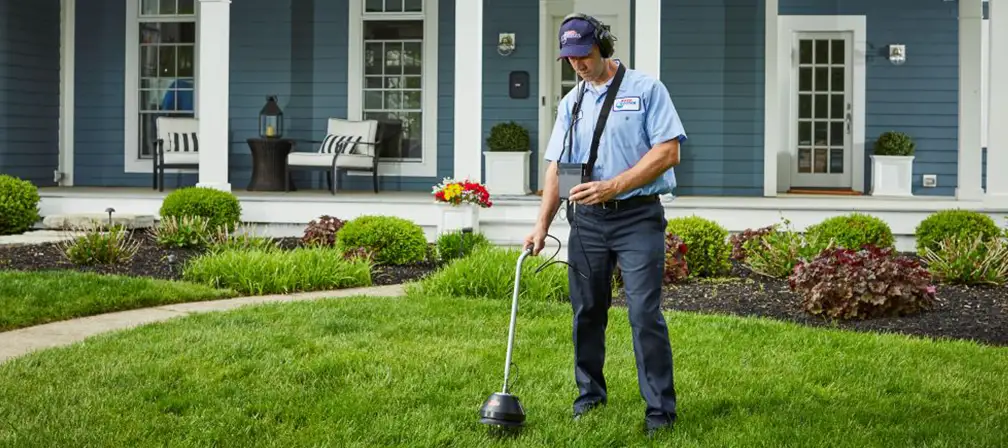
Findings that justify sewer excavation
Ground, utilities and the calendar

SPECIAL FINANCING AVAILABLE
We have partnered with Synchrony Bank to offer financing options to make your plumbing repair expenses as convenient and stress-free as possible.