Sewer and Water Line Excavation in Burnaby
Key Takeaways: How a Burnaby Sewer Dig Earns Its Place
- Excavation is the answer only after a camera inspection shows the sewer line cannot be restored from the inside, and the footage names which failure ended the cleaning conversation.
- A collapse, a joint badly offset, a bellied section holding standing water, root growth through a fractured wall, or a line that keeps failing after proper cleaning are the findings that justify sewer line replacement.
- Trenchless methods including pipe bursting and cured-in-place lining can avoid a full open trench, but depth, pipe material, access at both ends and how much of the line is intact decide whether they apply.
- Utility locating happens before anything opens. Gas, electric, water and telecom get marked, without exception.
- The sewer lateral serving a Burnaby property is generally the owner's responsibility, and exactly where that boundary sits is set by the municipality.
- Work is permitted and inspected, and Roto-Rooter handles that process rather than leaving the homeowner to navigate it.
- The trench is backfilled and compacted, and final surface restoration is scoped and agreed on site before work starts.
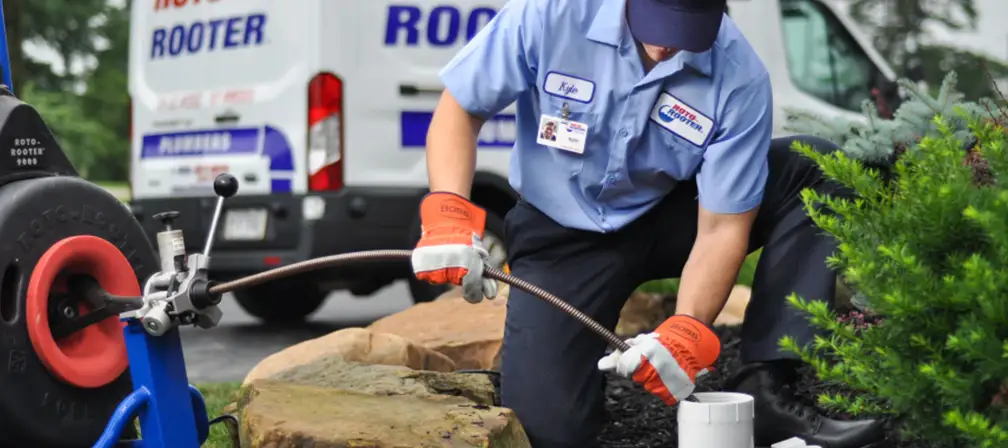
Burnaby sewer excavation is scoped from the inspected defect, the lateral route and the surface that may need opening. A blockage in a sound line is a different job, so Burnaby drain cleaning remains the relevant alternative when the camera supports it.
Sewer excavation in Burnaby is the repair of last resort, and this page exists to show how that status is earned rather than assumed for a homeowner in Burnaby weighing the biggest plumbing decision on the property. A line that keeps blocking produces pressure to dig, and the camera inspection is what converts that pressure into a decision the footage supports.
What the Camera Must Show Before Excavation in Burnaby
A dirty line and a broken line behave the same way at the fixture, and only the inside view separates them. Buildup narrowing the bore belongs to Burnaby drain cleaning, and a fouled-but-sound line can be cleaned. What the camera looks for instead is structural: a section that has caved in and lost its shape, a joint where one length has dropped out of line with the next so solids catch at the lip, a belly where the line sagged and now holds standing water, and root mass that entered through a fracture rather than a seam. Any of those ends the cleaning option, because cleaning addresses the wall of a pipe and none of them is a wall problem.
Repeat failure belongs in the same conversation. A line that blocks again shortly after proper cleaning is reporting a defect, and a second or third visit on the same run is evidence the Burnaby inspection is overdue, since a belly or an offset will keep collecting whatever the last visit removed.
Spot Repair or the Full Run?
The footage also frames how much line the job actually is. A single fractured joint in an otherwise sound run can be a spot repair: one dig, one length replaced, one section of yard opened. A line failing at several points, or a material at the end of its service life, argues for replacing the run, because three spot repairs across successive seasons cost more disruption than one planned replacement. The camera count of defects is what turns that from a preference into arithmetic.
Water service lines sit in the same conversation. A water line and a sewer lateral occupy the same corridor toward the street, and a camera or a pressure test can establish which one is actually failing before anyone commits to opening the ground. Naming the line first keeps the dig the right size.
Can a Wet South Coast Winter Move the Dig?
The south coast of British Columbia has mild wet winters and dry summers, and saturated ground changes how and when a trench is practical to open and keep open. The season informs sequencing and planning. What it never changes is the diagnosis, which comes from the footage rather than the calendar, or the repair method, which comes from pipe condition, access, alignment and the located utilities.
Operated as an Independent Contractor - All available services, hours of operations, pricing structure, and guarantees may vary by location
Permits, Inspection and the Process Roto-Rooter Handles
Sewer line replacement is permitted work, and the work is inspected. Roto-Rooter handles that process for the property in Burnaby, including scheduling the inspection the job requires, so a homeowner in Burnaby is not left navigating paperwork mid-repair. What any permit involves varies by jurisdiction, which is one more reason the scope is confirmed on site and put in writing before work begins, with an on-site estimate ahead of any commitment.
Backfill, Compaction and the Surface Afterward
An open-cut repair leaves a trench, and a trench through a lawn, a driveway or a walk is visible when the crew leaves. Being straight about that at the start beats a surprise at the end. The excavation is backfilled and the ground compacted in lifts, which is what stops the trench line settling into a depression over the following seasons. Final surface restoration, meaning turf, concrete or hardscape, is a separate item scoped on site and agreed before the job starts rather than assumed. Where the trench crosses paving, the cut is planned so the joint line lands sensibly rather than mid-slab, and those small decisions are made with the homeowner while the ground is still open.
The Sequence on the Day, and What You Will See
A planned excavation runs in a settled order. The locate marks go down first, and the crew works to them. The section of line is opened, and the failed length is lifted out and shown, because a homeowner replacing a sewer line deserves to see the joint that offset or the belly that held water rather than take the finding on trust. The new pipe goes in bedded properly, the connection at each end is made, and the line is camera-checked and tested before backfill closes the trench. Compaction happens in lifts as the trench fills, and the surface is graded to drain. That order protects the work on any Burnaby site, and knowing it in advance makes the day legible.
What the household provides is access and a decision point. Someone in Burnaby should be reachable on the day, the route to the cleanout or the dig area kept clear, and any scheduling constraint, a parking arrangement, a shift pattern, a tenant, raised when the job is booked so the plan absorbs it rather than discovers it.
Request a Camera-Led Excavation Assessment in Burnaby
Call 604-434-1161 or schedule service online to book the inspection that settles whether this line needs replacing at all. Some Burnaby inspections support cleaning instead of excavation, and that is a good outcome, delivered honestly. For the rest of what the local team handles, the Burnaby plumbers page is the starting point. Roto-Rooter is fully licensed and insured, has taken on plumbing work since 1935, and treats the camera footage as the decision-maker on every sewer excavation call it answers in British Columbia, on the south coast and everywhere the team works.
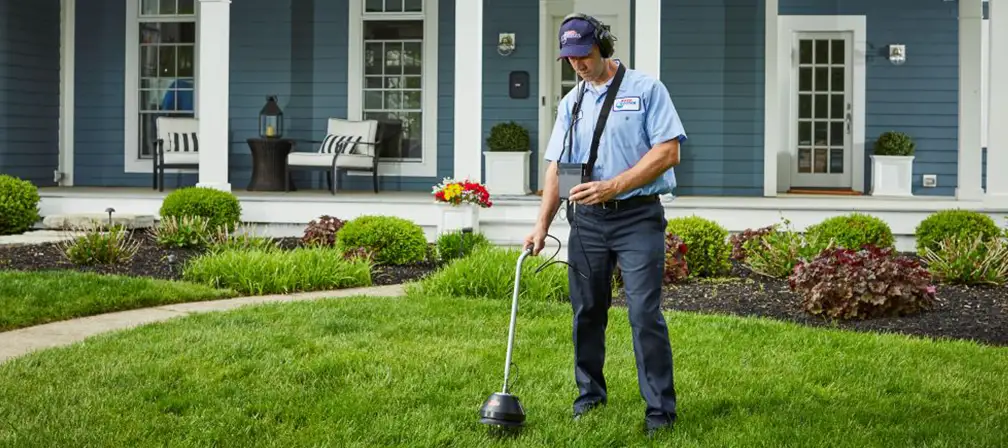
Findings that close the cleaning option
Trenchless, utilities, responsibility and the surface

SPECIAL FINANCING AVAILABLE
We have partnered with Synchrony Bank to offer financing options to make your plumbing repair expenses as convenient and stress-free as possible.