Sump Pump Repair, Replacement and Storm Backup in Antioch
Key Takeaways: Why the Pit Keeps Filling After the Sky Clears in Antioch
- A pump that runs on a dry day worries people, and in this part of Tennessee it is usually the ground doing what the ground here does.
- Water moves through solution channels in shallow limestone, so recharge is fast and it does not arrive from directly overhead. Rain that fell hours ago somewhere upslope can reach your sump pit today.
- That means the useful measurement is how the cycling changes over a week, since a pit that keeps producing days after a storm has passed is behaving the way Antioch ground behaves.
- The failure a household actually meets is the power cut. Storms strong enough to load the ground are the storms that take the electricity with them, which is what a battery backup exists for.
- The float switch, the check valve and the intake screen cause most service calls, and each one announces itself with a sound you can learn to recognize.
- A bucket of water and two minutes tests the whole chain, and doing it before the Tennessee wet season beats finding out during it.
- Roto-Rooter is fully licensed and insured, works on the equipment and the discharge line, and provides on-site estimates before any work begins.

A homeowner in Antioch calls about a sump pump for one of two reasons. Either it has gone quiet and there is water on the floor, or it will not settle down and the cycling has become impossible to ignore on a week when nothing has fallen from the sky. The second call is the one that gets misdiagnosed most, because the behavior that sounds broken here is frequently the ground working exactly as this ground works.
Groundwater in Limestone Arrives on Its Own Schedule
Most writing about sump pumps assumes water soaks down through soil, spreads slowly, and drains away over days in proportion to how much rain fell on the property. Under Antioch that model is wrong in an important way. This is Nashville Basin ground: limestone close to the surface, dissolved over a very long time into channels and fissures, carrying a thin residual soil on top. Water gets into that network quickly and travels through it, so groundwater under a house can rise sharply during a storm, stay high while the system drains, and still be moving days later. Rain that fell on higher ground can reach a pit that never saw a drop.
Where the pit sits varies with how the house was set into the ground. Antioch is built across rolling terrain, so a lot cut into a slope commonly gives a lower level on the downhill side and a crawl space elsewhere, and the pit ends up at whichever point is genuinely lowest. That location matters. A pit serving a finished lower level is protecting living space, while a pit under a crawl space is protecting framing, ductwork and insulation. The pump is the same in both cases and what a failure costs is different.
Why does my sump pump run when it has not rained?
In Antioch the first thing to check is the calendar, meaning what the weather did across the wider area in the last several days. Steady cycling in a dry spell after a wet stretch is normal for karst ground and it is a sign the pit is doing its job. What deserves attention is different behavior: a pump that cycles every minute or two with almost no water moved, a pump that runs continuously and never satisfies, or a pump that has started running in a season when it used to sit still. Those three point at a check valve, a float, or a change in the drainage around the structure.
- Short cycling: the pump starts, stops and starts again within a minute or two, which usually means water is coming back down the discharge line after each cycle because the check valve has failed.
- Constant running with no progress: the intake screen may be blocked or the impeller may be worn, so the motor works and the water level barely moves.
- Silence with a full pit: the float switch has stuck against the wall of the sump pit, or power to the outlet has been lost.
- New running in a season that used to be quiet: something outside has changed, such as a downspout, a regrade, or work on a neighboring property.
Middle Tennessee gives a pit two distinct busy seasons and Antioch sees both. The long cool wet stretch keeps groundwater high for weeks at a time, and warm-season thunderstorms drop a lot of water in a very short window onto ground that cannot take it in that fast. Those two loads test a sump pump differently, and a pump that handles one comfortably can be undersized for the other.
Operated as an Independent Contractor - All available services, hours of operations, pricing structure, and guarantees may vary by location
Serving Antioch and surrounding communities, Including:
Counties in the Antioch Area
Testing a Sump Pump Without Waiting for a Storm
This is a real instruction rather than a reason to call somebody. Pour five gallons of water into the pit slowly and watch. The float should rise and start the pump before the water reaches the top of the sump pit. The pump should move the water out briskly, and you should hear a single clean thump from the check valve as it closes when the motor stops. In a Tennessee winter, run the same test after the first sustained wet stretch as well. If the pump restarts within a few seconds on its own, the check valve is leaking back. If the float has to be nudged, it is catching on something. Do this twice a year, once before the cool wet season and once in spring, and go outside afterward to confirm the water actually came out of the discharge termination.
What a Sump Pump Cannot Do
Being straight about this saves arguments later. A sump pump manages water that reaches the pit. It cannot stop water entering somewhere else, it is not waterproofing, and Roto-Rooter does not perform foundation work or exterior drainage construction. A pump also gives no protection during a power cut without a backup, and no pump keeps up with a volume beyond what it was sized for. What it does, it does reliably, and knowing the boundary is what lets you cover the rest properly.
When the Pump Has Already Lost and Water Is Rising
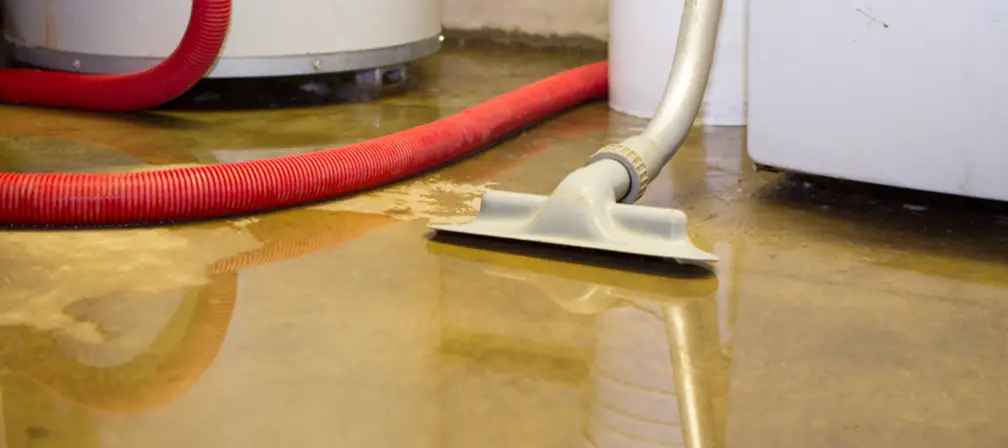
If the pit is overflowing right now, the priority is stopping the inflow reaching the rest of the structure and getting the water out. Roto-Rooter is available 24/7, 365 days a year. Where water has already reached flooring, framing, insulation or stored belongings, water damage restoration in Antioch is the work that follows the pumping, and the sooner drying starts the less there is to replace. The rest of what we handle locally is on the Roto-Rooter page for Antioch.
Call Roto-Rooter to Check the Pump and the Pit in Antioch
Roto-Rooter has been solving water problems in and around buildings since 1935, and the plumbing peace of mind on this equipment in Antioch comes from testing it in a dry week instead of discovering it in a wet one. Call 615-373-0373 to have a pump, a pit and a discharge line looked at together, or schedule online, and you will have an on-site estimate before any work begins.

Sump Pump Failure Modes You Can Recognize Before the Water Does
The Check Valve, the Discharge Line and Where the Water Ends Up