Sump Pump Repair, Replacement and Discharge Work in Akron
Key Takeaways: Why Lift Decides How a Sump Pump Behaves
- A pit that refills the second the pump shuts off: on a tall discharge run that usually means the check valve is letting the column of water fall back down the pipe, so the pump restarts within seconds and wears out early.
- Height changes what a pump can move: the further water has to be pushed upward, the less of it leaves the pit each minute, so sizing on a stepped lot in Akron is a measurement and never a guess.
- Where the discharge line ends matters as much as the pump: water released onto ground that drains back toward the foundation arrives in the pit again.
- Power loss is the failure a healthy pump cannot cover: outages arrive with the same Ohio storms that fill the pit, and a battery backup carries the pit for a limited period, which a tall lift shortens further.
- A float switch that cannot swing freely: a pump pushed against the side of the pit or fouled with debris will sit silent through the storm it was bought for.
- Testing takes a bucket of water: pour it in, watch the float rise, listen for the motor to start, and listen again for the valve to seat cleanly when it stops.
- Roto-Rooter repairs, replaces and installs pumps, pits and discharge lines: the equipment is the job. Roto-Rooter does not do foundation waterproofing or exterior drainage work.

Two houses on the same street in Akron can ask completely different things of an identical sump pump, and the difference is usually the climb. Akron steps down off the edge of the plateau toward the river valley, so lots rise and fall instead of running flat. One house sends pit water a short way out to a lawn that already falls to the street. The house next door has to push the same water up and over a bank before gravity will accept it anywhere. The two pumps can be identical; the amount of work they have been handed is not.
That climb, which the trade calls head or lift, quietly sets everything else on this page: how much water actually leaves the pit each minute, how hard the motor works to do it, how long a battery will hold the pit through an outage, and how violently the water in the pipe wants to come back when the pump stops. Roto-Rooter repairs, replaces and installs sump pumps in Akron, along with the pit, the check valve, the float switch and the discharge line that carries the water away.
Operated as an Independent Contractor - All available services, hours of operations, pricing structure, and guarantees may vary by location
Serving the entire Akron metro area, Including:
Counties in the Akron Metro Area
Groundwater Arrives From Uphill, and It Takes Its Time
The most common question on this service is why the pump runs on a dry week. In Akron the answer is usually the shape of the ground rather than the weather. Glacial till, which underlies most of northern Ohio, is dense and slow, so water that soaks in on higher ground does not sink far. It travels sideways along the top of that dense layer and comes downhill, which means a house cut into a bank receives water at the uphill wall long after the sky has cleared, and the pit collects it through the drain tile the way it was designed to.
That produces a demand profile worth understanding. The inflow is not a spike that arrives with the storm and stops with it; it is a low, steady feed that can run for days, and in a spring thaw it can run for weeks. Steady feed plus a tall lift is how a pump accumulates thousands of cycles nobody counted. It is also why the pit in a house on a slope in Akron can be busy while a house four streets down on flat ground sits dry.
Pit Size, Cycling and What Constant Running Means
A sump pit is a reservoir, and its size sets how often the pump starts. A pit too small for its inflow fills before the pump has finished cooling, and short cycling is the single most reliable predictor of an early failure, because motors are worn out by starts far more than by run time. A pit far too large lets water stand long enough to go stale and smell. If the pump is starting every minute or two through a wet spring in Akron, the pit, the check valve and the pump all need looking at together, since any one of the three can produce that behavior.
Continuous running says something different. A pump that never stops is either receiving more water than it can move, which points at sizing against lift, or moving the same water repeatedly, which points at the valve. Video of the run and a few minutes watching the pit separates the two.
Battery Backup and What a Tall Run Costs It
The failure a good pump cannot solve is the one where the power goes out, and in Ohio that happens during exactly the weather that fills the pit. A battery backup is a second pump with its own float and its own power source, and it takes over when the primary has no current. It is a bridge across the outage, and it is finite: every cycle draws down the battery, and a tall discharge run makes each cycle expensive, so in Akron the same battery carries a walkout lot much further than a house at the bottom of a bank. That trade is worth doing on paper before the storm, and it is a good reason to add a high-water alarm so the household knows the backup has taken over instead of discovering it afterwards.
Testing a Sump Pump With a Bucket of Water
This is a five-minute job any homeowner in Akron can do twice a year, before the spring thaw and again in late autumn. Lift the lid and look in: the pit should be clear of debris and the float should have room to swing. Pour a bucket of water in slowly and watch the float rise. The motor should start well before the water reaches the top of the pit, move the water out briskly, and stop with one clean thud as the check valve seats. A slow start, a lazy discharge, a second start a few seconds later, or no start at all are all worth a call before the weather does the testing for you.
When the Pit Is Already Overflowing
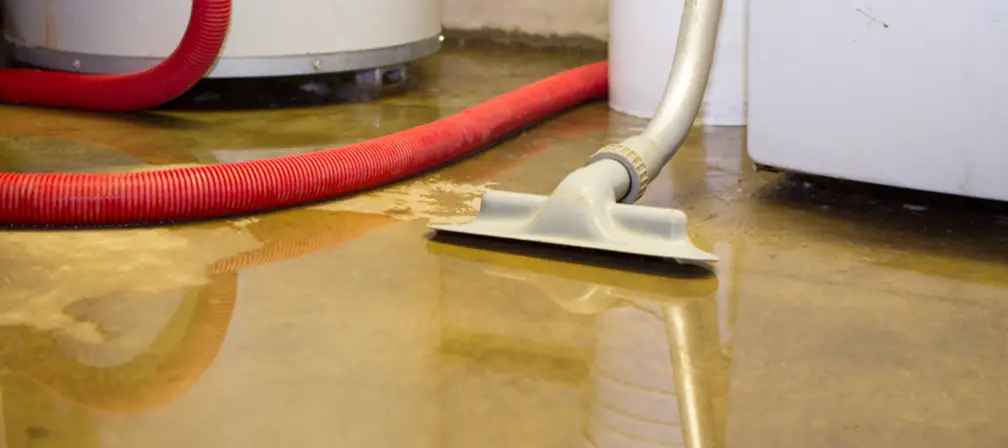
If the pit is overflowing right now, cut power to the pump at the breaker before anyone goes near standing water, then call. Emergency Plumbers in Akron are available 24/7, 365 days a year. If water has already reached finished space, carpet or stored belongings, Water Damage Restoration in Akron handles the extraction and drying, and the rest of what this location does is listed on the Akron plumbing page.
Schedule Sump Pump Repair or Replacement in Akron
A pump that hums, short cycles or stays silent through a storm is telling you something, and none of it improves with waiting. Call 330-860-9883 to have the pump, the pit, the valve and the full discharge run checked together, or schedule online at a time that suits the household. Roto-Rooter is fully licensed and insured and provides on-site estimates before any work begins.

The Failures You Can Hear Before You See Water
Lift, Head and Where the Discharge Line Lets Go