Hydro Jetting in Central Saanich
Key Takeaways: What Repeated Clearing Means in Central Saanich
- A camera establishes the actual condition before work.
- Recurring symptoms can reflect buildup or structural failure.
- The method must match the inspected line and available access.
- Utility locating precedes excavation when digging is involved.
- A collapsed, offset, or fragile line needs repair discussion.
- Residential and commercial conditions require different planning.
- British Columbia south coast has mild wet winters and dry summers.
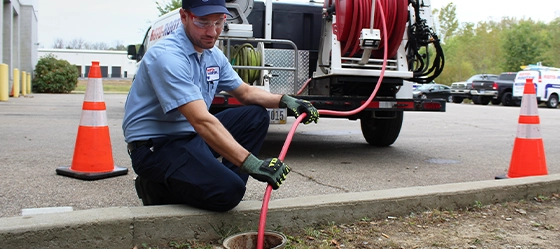
A sewer line repeatedly cleared in Central Saanich can accumulate consequences long before anyone sees a complete collapse. Hydro jetting is considered after the cause is established.
A cable opens a passage through a blockage; a selected water nozzle cleans the reachable circumference toward the pipe wall. Grease, mineral scale, sludge, and fine root material need different interpretation.
Inspection before work establishes condition, access, location, and cause. A later camera pass records what remains and whether the wall is clear.
Regional conditions provide context, not a city-specific diagnosis. British Columbia south coast has mild wet winters and dry summers. Only footage identifies the actual cause.
A collapsed section, severely offset joint, or fragile wall is not a jetting candidate, and a failed line requires repair rather than blind cleaning.
Residential and commercial lines have different volumes and recurrence patterns. Planning follows the observed baseline instead of a universal interval.
Roto-Rooter has provided plumbing work since 1935 and is fully licensed and insured. Call 250-382-4900 or schedule service online.
For a Central Saanich visit, start by describing the first fixture that changed and whether other fixtures changed with it. A single fixture can point to a branch issue, while several fixtures responding together can justify looking farther along the system. This history helps the technician plan access without treating a symptom as a diagnosis.
Good documentation is part of good service. The camera view, the section reached, the material observed, and the result after work give the property owner a usable record. If the issue returns, that record helps compare a new condition with the earlier one instead of starting from an assumption.
Access affects the work plan in a practical way. A cleanout that can be reached safely lets inspection begin where the line enters the equipment. The technician explains any limits to the view, because an unseen section should not be described as though it had been verified.
The objective is not to use the most forceful method available. It is to select a method that fits the condition visible on the inspection. Removing a deposit from sound pipe is different from trying to push through a section that has shifted, weakened, or lost its intended shape.
Questions about recurrence are useful when they are specific. Ask what material was visible, which section was reached, whether the wall looked sound, and what the after-work view showed. Those answers make future maintenance more deliberate and can identify when cleaning should give way to a repair conversation.
Roto-Rooter can explain the scope before work begins. If the inspection does not support this service, that is an important result rather than a failure of the visit. A clear alternative protects the installation and avoids repeating work that cannot address the underlying condition.
Safety and communication remain part of the visit. Keep access points clear, mention previous attempts, and identify any active backup or unusual equipment behavior. The technician can then separate urgent containment from the longer-term service decision.
Service planning should account for what the system carries and how often it is used. Household use and commercial use create different patterns, and the useful maintenance plan follows the observed condition. A fixed promise would ignore the line in front of the technician.
When weather changes the timing of a symptom, that timing is a clue, not proof of a particular cause. Regional conditions can influence demand and access, but inspection findings remain the boundary for what can be said about the actual installation.
After the visit, retain the written scope and any camera findings. A future technician can use those details to locate the relevant section, understand what was already attempted, and avoid unnecessary repetition.
Operated as an Independent Contractor - All available services, hours of operations, pricing structure, and guarantees may vary by location
How Central Saanich Hydro Jetting Needs Evidence Before Water
The decision starts with evidence from the actual installation, not a promise that one method fits every problem. Roto-Rooter explains the observed condition, available options, and sensible next step before work begins.
What Central Saanich Hydro Jetting Can Remove From a Sound Line
The decision starts with evidence from the actual installation, not a promise that one method fits every problem. Roto-Rooter explains the observed condition, available options, and sensible next step before work begins.
Request Hydro Jetting in Central Saanich
The decision starts with evidence from the actual installation, not a promise that one method fits every problem. Roto-Rooter explains the observed condition, available options, and sensible next step before work begins.

The first practical limit of the service
What regional conditions can and cannot tell you

SPECIAL FINANCING AVAILABLE
We have partnered with Synchrony Bank to offer financing options to make your plumbing repair expenses as convenient and stress-free as possible.