Excavation in Central Saanich
Key takeaways for planning excavation in Central Saanich
- Excavation follows inspection and a defined access plan.
- A camera finding does not establish depth or route by itself.
- Home and commercial properties require different coordination.
- Utility information and access details matter before digging.
- A structural defect may require excavation; an obstruction may not.
- Roto-Rooter explains scope before work begins.
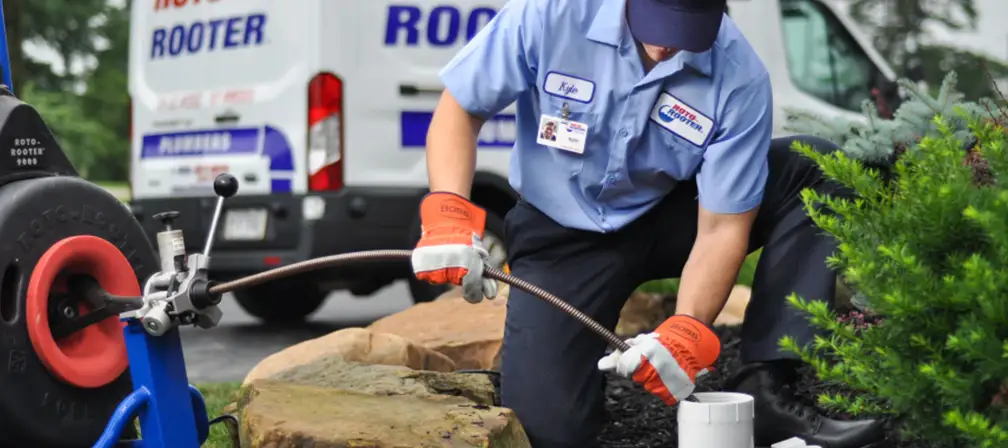
Central Saanich excavation planning should leave room for the property details that a generic answer cannot supply: access, route, affected fixtures and the condition shown on camera. If inspection finds an intact pipe with removable buildup, Central Saanich drain cleaning avoids an unnecessary opening. The Central Saanich plumbing page provides broader local context.
An excavation decision in Central Saanich begins with access, utility information and the line condition shown on site. Excavation is not guesswork with a shovel. It is a planned way to reach a buried line after inspection indicates that access is needed.
The organizing question is the property type and the line condition. A house line may serve a limited number of fixtures; a commercial line can require coordination around a larger operation. In both settings, Roto-Rooter starts by separating an obstruction, a repairable defect and a condition that needs more investigation.
A camera can show the inside of a line, while site access, utility information and the visible symptoms shape the plan outside it. The technician explains the evidence before recommending excavation. That approach avoids claiming a depth, route or surface condition that has not been verified.
Before excavation, the visit should establish affected fixtures, available access and the visible pattern of failure. A surface symptom does not prove the buried section beneath it is the source.
Utility information and property access are planning inputs. The technician can explain what is available and what must be confirmed before soil is disturbed.
A controlled opening supports an orderly repair. It creates a defined way to expose the line, perform plumbing work and discuss restoration without promising an unverified result.
Owners should ask which section was inspected, what defect was observed and which details remain subject to site verification. Those questions keep the decision grounded.
Commercial operators can provide access windows and operational constraints. Homeowners can identify affected rooms, prior service and areas needing special care.
Excavation is one part of the repair decision. Inspection, access, plumbing work and restoration scope should be explained separately so each stage is understood.
Roto-Rooter technicians can explain why access is recommended and what alternatives were considered. The aim is a clear service decision, not a predetermined digging method.
The exposed line can confirm or refine the earlier diagnosis. If site findings differ, the team should explain the change before expanding the work area.
Good records matter after repair. Notes about the accessed section and completed work give a future technician a reliable starting point if another symptom develops.
Weather may influence scheduling, but the line condition and safe site access control the repair plan. Provincial context does not replace property-level verification.
A residential visit may center on restoring household fixtures. A commercial project may need coordination around customers, staff and building operations. Both require a scope based on the observed defect.
An on-site estimate connects the proposed work to the actual access and repair condition. It is more useful than a remote assumption about buried plumbing.
The first conversation should identify the service boundary. Excavation reaches a buried line; it does not automatically include every surface repair, landscape change or unrelated plumbing concern. A clear boundary lets the owner understand what is being evaluated.
The technician can review the reason for the recommendation and describe how the proposed access relates to the observed defect. If the camera cannot reach a section, that limitation should be stated rather than filled with an assumption.
Careful preparation also protects the property decision. The owner can ask how access will be established, which fixtures may be affected while work is underway and what information will be provided when the repair is complete.
A commercial property may need a sequence that keeps essential operations moving. A home may need a sequence that limits disruption to household use. These are coordination questions, not facts to assume about a specific building.
The approved Central Saanich grounding remains at province scope. Mild wet winters and dry summers on the BC south coast provide context for general planning, while the site visit controls claims about the buried line.
When the work is complete, the owner should receive a plain explanation of the repair area and the condition found. That record can help distinguish a later plumbing symptom from the original defect.
Roto-Rooter can discuss the next step after the inspection, including whether excavation is warranted and what scope an on-site estimate covers. Calling early is useful when symptoms point to a buried problem, but the service recommendation remains evidence-led.
Operated as an Independent Contractor - All available services, hours of operations, pricing structure, and guarantees may vary by location
What rules an excavation plan out
Excavation is not automatically the answer to a slow drain. A cleanable obstruction may need drain service, while a camera finding may support a repair with less access. A collapsed section, separated connection or unreachable defect can make excavation appropriate, but the line and site must establish that conclusion.
Conditions on the south coast of British Columbia run to mild wet winters and dry summers, and they shape when opening ground is practical. What any of it means for one specific line is established by the inspection, and every recommendation stays tied to what the technician can verify at the property.
Why excavation intervals differ by use
A home and a commercial property place different demands on buried plumbing. Occupancy, fixtures, discharge patterns and access arrangements influence how a problem is noticed and how work is coordinated. A commercial operator may need planning around operations, while a homeowner may focus on protecting living space and restoring everyday use. The appropriate schedule follows the specific repair, not a fixed promise.
Clear records help future service. Keep the camera findings, the repaired section and any access notes supplied after the work. If symptoms return, those records give the next technician a useful starting point without assuming the cause.
Request an excavation assessment in Central Saanich
When buried plumbing needs a closer look in Central Saanich, contact Roto-Rooter for an inspection and an on-site estimate before work begins. Call 250-382-4900 or request service online.
Before excavation, the visit should establish affected fixtures, available access and the visible pattern of failure. A surface symptom does not prove the buried section beneath it is the source.
Utility information and property access are planning inputs. The technician can explain what is available and what must be confirmed before soil is disturbed.
A controlled opening supports an orderly repair. It creates a defined way to expose the line, perform plumbing work and discuss restoration without promising an unverified result.
Owners should ask which section was inspected, what defect was observed and which details remain subject to site verification. Those questions keep the decision grounded.
Commercial operators can provide access windows and operational constraints. Homeowners can identify affected rooms, prior service and areas needing special care.
Excavation is one part of the repair decision. Inspection, access, plumbing work and restoration scope should be explained separately so each stage is understood.
Roto-Rooter technicians can explain why access is recommended and what alternatives were considered. The aim is a clear service decision, not a predetermined digging method.
The exposed line can confirm or refine the earlier diagnosis. If site findings differ, the team should explain the change before expanding the work area.
Good records matter after repair. Notes about the accessed section and completed work give a future technician a reliable starting point if another symptom develops.
Weather may influence scheduling, but the line condition and safe site access control the repair plan. Provincial context does not replace property-level verification.
A residential visit may center on restoring household fixtures. A commercial project may need coordination around customers, staff and building operations. Both require a scope based on the observed defect.
An on-site estimate connects the proposed work to the actual access and repair condition. It is more useful than a remote assumption about buried plumbing.
The first conversation should identify the service boundary. Excavation reaches a buried line; it does not automatically include every surface repair, landscape change or unrelated plumbing concern. A clear boundary lets the owner understand what is being evaluated.
The technician can review the reason for the recommendation and describe how the proposed access relates to the observed defect. If the camera cannot reach a section, that limitation should be stated rather than filled with an assumption.
Careful preparation also protects the property decision. The owner can ask how access will be established, which fixtures may be affected while work is underway and what information will be provided when the repair is complete.
A commercial property may need a sequence that keeps essential operations moving. A home may need a sequence that limits disruption to household use. These are coordination questions, not facts to assume about a specific building.
The approved Central Saanich grounding remains at province scope. Mild wet winters and dry summers on the BC south coast provide context for general planning, while the site visit controls claims about the buried line.
When the work is complete, the owner should receive a plain explanation of the repair area and the condition found. That record can help distinguish a later plumbing symptom from the original defect.
Roto-Rooter can discuss the next step after the inspection, including whether excavation is warranted and what scope an on-site estimate covers. Calling early is useful when symptoms point to a buried problem, but the service recommendation remains evidence-led.
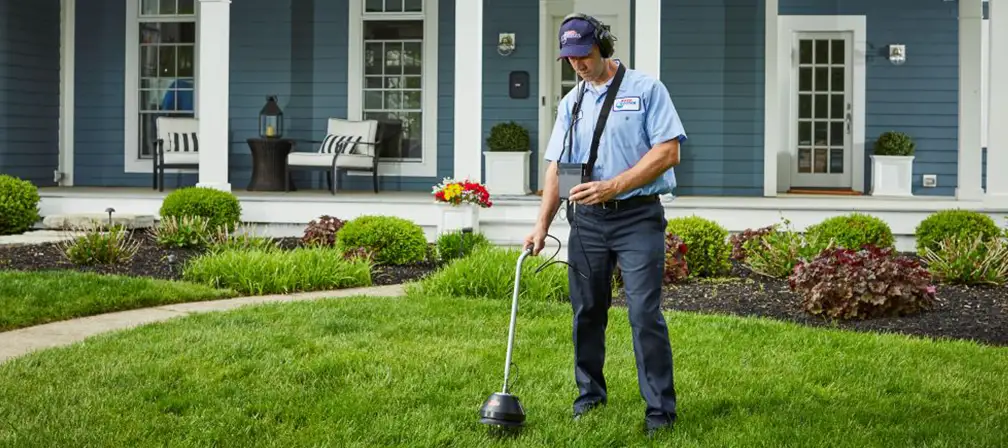
Residential excavation triggers
Commercial access and provincial conditions

SPECIAL FINANCING AVAILABLE
We have partnered with Synchrony Bank to offer financing options to make your plumbing repair expenses as convenient and stress-free as possible.