Drain Cleaning in Milwaukee, WI
How Milwaukee's Glacial Clay and Harsh Winters Punish Your Drains
Milwaukee sits on glacial till deposited roughly 15,000 years ago - dense, silty clay that swells when saturated by spring snowmelt and contracts through dry summer stretches, shifting underground drain lines inch by inch. Add Wisconsin's 48-inch frost line depth, and buried pipes endure punishing freeze-thaw cycles every winter that crack joints, separate connections, and open pathways for tree roots.
For homeowners in Bay View, Riverwest, and Washington Heights - neighborhoods where Craftsman bungalows and early 1900s duplexes still run on original cast iron and clay tile drain lines - slow drains and sewer backups are a predictable consequence of the local geology and climate.
Roto-Rooter's experienced plumbing technicians use professional-grade equipment to clear blockages and identify the root cause so the same problem does not return.
Call 414-541-4477 or schedule service online.
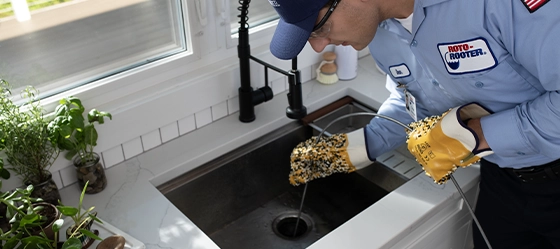
What Causes Drain Problems in Milwaukee Homes
Many homes built before the 1970s still rely on clay tile or cast iron pipes that deteriorate under decades of ground movement and mineral exposure.
- Tree root intrusion: Roots penetrate cracks in aging clay pipes seeking moisture. Bay View, Riverwest, Wauwatosa, and Shorewood see aggressive root infiltration that worsens each growing season.
- Grease and mineral scale buildup: Lake Michigan water registers 8 to 12 grains per gallon of hardness. Calcium and magnesium deposit scale inside drain pipes, narrowing the diameter where grease accumulates.
- Freeze-thaw pipe damage: Wisconsin's frost line reaches 48 inches deep. Older clay tile joints crack and shift as the ground freezes and thaws each winter, creating offset joints that trap debris.
- Pipe belly and sag: Glacial clay movement creates low spots in underground drain runs where waste collects, becoming chronic clog points.
- Collapsed or deteriorated pipes: Cast iron corrodes from the inside out over decades. Clay tile joints crumble under repeated frost pressure. Homes in the Historic Third Ward and East Side often still have original drain materials.
- Basement floor drain backups: Milwaukee's high water table and spring snowmelt push groundwater against foundation walls, making basement flooding one of the most common drain emergencies in Milwaukee County.
Call 414-541-4477 or book online for a professional assessment.
Milwaukee Neighborhoods Served by Roto-Rooter Drain Cleaning
Our drain cleaning technicians respond across Milwaukee County with fully equipped service vehicles.
- Bay View and Walker's Point: Victorian homes and Craftsman bungalows with original clay tile sewer laterals. Root intrusion and mineral scale buildup drive most drain calls here.
- Riverwest and the East Side: Dense early 1900s housing stock with converted duplexes. Shared drain lines and aging cast iron stacks make these areas prone to recurring clogs.
- Washington Heights and Sherman Park: 1920s Arts and Crafts bungalows with plumbing systems approaching a full century of service. Freeze-thaw damage to shallow lateral connections is common on the west side.
- Historic Third Ward and Downtown: Commercial and mixed-use buildings with high-volume drain demands, including restaurants, office buildings, and retail spaces.
- Extended coverage: Wauwatosa, Shorewood, West Allis, Greenfield, Cudahy, Oak Creek, South Milwaukee, Brown Deer, Greendale, and surrounding communities.
What to Do During a Drain Emergency in Milwaukee
A backed-up drain can escalate quickly during a spring thaw or heavy rainstorm. These steps help minimize damage before a technician arrives.
- Stop using water: Turn off faucets, dishwashers, and washing machines to prevent the backup from spreading further.
- Check other fixtures: If multiple drains back up at once, the blockage is likely in the main sewer line or lateral.
- Locate the cleanout: Most homes have a cleanout access point in the basement or yard - a white PVC or cast iron cap near the foundation. Opening it can relieve pressure.
- Protect basement contents: Move valuables and electronics off the basement floor if water is rising through floor drains.
- Call 414-541-4477: Roto-Rooter responds 24/7, 365 days a year across Milwaukee County with fully equipped service vehicles ready to clear the blockage on the first visit.
Operated as an Independent Franchise - All available services, hours of operations, pricing structure, and guarantees may vary by location
Serving the entire Milwaukee metro area, Including:
Counties in the Milwaukee Metro Area
Protecting Milwaukee Basement Drains From Seasonal Flooding
Basement drain backups rank among the most urgent calls Roto-Rooter handles in Milwaukee. Clay soil holds moisture against foundations, and spring snowmelt raises the water table across low-lying neighborhoods near the Milwaukee, Menomonee, and Kinnickinnic river corridors.
- Combined sewer overflow areas: Parts of Milwaukee still use combined storm and sanitary sewers. Heavy rainfall or rapid snowmelt overwhelms these systems and pushes sewage back through basement drains.
- Aging sewer laterals: The pipe connecting your home to the city main is your responsibility. Many laterals are original clay tile weakened by root intrusion and joint failures.
- High water table zones: Neighborhoods along the river corridors and near Lake Michigan experience elevated groundwater pressure that stresses basement drain seals.
What to Expect During Drain Cleaning Service in Milwaukee
- Diagnosis first: The technician inspects affected drains and determines the most likely cause based on your home's age, pipe material, and local conditions.
- Camera inspection: A fiber-optic camera reveals the exact location and nature of the blockage. You can watch the live feed.
- Professional cleaning: The technician selects the right tool - cable machine for root masses, hydro jetting for grease and scale, or a combination approach.
- Verification: A second camera pass confirms the blockage is fully cleared and the pipe is in good shape.
- Recommendations: If the camera reveals deterioration or structural damage, the technician provides repair or replacement options.
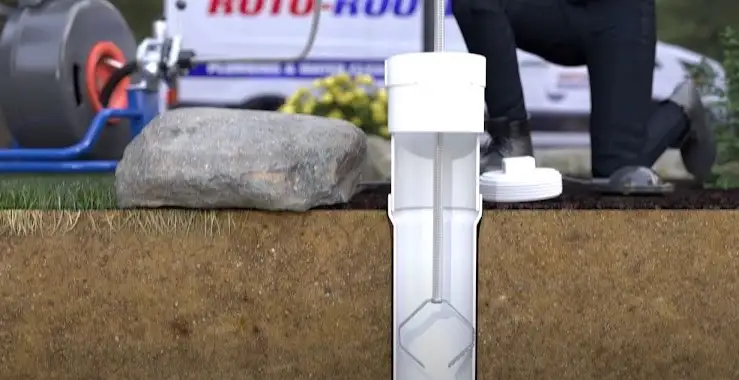
Same-Day Drain Cleaning in Milwaukee
Frequently Asked Questions
Will hydro jetting damage my older pipes?
Technicians adjust water pressure based on pipe material and condition. For older clay tile or cast iron pipes, lower pressure settings effectively remove buildup without risking damage. A camera inspection before jetting confirms the pipe can handle the process.
Does Roto-Rooter handle commercial drain cleaning in Milwaukee?
Roto-Rooter provides commercial drain cleaning for restaurants, office buildings, and industrial facilities across the Milwaukee metro area. Commercial equipment handles lines up to 10 inches in diameter.
Why does my basement floor drain keep backing up?
Basement backups typically result from root intrusion in the sewer lateral, pipe bellies caused by clay soil movement, or overwhelmed combined sewers. A camera inspection identifies the blockage point and determines if clearing, repair, or a backwater valve is needed.
What causes recurring drain clogs in Milwaukee homes?
Tree root intrusion is the leading cause. Milwaukee's glacial clay cracks and shifts around drain pipes, and roots grow into those gaps. Mineral scale and pipe deterioration from freeze-thaw cycles also contribute. A camera inspection identifies the specific cause.
How often should Milwaukee homeowners schedule drain cleaning?
Annual drain cleaning is recommended for most Milwaukee homes, especially those with mature trees near sewer lines or pre-1970 homes with original clay tile or cast iron pipes. Properties with recurring clogs or basement drain issues may benefit more frequently.
Can frozen ground cause drain problems in Milwaukee?
Yes. Wisconsin's frost line reaches 48 inches deep. When the ground freezes, clay soil contracts and shifts pipe joints out of alignment. Shallow lateral connections crack under repeated freeze-thaw pressure, creating entry points for roots and debris.
How do I know if my drain needs professional cleaning?
If water drains slowly in multiple fixtures, you hear gurgling when toilets flush, or you notice sewage odors near floor drains, the blockage is deeper than chemical drain cleaners can reach. Chemical products can also damage older clay tile and cast iron pipes common in Milwaukee homes. Call 414-541-4477 for a professional assessment.
SPECIAL FINANCING AVAILABLE
We have partnered with Synchrony Bank to offer financing options to make your plumbing repair expenses as convenient and stress-free as possible.