Roto-Rooter® Septic Tank & Cesspool Treatment
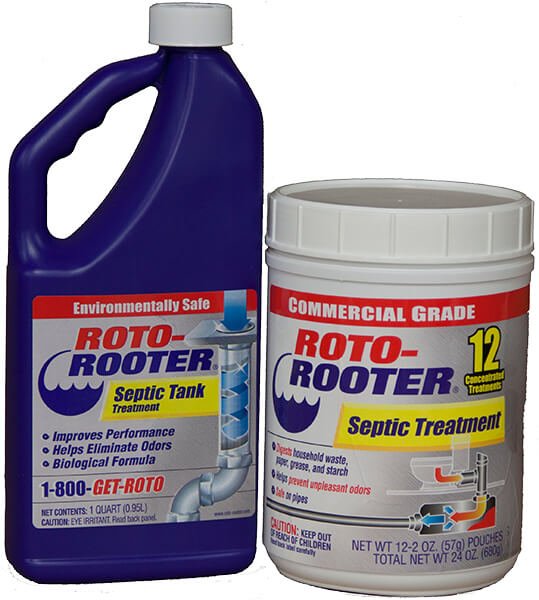
Online purchase is not available.
Contact your local Roto-Rooter to purchase this product.
Call 800-768-6911
How a Septic System Works
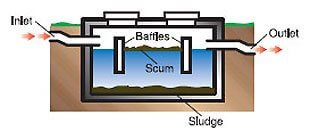
In a typical septic system, household wastes – including water from kitchen and bathroom drains, and toilets – flow to a watertight septic tank, where they are broken down by natural bacterial processes so they can percolate into the subsoil surrounding a drainage field.
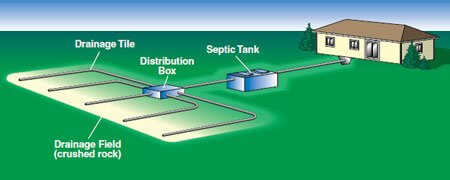
Inside the tank, the majority of the waste decomposes into sewage water. Heavier solids settle to the bottom and accumulate as sludge. Other lighter particles – including grease and oil – rise to the surface and form a scum. The decomposed sewage water then flows from the tank, through a distribution box and into a drainage field – a series of perforated pipes laid below ground in a bed of gravel. The liquid leaches out through the gravel and is further purified as it percolates through the soil. The more complete the decomposition of household waste, the more efficiently and trouble free a septic system functions.
When a septic system is overloaded or not properly maintained, the bacterial decomposition can slow or stop, causing untreated liquid and solid wastes to overflow into the soil. Excessive use of bleaches, disinfectants and caustic or acid drain cleaners also deters the bacterial action of the system, and greases and solids can build up until they choke the system and block the flow of the liquid into the soil. When this happens, the drainage field may have to be dug up and replaced – a costly undertaking.
How to Prevent Problems in Your Septic System
- Have your septic system checked – and the accumulated sludge pumped – every two or three years.
- Add Roto-Rooter® Septic Treatment to your septic system to maintain a healthy, free-flowing system. For normal system maintenance, pour 32 ounces (one quart) of the liquid product directly into a toilet bowl and flush. To ensure peak system performance, repeat this procedure every four to six months, as well as each time your tank is pumped. If you are using the powder product for normal system maintenance, place one pouch monthly into a toilet bowl and flush. For best results, do not add disinfectants, laundry bleaches, or caustic or acid drain cleaners to the system for several days following treatment.
- If problems persist, contact your local Roto-Rooter company to check the condition of your septic system. Severely clogged or damaged drainage fields may have to be dug up and replaced.
Download SDS Sheet - Liquid (PDF)
Download SDS Sheet - Powder (PDF)
Download SDS Sheet - Spanish (PDF)
Download SDS Sheet - Powder - Spanish (PDF)
Download SDS Sheet - French (PDF)
Download SDS Sheet - Powder - French (PDF)
Online purchase is not available.
Contact your local Roto-Rooter to purchase this product.
Call 800-768-6911